
Mon - Sat : 9am to 7pm Sunday is CLOSED


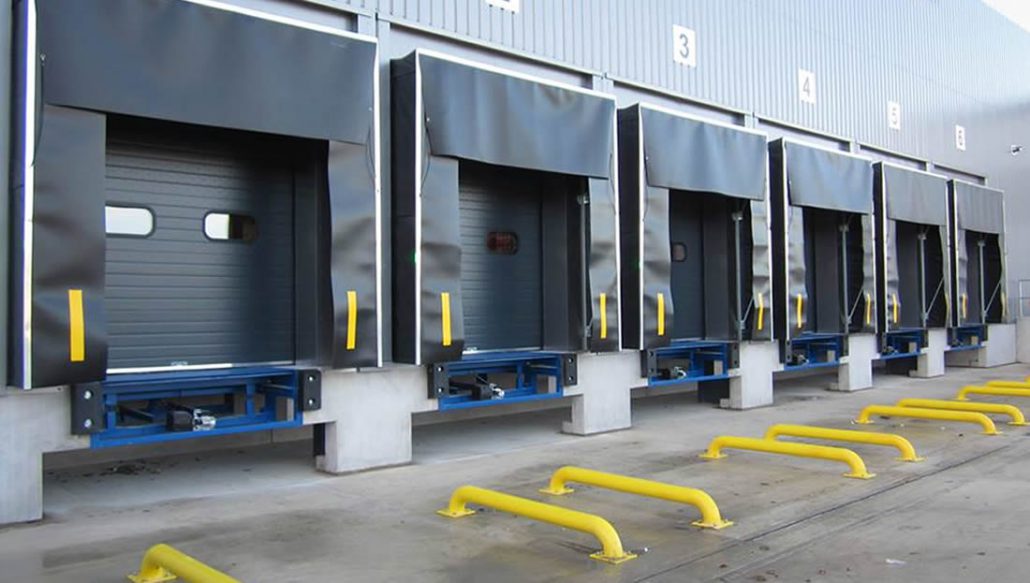
When it comes to maintaining a well-functioning and efficient facility, protecting your loading dock is often an overlooked priority. Weather conditions, from intense heat to frigid cold, can wreak havoc on your operations, compromise energy efficiency, and even threaten product integrity. Dock door weather seals can ensure smooth operations and safeguard your bottom line. In this guide, we’ll explore everything you need about dock weather seals, from their benefits to practical tips on choosing the right solution for your facility.
Contents
- 1 What Are Dock Weather Seals?
- 2 Types of Loading Dock Weather Seals
- 3 Key Benefits of Loading Dock Weather Seals
- 4 Choosing the Right Dock Weather Seal
- 5 Case Studies: Real-World Applications
- 6 Frequently Asked Questions
- 6.1 How do dock shelter and dock weather seals differ?
- 6.2 Can dock door seals fit all loading dock doors and door openings?
- 6.3 What components are included in a typical dock seal and shelter system?
- 6.4 How do dock levelers and weather seals work together to provide a tight seal?
- 6.5 Are foam pad and brush seal options effective for harsh weather conditions?
- 6.6 How do I maintain dock seals and dock shelters to extend their life?
- 6.7 Will dock door seals help with energy savings and pest control?
- 6.8 What should I consider when selecting seals and shelters for nonstandard trailers?
- 6.9 Can metal hoods, garage door style headers, or galvanized components improve durability?
- 7 Reference Sources: Selecting Dock Seals and Shelters
What Are Dock Weather Seals?
Definition and Purpose
Dock weather seals are protective barriers installed at dock openings to prevent external elements such as rain, wind, dust, and extreme temperatures from entering a facility. These seals are typically made of durable, weather-resistant materials, creating a tight seal between the dock door and the vehicles or equipment in use. Their primary purpose is to maintain a controlled indoor environment, protect goods and equipment, and enhance energy efficiency by reducing heating and cooling loss.
Types of Loading Dock Weather Seals
Loading dock weather seals are key facilities connecting warehouses and transport vehicles. Their main functions include sealing gaps, blocking wind and rain, insulating heat, and preventing pests—thus ensuring operational safety, improving energy efficiency, and enhancing the working environment.
Foam/Sponge Dock Seals
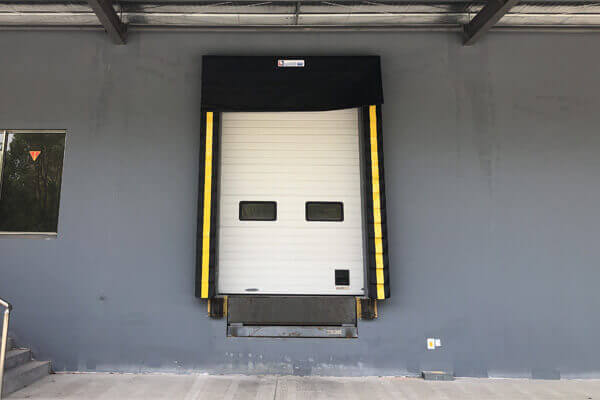
This is the most common and economical basic-type dock seal.
Working Principle: Composed of a high-density closed-cell foam core (covered with wear-resistant industrial fabric), it is directly fixed around the door frame of the loading dock. When a truck reverses and presses against the dock, the vehicle body compresses the foam pads to form a physical seal.
Core Features:
- Advantages: Simple structure, easy installation, lowest initial cost, suitable for standardized vehicle models.
- Disadvantages: Sealing effect depends on truck size (oversized, extra-wide, or uneven vehicle bodies may cause poor sealing); foam may experience fatigue, deformation, or permanent indentation after long-term compression, resulting in relatively low durability.
Recommended Application Sites:
- Small and medium-sized warehouses with limited budgets and non-extreme sealing requirements.
- Logistics centers with relatively uniform vehicle models and little variation in size.
- Areas with mild climate conditions and no extreme wind or snow.
Mechanical Dock Shelters
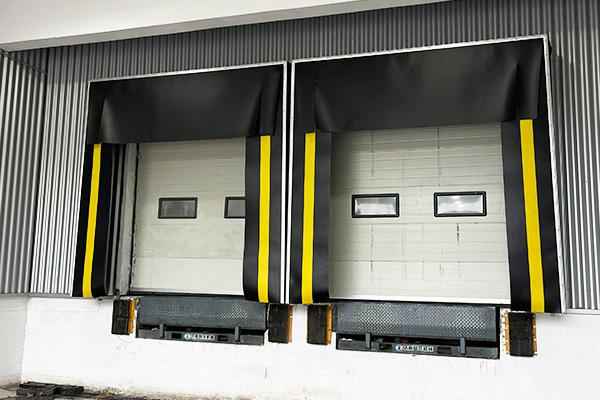
Also known as loading dock enclosures, they create a more complete transition channel.
Working Principle: Made of tough waterproof canvas or polymer materials, they form a curtain structure on the top and sides. The curtains extend from above and on both sides of the door frame to enclose the rear of the truck, forming a protective channel.
Core Features:
- Advantages: Highly adaptable to vehicle sizes (especially height and width); more effective at resisting wind, rain, and dust; generally more durable than foam-type seals.
- Disadvantages: Higher cost compared to foam-type seals; due to “enclosure” rather than “compression” design, air flow may still occur inside during extreme windy weather.
Recommended Application Sites:
- Comprehensive distribution centers or wholesale markets with diverse vehicle sizes (e.g., both box trucks and semi-trailers).
- Areas with heavy rain, sandstorms, or poor climate conditions.
- Loading/unloading bays with high operation frequency.
Inflatable Dock Seals
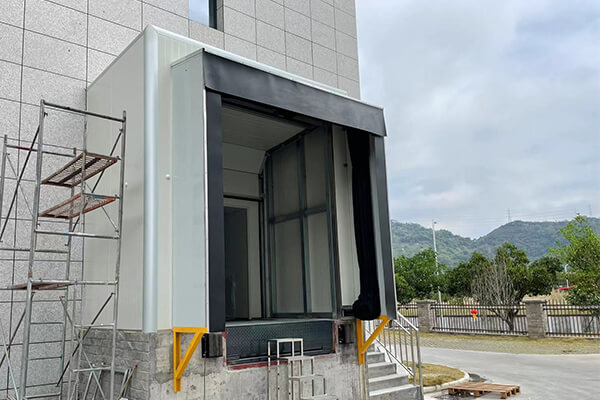
Represent a high-performance, high-sealing-level solution.
Working Principle: Consist of built-in airtight airbags and an outer wear-resistant layer. After the vehicle is in place, the airbags are automatically inflated via a control system—expanding to fit tightly against the truck’s contour and forming a 360-degree seamless customized seal.
Core Features:
- Advantages: Best sealing performance, almost completely isolating external air, moisture, and pests; perfectly adapts to irregular vehicle body surfaces; highest energy-saving efficiency; only inflates during loading/unloading, resulting in low wear and long service life.
- Disadvantages: Highest initial investment and maintenance costs; requires power drive and air supply; relatively complex system.
Recommended Application Sites:
- Locations with strict temperature and humidity control requirements, such as cold chain logistics centers, food, pharmaceutical, and precision electronics warehouses.
- Enterprises with high energy costs and extreme energy-saving demands.
- Areas with extremely cold or hot climates.
- High-end logistics facilities for loading/unloading high-value or environment-sensitive goods.
| Feature | Foam/Sponge Type | Mechanical Type | Inflatable Type |
| Sealing Principle | Physical compression | Curtain enclosure | Airbag inflation & fitting |
| Initial Cost | Low | Medium | High |
| Sealing Effect | Average (depends on vehicle model) | Good | Excellent |
| Vehicle Adaptability | Poor | Excellent | Good |
| Energy-Saving Efficiency | Average | Good | Excellent |
| Durability | Medium | Medium-High | High |
| Recommended Scenarios | Limited budget, uniform vehicle models | Diverse vehicle models, high-frequency operations | Strict temperature control, high energy efficiency requirements |
Key Benefits of Loading Dock Weather Seals
Energy Efficiency and Cost Savings
Dock weather seals play a crucial role in improving energy efficiency and reducing operating costs by minimizing air infiltration and maintaining consistent indoor temperatures.
- Energy-Saving: During loading and unloading operations, factory doors remain open, leading to significant loss of indoor heating or cooling. A loading dock shelter creates an airtight space between the vehicle and the building, effectively blocking up to 80%-90% of energy leakage.
- Reduce HVAC Load: By stabilizing the temperature in the loading/unloading area, loading dock shelters reduce the workload on the factory’s central air conditioning or heating systems, significantly lowering electricity.
Optimize Operational Efficiency
Loading dock shelters ensure the logistics process can operate around the clock, serving as a key driver for enhanced operational efficiency.
- All-Weather Operations:Regardless of wind, rain, snow, or high temperatures, loading dock shelters ensure loading and unloading operations are not significantly affected. They avoid work stoppages or delays caused by adverse weather, maintaining a stable supply chain rhythm.
- Protect Cargo:They prevent transported goods (especially carton-packaged items) from getting wet and damaged during loading/unloading, reducing cargo loss and customer complaints. This directly cuts down on the time and costs associated with handling damaged goods, further streamlining operations.
- Accelerate Vehicle Turnaround: By providing a more comfortable and efficient working environment for drivers and loaders, loading dock shelters indirectly speed up loading/unloading processes. Faster operations lead to higher dock throughput, significantly improving vehicle turnaround time and maximizing logistics resources.
Weather Protection for Loading Docks
- Block Dust, Moisture, and Pests: They effectively prevent external dust, rain, snow, moisture, pests, and birds from entering the facility. This is crucial for factories with strict requirements on cleanliness and humidity, such as food processing plants, pharmaceutical facilities, precision electronics manufacturers, textile mills, and high-end manufacturing plants.
- Stabilize Temperature and Humidity: For raw material or finished product warehouses with constant temperature and humidity (e.g. chemical storage, storage, and food storage), loading dock shelters are essential facilities to maintain standard storage conditions. They prevent materials from getting damp, deteriorating, or developing condensation.
Choosing the Right Dock Weather Seal
Factors to Consider
When selecting the right warehouse dock shelters, several critical factors must be evaluated to ensure optimal performance and efficiency for your facility:
- Material Durability and Resistance
The material of the dock seal should be robust enough to withstand frequent loading and unloading operations. High-quality materials such as vinyl, neoprene, or hypalon are known for their durability, resistance to wear and tear, and ability to perform well in harsh conditions. - Seal Compression Efficiency
A well-engineered dock seal should compress effectively around the trailer, minimizing gaps and preventing air exchange. Research highlights that gaps in poorly-sealed dock areas can lead to 30% increase in energy costs annually for warehouses relying on climate-controlled environments. - Compatibility with Dock Designs
The dock door size and type influence the selection of appropriate seals. Inflatable dock seals, for instance, work best with irregularly sized or high-traffic dock doors, adapting seamlessly to various trailer shapes and sizes. - Energy Efficiency and Cost Savings
With growing adoption of energy-efficient practices, updating dock seals can yield significant operational savings. According to the Department of Energy, using modern dock seals that ensure a tight weather barrier can reduce energy losses by up to 40%, contributing to lower utility bills and improved climate control within the facility. - Weather and Moisture Resistance
Facilities situated in areas with extreme rainfall or snow require dock seals that offer superior weatherproofing. High-performance seals can mitigate risks of water ingress, which can lead to material damage or increased humidity levels inside the facility. - Maintenance and Longevity
Choose dock seals that require minimal maintenance but can endure prolonged use. A regular maintenance schedule can enhance the lifespan of seals by addressing wear points before they develop into major issues. Selecting a seal with an extended warranty period is an added benefit that ensures long-term performance.
Comparison of Dock Seal Materials
When selecting dock seal materials, it is crucial to consider their durability, flexibility, and resistance to environmental factors. Below is a comparison of the most commonly used dock seal materials based on recent data:
- Vinyl
- Durability: Medium. Vinyl dock seals are resistant to moisture and moderate wear and tear but may not withstand heavy-duty operations over time.
- Flexibility: High. Vinyl is lightweight and adaptable, making it easy to install and use in varying environments.
- Environmental Resistance: Good resistance to water and UV rays. However, exposure to extreme temperatures can cause cracking or stiffness over time.
- Cost: Economical, making it a popular choice for low to medium traffic facilities.
- Neoprene
- Durability: High. Neoprene offers long-term resilience against wear and tear, making it suitable for facilities with high traffic.
- Flexibility: Moderate to High. It provides a good balance between rigidity and adaptability.
- Environmental Resistance: Resistant to oil, grease, and temperature fluctuations, making it ideal for industrial use.
- Cost: Moderate, offering excellent value for facilities with consistent use and demand.
- Fabric-Covered Foam
- Durability: Medium to High. Depending on the fabric used, foam-core dock seals can provide significant resilience.
- Flexibility: High. The combination of foam and fabric allows for excellent adaptability to various truck sizes and shapes.
- Environmental Resistance: Offers moderate resistance to weather and chemicals, although fabric can wear out under prolonged UV exposure.
- Cost: Affordable, commonly used in facilities where adaptability is a priority.
- Compressed Rubber
- Durability: Exceptional. Compressed rubber is one of the most robust materials used for dock seals, capable of withstanding continuous high-impact use.
- Flexibility: Low. Its rigidity makes it less adaptable to irregular shapes but increases overall stability.
- Environmental Resistance: Excellent resistance to weather, chemicals, and high-traffic demands.
- Cost: High initial cost, but it offers a long lifecycle that balances expenses over time.
Summary of Material Performance
| Material | Durability | Flexibility | Environmental Resistance | Cost |
|---|---|---|---|---|
| Vinyl | Medium | High | Good | Low |
| Hypalon (CSM) | High | Moderate | Excellent | High |
| Neoprene | High | Moderate to High | Excellent | Moderate |
| Fabric-Covered Foam | Medium to High | High | Moderate | Affordable |
| Compressed Rubber | Exceptional | Low | Excellent | High |
By understanding the characteristics of these materials, facilities can make informed decisions to optimize the performance of their dock seals. Be sure to match the material to your specific operational needs for the best results.
Case Studies: Real-World Applications
Real-world examples often provide the best evidence of how industrial equipment performs under pressure. To illustrate the impact of a high-quality warehouse dock weather seal, we look to a busy manufacturing facility in Panama. This case study highlights how the right sealing solution can transform operations.
The Challenge: High Heat and Heavy Rainfall
A large-scale electronics manufacturing plant in Panama City faced significant operational hurdles due to the local climate. Panama typically experiences high humidity, intense heat, and a rainy season that lasts several months. The facility’s loading docks were the primary weak point. The existing seals were worn and ill-fitted, leaving gaps around the docked trailers. These gaps created several critical issues:
- Energy Loss
- Water Infiltration
- Contamination Risks
The plant manager needed a solution that could withstand the tropical elements while sealing the facility tight against the outdoors.
The Solution: Implementing Loading Dock Seals
After a thorough assessment, the facility replaced its aging equipment with a heavy-duty dock weather seal system. They selected a model with high-durability fabric and a compression foam core. This design conforms tightly to the rear of the trailer, creating a nearly airtight seal.
The installation team ensured a custom fit for the truck fleet, making sure the loading dock shelter performed reliably with any vehicle type.
The Results: Efficiency and Safety Restored
The impact of the new dock weather seal installation was immediate and measurable. Within the first quarter of operation, the manufacturing plant reported the following improvements:
Reduction in Energy Costs
By effectively sealing the loading bays, the facility stopped the massive exchange of conditioned air for hot outside air. The HVAC system no longer had to work overtime to maintain the required temperature and humidity levels. The plant manager reported a 15% reduction in cooling costs within three months.
Improved Safety and Dry Floors
Even during the peak of the rainy season, the loading dock floors remained dry. The compression seal diverted rainwater away from the building opening, eliminating the slip hazards that had previously plagued the shipping department. Forklift operators could work faster and more confidently without the risk of skidding on wet concrete.
Enhanced Environmental Control
The warehouse dock shelter successfully blocked the entry of dust and pests. Quality control metrics improved as the manufacturing environment remained stable and uncontaminated. It can provide that the seals were an investment in product integrity, as well as facility maintenance.
Frequently Asked Questions
How do dock shelter and dock weather seals differ?
Dock shelters and dock weather seals both protect the loading dock opening but serve slightly different purposes: a dock shelter usually forms a compressible canopy around the trailer to create a complete seal against the sides and top, while dock weather seals (including weatherseal head curtains and side pads) focus on sealing gaps between the loading dock door and the trailer to provide a positive seal against harsh weather conditions. Many installations combine seals and shelters or use a dock seal and shelter to ensure a complete seal that helps with pest control and energy conservation.
Can dock door seals fit all loading dock doors and door openings?
Most dock door seals are designed to accommodate standard dock openings and a range of trailer sizes — some series like the fpu series dock seal accommodate larger doors while fph series dock seal—features aim at common configurations. Seal kits include head pad, side pads, retainer hardware, and sometimes foam pad or brush seal options. For nonstandard openings or oversized trailers, consult loading dock equipment suppliers for a seal kit includes custom dimensions or an alternative like a hood-style head or metal hoods to protect the head pad.
What components are included in a typical dock seal and shelter system?
A complete dock seal and shelter system often includes head and side pads, a head curtain or hood-style head, foam pad or fabric hood-style features, wear pleats, and mounting hardware such as retainers. Some systems also integrate brush seals or dock leveler weather seal attachments to seal around the dock leveler and form a seal across the top and sides of the trailer. Quality systems use polyester or galvanized components to resist wear and galvani ze corrosion in harsh weather conditions.
How do dock levelers and weather seals work together to provide a tight seal?
Dock levelers bridge the gap between the warehouse floor and the trailer floor, and when combined with seals and dock shelters they help provide a tight, continuous seal. Side pads provide a tight fit along the trailer sides while a head pad or head curtain seals across the top; this arrangement prevents drafts, water, and pests from entering the dock area. Many installations use a dock leveler brush or seal that mounts to the leveler edge so pads provide a tight seal even when the leveler is in use.
Are foam pad and brush seal options effective for harsh weather conditions?
Yes — foam pad seals and brush seal options each have advantages. Foam pad seals compress to create a positive seal around irregular trailer shapes and are common in series dock seal designs that accommodate larger doors. Brush seals work well at closing small gaps and reducing wind-driven rain and dust, often used as head or side attachments. Selecting the right material (polyester fabric hoods or durable brushes) and wear pleats improves longevity in harsh weather conditions.
How do I maintain dock seals and dock shelters to extend their life?
Regular inspection and maintenance is key: check head and side pads for wear, replace wear pleats as needed, tighten retainers and mounting hardware, and ensure the head curtain is not torn. Clean the seals to prevent debris buildup that can prevent pads from forming a seal around the sides of the trailer. For dock levelers, inspect the dock leveler weather seal and any dock leveler brush for damage and replace parts promptly. Proper maintenance helps protect your loading dock equipment and ensures a complete seal and positive seal performance.
Will dock door seals help with energy savings and pest control?
Yes — properly installed dock door seals, head curtains, and side pads that form a seal against the truck significantly reduce air infiltration, lowering heating and cooling costs. They also reduce the gap between the dock and trailer, limiting pest entry and contamination risks. Choosing seals and shelters that seal around the sides and top, and that have features like tight side pads provide a tight barrier, improves both energy efficiency and pest control.
What should I consider when selecting seals and shelters for nonstandard trailers?
Consider options that accommodate larger or unusual door openings such as the fpu series dock seal—accommodates larger doors or specialized dock shelters with adjustable head pad and side pads. Look for flexible materials, adjustable retainers, and solutions that include a head curtain or foam pad to seal irregular gaps. Discuss specific trailer types with loading dock equipment vendors so they can recommend seals designed to seal against the truck across the top and sides.
Can metal hoods, garage door style headers, or galvanized components improve durability?
Yes — metal hoods or galvanized header components offer additional protection for the head pad and fabric hood-style seals, shielding them from sun, snow, and impact damage. For facilities using a garage door or heavy-duty dock doors, a reinforced header or retainer system can secure the head curtain and prevent premature wear. Combining galvanized hardware with quality fabric or polyester seals and proper installation helps protect your dock and extends the service life of your dock weather seals and loading dock equipment.
Reference Sources: Selecting Dock Seals and Shelters
- Types of Loading Docks: Understanding the Different Types and Their Applications
- Retractable Dock Shelter: Everything You Need to Know Before You Buy (Features, Applications, Benefits)
- Dock Seals vs. Dock Shelters:Knowing the Difference and Features
 Spanish (Argentina)
  English
  Arabic
  Spanish (Mexico)
  French
  Russian
  Uzbek
Uzbek  Japanese
  Korean
  Indonesian
  Spanish (Peru)
  Spanish (Venezuela)
  Spanish (Costa Rica)
  Spanish (Ecuador)