
Mon - Sat : 9am to 7pm Sunday is CLOSED


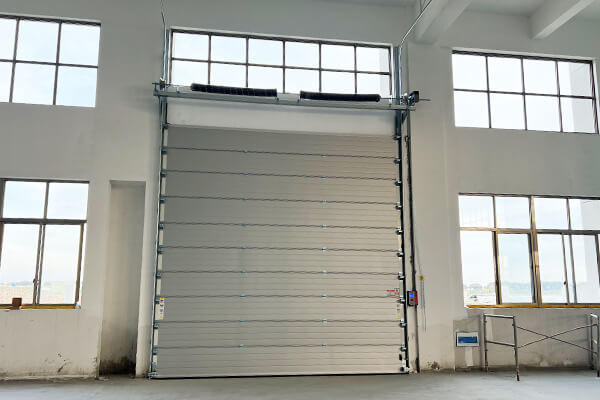
In the landscape of modern agriculture, a warehouse is far more than just a storage shed. Whether it is housing vital livestock feed, the integrity of your facility depends on one often-overlooked component: the farm warehouse door. Far from being a mere afterthought, the right door serves as the primary guardian of your livelihood, acting as the bridge between operational chaos and seamless efficiency.
From the thermal precision of sectional doors to the rugged reliability of industrial sliders, your choice directly impacts your daily workflow, crop preservation, and the long-term lifespan of your equipment.
In this ultimate guide, we will break down the essential factors you need to consider before making an investment. We’ll dive deep into why sectional overhead doors have become the gold standard for modern agricultural buildings, compare the industry’s most durable door types, selecting a solution that maximizes both security and ROI. If you are looking to fortify your farm’s infrastructure, you are in the right place.
Contents
- 1 Key Factors to Consider When Choosing Farm Warehouse Doors
- 2 Top 5 Types of Farm Warehouse Doors: Enhancing Security and Climate Control in Rural Storage
- 2.1 Sectional Doors: The Gold Standard for Insulation
- 2.2 Heavy-Duty Roll-Up Doors: Space-Saving & Robust
- 2.3 High-Speed Doors: Maximizing Logistic Efficiency
- 2.4 Industrial Sliding Doors: Built for Massive Machinery
- 2.5 Bi-Fold Doors: Maximum Clearance & Modern Aesthetics
- 2.6 Technical Comparison: 5 Types of Farm Warehouse Doors
- 3 Warehouse Sectional Doors: Enhancing Security and Climate Control in Farm Warehouse Rural Storage
- 4 Security Enhancements for Agricultural Buildings
- 5 Maintenance Tips for Farm Warehouse Doors
- 6 FAQs
- 7 Industry-grade agricultural door solutions for farm warehouse door needs
Key Factors to Consider When Choosing Farm Warehouse Doors
To select the most effective door for a farm warehouse, you must evaluate four critical factors that impact long-term performance and costs.
Durability and Weather Resistance
Agricultural buildings are often exposed to harsh environments. Your door must be rated for:
- Wind Loads: The ability to withstand high-pressure gusts without warping.
- Corrosion Resistance: High-quality steel or aluminium coatings to prevent rust caused by moisture and agricultural chemicals.
- Water Tightness: Effective seals to prevent heavy rain from entering storage areas.
Asset Security
Farm warehouses house expensive machinery and valuable harvests. Key security features include:
- Impact Resistance: Solid panels that can withstand accidental bumps from equipment.
- Locking Mechanisms: Robust, industrial-grade manual or electronic locks to deter theft.
- Sturdy Materials: Reinforced tracks and panels that prevent forced entry.
Thermal Insulation (R-Value)
If you store temperature-sensitive crops (like potatoes or grain) or livestock feed, insulation is vital.
- R-Value: This measures the thermal resistance. A higher R-value means better insulation.
- Energy Savings: Proper insulation reduces heating or cooling costs and prevents condensation, which can lead to mould and crop spoilage.
Operational Frequency
Consider how many times the door will open and close daily.
- High-Frequency Use: Requires heavy-duty springs and high-cycle motors to prevent mechanical failure.
- Low-Frequency Use: Standard components may suffice, but reliability remains essential during peak harvest seasons when downtime is not an option.
Top 5 Types of Farm Warehouse Doors: Enhancing Security and Climate Control in Rural Storage
Selecting the right door type is a balance between operational frequency, insulation requirements, and structural constraints. Below are the five industry-standard solutions optimized for modern agricultural demands.
Sectional Doors: The Gold Standard for Insulation
Sectional overhead doors are the premier choice for facilities where temperature stability is non-negotiable. Constructed with high-density sandwich panels (typically polyurethane foam between galvanized steel), these doors offer an exceptional R-value.
- Technical Edge: Tracks guide the door sections vertically, maximizing internal clearance.
- Agricultural Advantage: Ideal for seed storage or fruit and vegetable processing centers where maintaining a consistent micro-climate is essential to prevent spoilage.
- Key SEO Terms: Insulated sectional doors, sandwich panel doors, energy-efficient warehouse doors.
Heavy-Duty Roll-Up Doors: Space-Saving & Robust
For farm buildings with restricted headroom or dense storage layouts, heavy-duty roll-up doors provide a compact and durable solution.
- Technical Edge: The door curtain coils into a compact header box above the opening, leaving the ceiling clear for lighting, sprinklers, or high-stacking pallets.
- Agricultural Advantage: Best suited for tool sheds, fertilizer storage, or maintenance workshops where simplicity and space optimization are priorities.
- Key SEO Terms: Commercial roll-up doors, space-saving warehouse doors, durable steel shutters.
High-Speed Doors: Maximizing Logistic Efficiency
In high-traffic agricultural hubs, speed is synonymous with efficiency. High-speed fabric doors operate at velocities exceeding 1.0 m/s to minimize the duration of door opening.
- Technical Edge: Advanced sensors and frequency-controlled motors allow for rapid cycles and “self-repairing” functions if hit by a vehicle.
- Agricultural Advantage: When integrated with loading dock levelers, they drastically reduce air exchange during peak harvest seasons, keeping pests out and cold air in.
- Key SEO Terms: High-speed fabric doors, rapid roll doors, pest control warehouse doors.
Industrial Sliding Doors: Built for Massive Machinery
When dealing with the sheer scale of modern combines and tractors, industrial sliding doors offer a reliable, low-maintenance solution for oversized openings.
- Technical Edge: These doors slide horizontally along a bottom or top track, capable of covering massive widths without putting stress on the building’s roof structure.
- Agricultural Advantage: The first choice for machinery hangars and large-scale grain terminals where horizontal clearance is the primary requirement.
- Key SEO Terms: Heavy-duty sliding barn doors, oversized agricultural doors, machinery hangar doors.
Bi-Fold Doors: Maximum Clearance & Modern Aesthetics
Bi-fold doors (or vertical folding doors) offer a unique blend of functionality and visual appeal, often found in high-end modern agricultural estates.
- Technical Edge: The door folds upward to create a canopy, providing 100% clear opening height and some degree of weather protection during loading.
- Agricultural Advantage: Excellent for multi-purpose barns or retail-facing agricultural centers that require a professional appearance without sacrificing the ability to move large equipment.
Technical Comparison: 5 Types of Farm Warehouse Doors
| Door Type | Best Application | Insulation Level (R-Value) | Opening Speed | Durability & Maintenance | Max Opening Size |
| Sectional Overhead | Cold storage, Seed & Grain warehouses | Excellent (High) | Moderate | Medium – Requires spring checks | Large (Up to 8m wide) |
| Roll-Up Shutter | General storage, Tool sheds, Fertilizer | Low (Standard) | Standard | High – Very low maintenance | Medium |
| High-Speed Fabric | Frequent access, Pest/Dust control | Moderate | Very High (Up to 2.5m/s) | High – Self-repairing features | Medium |
| Industrial Sliding | Massive machinery hangars, Barns | Low | Slow (Manual/Electric) | Extreme – Minimal moving parts | Extra Large (Unlimited width) |
| Bi-Fold Canopy | Modern barns, High-clearance hangars | Moderate | Standard | High – Robust steel frame | Large |
Warehouse Sectional Doors: Enhancing Security and Climate Control in Farm Warehouse Rural Storage
Warehouse sectional doors have become the preferred choice for modern agricultural facilities across Europe due to their versatility and superior sealing capabilities. Unlike traditional doors, they provide a sophisticated solution tailored to the rigorous demands of rural storage.
What are Sectional Overhead Doors?
A sectional overhead door consists of several horizontal panels hinged together. When opened, the door travels vertically on tracks, curving into the ceiling space of the warehouse. This design eliminates the need for the “swing-out” space required by traditional side-hinged or one-piece doors.
Top Benefits for Agricultural Storage Use
- Space Optimization
Because the door opens vertically and rests parallel to the ceiling, it maximizes usable space. This allows farmers to park large tractors, harvesters, or trucks directly against the door, both inside and outside the building, without obstructing movement. - Superior Insulation
Modern sectional doors utilize “sandwich panels”—two layers of galvanised steel with a core of high-density Polyurethane (PU) foam. This provides excellent thermal resistance (R-value), which is crucial for maintaining stable temperatures in grain stores, potato sheds, or livestock feed areas. - Advanced Weather Sealing
Sectional doors are equipped with durable rubber seals on all four sides (top, bottom, and vertical tracks). This creates a tight perimeter that prevents the entry of:- Dust and debris: Essential for keeping machinery clean.
- Pests and rodents: Vital for protecting stored crops.
- Moisture: Preventing dampness that leads to mould and equipment rust.
- Safety and Automation
To withstand the heavy-duty nature of farming, these doors are integrated with high-torque motors and smart safety features. Sensors can detect obstructions—such as a person, animal, or vehicle—and automatically stop the door to prevent injury or damage.
Customization Options
Farm sectional doors can be tailored to meet specific operational needs:
- Vision Panels: Integrated windows allow natural light into the warehouse, reducing energy costs and improving safety during daytime operations.
- Wicket Doors (Personnel Doors): Often called “pass doors,” these are small doors built directly into the larger sectional panels. They allow staff to enter and exit without opening the main door, significantly reducing heat loss and mechanical wear.
Security Enhancements for Agricultural Buildings
In rural areas, farm warehouses are often targets for equipment and fuel theft. Upgrading your door’s security features is essential to protecting your high-value assets.
Heavy-Duty Locking Mechanisms
Standard latches are often insufficient for remote farm buildings. Professional agricultural doors should feature industrial-grade internal shoot bolts or multi-point locking systems that engage directly with the tracks, making forced entry significantly more difficult.
Impact Resistance
Accidental bumps from tractors or forklifts are common in busy warehouses. Selecting doors with reinforced bottom rails and thicker steel gauges (at least 0.5mm to 0.7mm) ensures the door remains functional and secure even after minor impacts, avoiding costly emergency repairs.
Access Control Systems
Modernise your farm security by moving beyond traditional keys.
-
- Keypads & Remotes: Allow trusted staff to enter without physical keys.
- Mobile Integration: GSM-based openers allow you to open or lock your warehouse from your smartphone—ideal for granting access to delivery drivers while you are in the fields.
Maintenance Tips for Farm Warehouse Doors
A farm warehouse is a harsh environment characterized by dust, moisture, and debris. Regular maintenance is the key to preventing operational failure, especially during the critical harvest season.
Cleaning the Tracks
Agricultural dust and grain chaff can accumulate in the door tracks, causing the rollers to jam or the motor to overheat. Use a stiff brush or compressed air to clear the tracks monthly to ensure smooth operation.
Strategic Lubrication
Dust acts as an abrasive when mixed with grease. Use a silicone-based lubricant or light lithium grease on hinges, rollers, and springs. Avoid heavy oils that attract more dust, which can lead to premature wear of the moving parts.
Spring and Cable Inspections
The springs are the important of your door. Check for signs of rust or fraying cables at least twice a year. Pre-harvest inspections are vital; a broken spring during peak season can halt your entire logistics chain. If you notice the door feels heavy or unbalanced, consult a professional immediately.
Investing in high-quality farm warehouse doors is a strategic decision that pays dividends in security, energy savings, and operational speed. While there are various options, the Sectional Door stands out as the premier choice for modern agriculture. Its combination of vertical-opening space efficiency, superior PU foam insulation, and robust security makes it the most reliable all-around performer for rural storage.
Whether you are upgrading an existing barn or designing a new state-of-the-art warehouse, prioritizing a door that offers both durability and modern automation will ensure your farm remains protected and efficient for decades to come.
Ready to secure your agricultural assets? Consult with a professional supplier to find the specific sectional door configuration that fits your warehouse dimensions and climate needs.
FAQs
Industry-grade agricultural door solutions for farm warehouse door needs
What should you expect from an industry-grade agricultural door for a farm warehouse door? You should expect durable steel doors or insulated agricultural options engineered to protect your equipment and improve farm efficiency; reputable manufacturers—often family-owned—offer high-quality, customizable door solutions with options and features like rolling steel doors, hydraulic doors, and insulated panels to meet agricultural applications and dairy requirements.
How does a tailored solution with a lift or hydraulic doors benefit barns, sheds, and machine sheds?
Tailored solutions that include engineered lift mechanisms or hydraulic doors provide smooth operation for virtually any size opening, reduce downtime in agricultural operations, and protect your investment by offering high-performance components and optional insulation to maintain temperature control in dairy and storage doors.
What specifications make steel doors built to last for agricultural use?
Look for heavy-gauge steel, corrosion-resistant coatings, reinforced frames, and tested hardware; manufacturers provide specifications and high-quality options such as non-insulated or insulated agricultural panels, post frame compatibility, and customizable sizes to ensure peace of mind and long service life.
 Spanish (Costa Rica)
  English
  Arabic
  Spanish (Mexico)
  French
  Russian
  Uzbek
Uzbek  Japanese
  Korean
  Indonesian
  Spanish (Peru)
  Spanish (Venezuela)
  Spanish (Ecuador)
  Spanish (Argentina)