
De lunes a sábado: de 9.00 a 19.00 h. Domingo: CERRADO


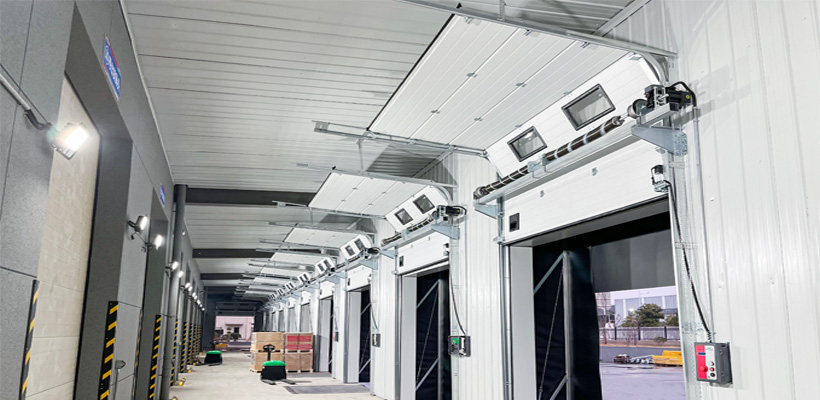
When it comes to industrial real estate, loading dock doors are more than just entry points—they are critical components of efficient operations. The right dock doors can streamline workflows, enhance safety, and protect goods during transit. Whether you’re managing a bustling warehouse or a high-volume distribution center, understanding the types, features, and benefits of loading dock doors is essential to making informed decisions for your facility. This article dives into the key factors to consider when selecting puertas de muelle industrial and explores how advanced dock equipment can elevate your operational efficiency. Get ready for insights that could transform the way your facility moves.
Contenido
- 1 Introduction to Industrial Dock Doors
- 2 Types of Industrial Dock Doors
- 3 Key Features of Industrial Dock Door Systems
- 4 Benefits of Choosing High-Quality Loading Dock Doors
- 5 Choosing the Right Dock Door for Your Business
- 6 Maintenance and Care for Dock Doors
- 7 Conclusion: Investing in the Right Dock Door Solutions
- 8 Preguntas Frecuentes (FAQs)
- 8.1 What are industrial dock doors?
- 8.2 How do loading dock doors help streamline loading operations?
- 8.3 What types of dock levelers are available?
- 8.4 What are impactable dock doors?
- 8.5 How do dock seals improve energy efficiency?
- 8.6 What are the benefits of high-speed doors in loading docks?
- 8.7 How do I choose the right loading dock door for my facility?
- 8.8 What are dock bumpers and why are they important?
- 8.9 Can cold storage doors be used at loading docks?
- 8.10 What is the role of warehouse dock doors in facility operations?
Introduction to Industrial Dock Doors
The Role of Dock Doors in Efficient Loading
Ensuring the efficiency and safety of loading and unloading operations hinges on the effectiveness of industrial dock doors. These doors are constructed for intensive use while insulating and securing the premises, and enabling smooth workflow. Overhead sectional doors, rolling steel doors and high-speed doors are common. Each type serves a specific purpose depending on the requirements of the facility. Potential customers need to analyze the construction, insulating ability, and integration of the other dock equipment to choose the most appropriate dock door. Choosing the right one enhances operational efficiency and minimizes downtime.
Importance of Dock Doors in Industrial Real Estate
Operating efficiently and effectively is one of the most vital functions of dock doors within an industrial facility. Warehouses, manufacturing plants, and distribution centers rely on dock doors for the most effective unloading and unloading of products, and thus, they are vital for the function of the supply chain. Advanced dock doors have functionality with working elements, and are constructed with energy efficiency, longevity, bolstered protection, and the safe keeping of products in mind.
Recent industry report finds nearly 60% of all warehouses in the US focus on the improvement of their dock doors if they are seeking the enhancement of their logsitics performance. For instance, high speed dock doors are reported to cut down air infiltration and decrease energy expenditures up to 75%. Also. the rolling steel doors are most commonly selected for the unmatchable strength and durability in extreme weather condition.
Also, the use of new technology at dock doors is becoming common, like automated control and safety systems. These enhancements assist in reducing accidents and improving speed in loading and unloading. For instance, automated dock doors can cut manual operation time by around 30%, boosting efficiency.
Industrial real estate owners and operators put value on their facilities by investing in modern and efficient dock doors, thus ensuring smoother daily operations. The increased value of the facility makes it more appealing to tenants. Dock doors will increasingly play a significant role in logistics optimization as demand for e-commerce and same-day delivery continues to rise, making dock doors a vital component in the industrial sector.
Safety and Energy Efficiency in Loading Dock Operations
Maintaining safety and energy efficiency at loading docks is crucial for both operational effectiveness and worker well-being. Safety measures such as installing edge guards, wheel chocks, and dock levelers help prevent accidents and ensure a secure environment for employees and equipment. Regular safety training for staff further minimizes risks and promotes a culture of awareness.
Energy efficiency is equally important in loading dock operations. Incorporating energy-efficient dock seals, shelters, and insulated doors can drastically reduce energy loss, maintaining optimal indoor temperatures and lowering utility costs. Additionally, automated lighting systems and energy-efficient LED fixtures contribute to reducing overall energy consumption. By prioritizing these safety and efficiency measures, facilities can achieve sustainable operations while fostering a safe and productive workspace.
Types of Industrial Dock Doors
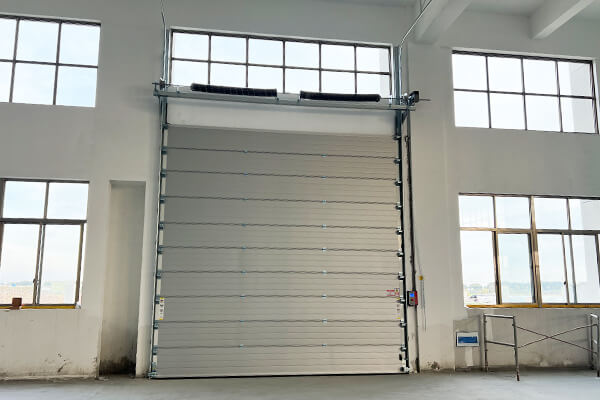
Sectional Dock Doors: Versatility and Features
Descripción
Sectional dock doors are a popular choice for industrial and commercial spaces because they are versatile, durable, and operate efficiently. Made of individual panels connected by hinges, these doors are flexible to install and use, adapting to different facility needs. They are often made from high-quality materials like galvanized steel, aluminum, and insulation to ensure long-term performance in demanding environments.
Key Features & Benefits
- Durabilidad: Made from robust materials like steel, sectional dock doors are built to withstand heavy use and environmental elements.
- Eficiencia Energética: Insulated options help maintain internal temperatures, reducing energy costs.
- Personalización: Available in various sizes, colors, and designs, including options for windows or clear panels for visibility and light.
- Ahorro de Espacio: Funcionan verticalmente, lo que los hace ideales para instalaciones con espacio limitado.
- Reparabilidad: Las secciones dañadas pueden reemplazarse individualmente, reduciendo los costos de mantenimiento.
- Seguridad: Proporciona una protección mejorada contra accesos no autorizados y contaminantes ambientales.
- Reducción de Ruido: Las puertas aisladas también pueden minimizar el ruido externo, mejorando la productividad en el lugar de trabajo.
Ideal Applications
- Almacenes y centros de distribución
- Muelles de carga
- Instalaciones automotrices
- Plantas de procesamiento de alimentos
- Almacenamiento farmacéutico
- Salas de exposición y espacios minoristas
Considerations
- Velocidad: Las puertas de muelle seccionales pueden operar más lentamente que las puertas de alta velocidad, lo que puede afectar la eficiencia en áreas de alto tráfico.
- Susceptibilidad a Daños: Aunque son duraderas, estas puertas pueden dañarse, requiriendo una operación cuidadosa en entornos concurridos.
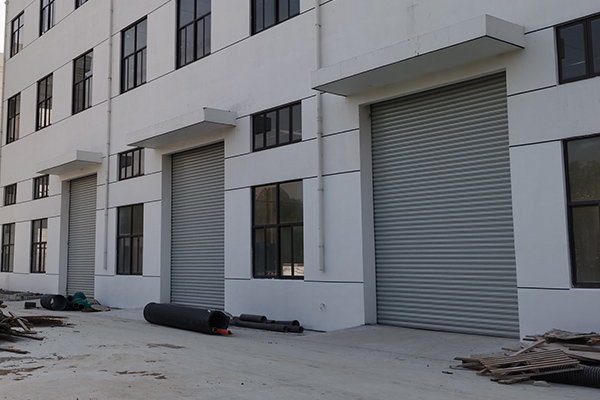
Rolling Steel Doors: Security and Space-Saving Benefits
Descripción
Las puertas enrollables de acero son puertas de enrollar fabricadas con listones de acero galvanizado entrelazados que forman una cortina continua y resistente. Estas puertas se utilizan comúnmente en aplicaciones comerciales e industriales, como almacenes, muelles de carga y centros de distribución. Están disponibles en versiones aisladas y no aisladas, ofreciendo flexibilidad para diversas necesidades.
Key Features & Benefits
- Durabilidad: Construidas con listones de acero galvanizado, estas puertas son altamente duraderas y resistentes al desgaste.
- Ahorro de Espacio: Funcionan verticalmente, liberando espacio en el techo para iluminación, sistemas HVAC y rociadores contra incendios.
- Personalización: Disponibles en varios tamaños, colores y acabados, incluyendo pintura en polvo para mayor durabilidad.
- Eficiencia Energética: Las versiones aisladas ayudan a mantener las temperaturas internas y reducen los costos de energía.
- Bajo Mantenimiento: Muchos componentes vienen preensamblados y encapsulados, minimizando la necesidad de mantenimiento regular.
- Seguridad: Ofrece alta resistencia a la intrusión y puede personalizarse con clasificaciones de resistencia al fuego y al viento.
- Reparabilidad: Los listones dañados pueden reemplazarse individualmente, reduciendo los costos de reparación.
Ideal Applications
- Almacenes y centros de distribución
- Instalaciones de fabricación
- Industria automotriz
- Procesamiento de alimentos y bebidas
- Unidades de autoalmacenamiento
- Instalaciones sanitarias
Considerations
- Velocidad: Las puertas enrollables de acero pueden operar más lentamente en comparación con las puertas de alta velocidad.
- Ruido: Pueden ser más ruidosas que otros tipos de puertas durante su operación.
- Aislamiento: Aislamiento limitado en comparación con las puertas seccionales, aunque hay versiones aisladas disponibles.
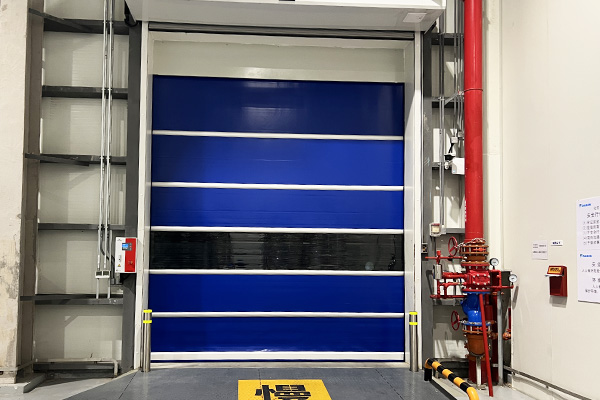
Puertas de Alta Velocidad (Enrollamiento Rápido) : Mejorando la Eficiencia en el Muelle de Carga
Descripción
Las puertas de alta velocidad (enrollamiento rápido) son puertas avanzadas de acción rápida diseñadas para uso frecuente en entornos industriales y comerciales. Normalmente están fabricadas con materiales de lona de PVC reforzado y están diseñadas para abrir y cerrar a altas velocidades (hasta 1,5 m/s). Estas puertas son ideales para mantener el control climático, mejorar la eficiencia del flujo de trabajo y reducir la pérdida de energía.
Key Features & Benefits
- Velocidad: Las velocidades rápidas de apertura y cierre minimizan el intercambio de aire, manteniendo las temperaturas internas y reduciendo los costos de energía.
- Seguridad: Equipadas con sensores infrarrojos, células fotoeléctricas y bordes inferiores suaves para prevenir lesiones y daños.
- Durabilidad: Los paneles desmontables y los mecanismos de autorreparación garantizan un tiempo de inactividad mínimo y un mantenimiento fácil.
- Eficiencia Energética: Los sellos herméticos y la operación rápida reducen la pérdida de energía, haciéndolas ideales para entornos con control climático.
- Versatilidad: Adecuadas tanto para aplicaciones interiores como exteriores, con resistencia a condiciones climáticas adversas y vientos fuertes.
- Productividad: La operación de alta velocidad reduce los retrasos en áreas de alto tráfico, mejorando la eficiencia general.
Ideal Applications
- Almacenes y centros de distribución
- Instalaciones de producción de alimentos (higiene y control de temperatura)
- Instalaciones farmacéuticas y sanitarias (higiene y zonificación)
- Cámaras frigoríficas y congeladores (regulación de temperatura)
- Centros logísticos y de transporte (control de tráfico y seguridad)
- Lavaderos de autos (control de rociado y reciclaje de agua)
Considerations
- Costo Inicial Más Alto: Las puertas de alta velocidad son más costosas inicialmente en comparación con las puertas tradicionales.
- Seguridad: Las puertas de lona ofrecen menos seguridad que las puertas de acero, aunque son suficientes para la mayoría de las aplicaciones.
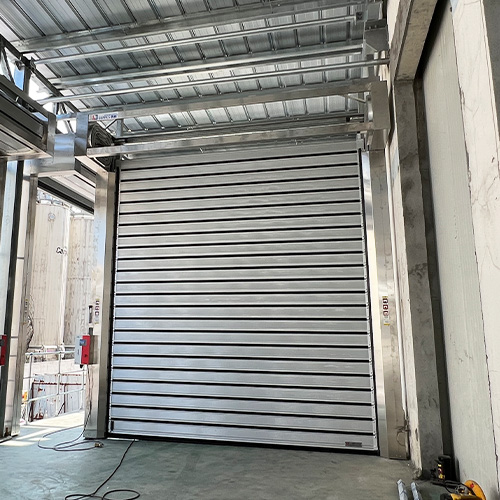
High Speed Spiral Dock Doors
Descripción
Las puertas de muelle espirales de alta velocidad son puertas avanzadas, rígidas y de alto rendimiento diseñadas para aplicaciones industriales y comerciales. Cuentan con un diseño espiral patentado que permite una operación suave, rápida y silenciosa. Construidas con materiales duraderos como listones de aluminio de doble pared, estas puertas combinan velocidad, seguridad y eficiencia energética, lo que las hace ideales para entornos de alto tráfico.
Key Features & Benefits
- Velocidad: Se abre a velocidades de hasta 60 pulgadas por segundo, reduciendo significativamente los tiempos de espera y mejorando la eficiencia del flujo de trabajo.
- Durabilidad: Fabricadas con listones de aluminio de doble pared y bisagras robustas, estas puertas están construidas para resistir el uso frecuente, las condiciones climáticas adversas y los impactos.
- Eficiencia Energética: Proporciona un excelente aislamiento térmico, reduciendo los costos de energía al mantener las temperaturas internas y prevenir el intercambio de aire.
- Seguridad: Ofrece altos niveles de seguridad con una construcción rígida, haciéndolas adecuadas para aplicaciones sensibles como instalaciones gubernamentales y concesionarios automotrices.
- Bajo Mantenimiento: Cuenta con un sistema de contrapeso y sin contacto metal-metal, lo que reduce el desgaste y prolonga la vida útil de la puerta.
- Seguridad: Equipado con sistemas de seguridad avanzados como sensores infrarrojos, cortinas de luz y liberación mecánica del freno para situaciones de emergencia.
- Personalización: Disponible con opciones como listones aislantes, ventilados o de visión, y varios colores y acabados.
Ideal Applications
- Almacenes y centros de distribución
- Concesionarios de automóviles
- Instalaciones gubernamentales e institucionales
- Garajes de estacionamiento
- Centros logísticos y de transporte
- Áreas de alta seguridad
Considerations
- Costo Inicial Más Alto: Estas puertas tienen un costo inicial más alto en comparación con las puertas tradicionales o de alta velocidad de tela.
- Instalación Compleja: Requiere instalación profesional debido a sus características y diseño avanzados.
- Flexibilidad Limitada: La construcción rígida puede no ser adecuada para todos los entornos o aplicaciones.
| Característica | Puerta de Muelle Seccional | Puerta de Acero Enrollable | Puerta de Rodillo de Alta Velocidad | Puerta Espiral de Alta Velocidad |
|---|---|---|---|---|
| Material | Acero, aluminio o paneles aislados | Listones de acero galvanizado entrelazados | Tela de PVC reforzada o materiales ligeros | Listones de aluminio de doble pared |
| Durabilidad | Moderada; puede soportar uso frecuente pero puede requerir reemplazo de paneles | Alta; resiste impactos fuertes y uso frecuente | Moderada; la tela puede ser menos duradera en entornos de alto impacto | Alta; la construcción rígida resiste impactos y condiciones adversas |
| Velocidad | Moderada; adecuada para operaciones estándar | Moderada; más lenta que las opciones de alta velocidad | Alta; se abre hasta 8 pies por segundo | Muy Alta; se abre hasta 60 pulgadas por segundo |
| Aislamiento | Alta; excelente para control de temperatura con paneles aislados | Moderada; disponibles listones aislados | Moderada; opciones de aislamiento limitadas | Alta; excelente barrera térmica con listones aislados |
| Eficiencia de Espacio | Requiere rieles superiores para su funcionamiento | Compacta; se enrolla en un tambor sobre la abertura | Compacta; requiere un espacio mínimo | Compacta; el diseño espiral ahorra espacio |
| Mantenimiento | Fácil; los paneles individuales pueden reemplazarse | Bajo; los listones pueden reemplazarse individualmente | Moderado; requiere revisiones periódicas por desgaste de la tela | Bajo; desgaste mínimo debido a la ausencia de contacto metal-metal |
| Seguridad | Moderada; disponibles marcos y cerraduras reforzados | Alta; la construcción robusta disuade el acceso no autorizado | Moderada; la tela ofrece menos seguridad que las puertas rígidas | Alta; los listones rígidos proporcionan excelente seguridad |
| Resistencia Climática | Alta; sellos herméticos y opciones de aislamiento disponibles | Alta; disponibles listones y sellos resistentes a la intemperie | Alta; los sellos herméticos reducen la infiltración de aire | Alta; los sellos climáticos y listones aislados aseguran resistencia |
| Aplicaciones | Almacenes, centros de distribución e instalaciones con control de temperatura | Muelles de alto tráfico, instalaciones industriales y áreas que requieren seguridad robusta | Producción de alimentos, instalaciones farmacéuticas y áreas de alto tráfico | Concesionarios de automóviles, instalaciones gubernamentales y áreas de alta seguridad |
| Costo | Moderado; rentable para operaciones estándar | Moderado a Alto; mayor costo inicial pero duradero | Alto; las características avanzadas y la velocidad aumentan el costo | Alto; las características premium y la construcción rígida aumentan el costo |
| Ruido | Bajo; funcionamiento más silencioso con paneles aislados | Moderate; can be noisier due to metal slats | Low; fabric reduces operational noise | Low; quiet operation due to spiral design |
Key Features of Industrial Dock Door Systems
Material Construction for Durability
Dock door systems use robust materials like galvanized steel, aluminum, or reinforced composites. These materials ensure long-term durability, resist wear and tear, and withstand harsh environmental conditions. Many designs include corrosion-resistant coatings for high-moisture or chemical-heavy environments. This durability extends door life and minimizes maintenance costs.
Safety Features to Consider
Modern safety features often integrate with security and facility management software. This centralizes control and monitoring of access points, improving security and efficiency. Automated locking, biometric scanners, and real-time access logs link directly to the management platform, providing instant updates and alerts. Integration also improves emergency coordination through remote access controls or lockdowns, ensuring safety. These technologies enhance protection and streamline daily operations, offering a robust, interconnected safety solution.
Weather Resistance and Dock Seals
Dock seals are critical components for maintaining weather resistance in loading and unloading areas, ensuring protection from external elements like rain, snow, and wind. Designed with durable and flexible materials, dock seals form a tight barrier between the vehicle and the dock opening, preventing temperature fluctuations and preserving energy efficiency. According to recent data and insights from Google’s search engine, advanced dock seal designs now incorporate high-performance materials resistant to wear and tear, further enhancing their ability to withstand harsh environmental conditions. These innovations minimize maintenance needs and improve operational productivity by reducing downtime caused by weather-related disruptions.
Benefits of Choosing High-Quality Loading Dock Doors
Enhanced Safety for Personnel and Goods
High-quality loading dock doors play a crucial role in ensuring the safety of both personnel and goods during operations. According to the latest data from Google’s search engine, innovative dock door designs now incorporate reinforced materials and advanced security mechanisms to prevent accidents, such as slips, falls, or impact injuries. Features like automatic locking systems, weather-resistant seals, and smooth operation minimize risk and create a safer working environment. Additionally, these doors reduce the likelihood of damage to goods during loading and unloading by providing a stable and well-secured interface, protecting products from environmental exposure or handling errors. Investing in these advanced designs not only safeguards workers but also reduces costly losses due to damaged inventory.
Operational Efficiency and Reduced Downtime
Modern industrial doors, designed with advanced technology and materials, significantly contribute to operational efficiency and reduced downtime. According to recent data from Google’s search engine, businesses prioritizing high-performance door systems experience smoother workflows and quicker access during operations. Features such as rapid opening and closing mechanisms, automated controls, and integrated diagnostics enhance productivity while minimizing delays. These doors are also easy to maintain, reducing the frequency and length of repair-related halts, thereby ensuring continuous operations. By incorporating these solutions, companies can streamline their processes, cut costs associated with downtime, and maintain a competitive edge in their industries.
Energy Savings Through Better Insulation
Effective insulation not only optimizes energy usage but also reduces unnecessary costs, creating both environmental and financial benefits for businesses and households alike. According to recent data, poorly insulated buildings can lose up to 30% of their heating or cooling energy, leading to higher energy consumption and increased utility bills. High-performance insulation materials, such as spray foam, fiberglass, or rigid foam boards, serve to mitigate these losses by maintaining consistent indoor temperatures.
Advanced technologies, including smart energy monitoring systems, further enhance these savings by identifying heat escape points and recommending corrective measures. For businesses, better insulation translates into reduced energy demands, which aligns with sustainability targets and lowers carbon footprints. Ultimately, combining quality insulation with innovative solutions can significantly impact long-term energy efficiency while supporting global goals for environmental conservation.
Choosing the Right Dock Door for Your Business
Assessing Your Operational Needs
When evaluating loading dock doors for your business, it’s critical to begin by understanding your specific operational requirements. Consider factors such as the volume of traffic, the types of goods being handled, and the frequency of loading and unloading activities. For example, high-traffic warehouses may benefit from fast-operating doors to enhance efficiency and minimize waiting times.
Additionally, reviewing environmental conditions is essential. Facilities in colder climates might prioritize dock doors with superior insulation properties, while those in warmer areas may focus on ventilation features. According to recent search trends, businesses are increasingly seeking customizable options that cater to industry-specific needs, such as reinforced doors for heavy-duty industries or noise-insulated doors for urban operations.
Integrating this data into your decision-making ensures your chosen dock door aligns perfectly with both your immediate and long-term operational goals.
Evaluating Environmental Factors
When choosing a loading dock door, it’s crucial to consider the specific environmental factors that impact your facility. For example, facilities located in regions with extreme temperatures should prioritize doors with superior insulation to maintain energy efficiency and protect temperature-sensitive goods. Additionally, if your dock is exposed to high winds, rain, or heavy snowfall, selecting a door with weather-resistant materials and robust sealing is essential to ensure durability and reduce the risk of water or debris entering the facility. Lastly, facilities handling sensitive operations may require soundproof or fire-rated doors for added security. By analyzing these environmental factors and combining them with your operational needs, you can make an informed decision that enhances productivity and safety.
Long-Term Cost-Effectiveness Considerations
Investing in high-quality loading dock doors is a decision that pays off significantly in the long term. While the initial cost may be higher than standard options, advanced features such as enhanced durability, energy efficiency, and minimal maintenance requirements contribute to substantial savings over time. According to recent data from Google’s search trends, businesses increasingly prioritize energy-efficient solutions that reduce heating and cooling costs, particularly in warehouses and distribution centers. Modern dock doors with superior insulation can lead to noticeable reductions in energy usage, which translates to lower utility bills. Additionally, durable materials and innovative construction help extend the lifespan of the doors, decreasing the frequency and cost of replacements or repairs. When factoring in operational advantages and potential energy rebates, opting for a premium solution becomes a highly cost-effective choice for businesses aiming for long-term efficiency and sustainability.
When choosing dock door systems, I focus on key features like durability, ensuring materials like steel, aluminum, or fiberglass can handle frequent use and impacts. For safety, I prioritize features like photo-eye sensors, emergency release mechanisms, and impact-resistant designs to protect workers and equipment. Weather resistance is crucial, so I look for insulated doors with high R-values, tight seals, and dock shelters to maintain internal temperatures and block drafts. These considerations help me ensure efficiency, safety, and cost-effectiveness in my operations.
Maintenance and Care for Dock Doors
Regular maintenance and proper care for loading dock doors are essential to ensure their longevity, safety, and efficiency. Dock doors are heavily used in many industries, and neglecting their upkeep can lead to increased downtime, compromised security, and higher energy expenses. Below are key maintenance practices, supported by data, for keeping dock doors in optimal condition:
Conduct Routine Inspections
Perform thorough inspections of dock doors at least once a month. Pay close attention to the rollers, hinges, tracks, and seals, as these components are prone to wear and tear. According to industry data, businesses that conduct regular inspections reduce unexpected repair costs by up to 30%.
Lubricate Moving Parts
To prevent friction and ensure smooth operation, lubricate rollers, hinges, and tracks regularly. Use high-quality industrial lubricants specifically designed for dock door mechanics. A well-lubricated system can decrease mechanical failures by approximately 20%, as suggested by facility management studies.
Check the Seals and Insulation
Energy loss through poorly sealed dock doors is a common issue. Inspect the weatherstripping and seals for cracks or gaps that might hinder insulation. Replacing damaged seals can improve energy efficiency by up to 15%, reducing heating and cooling costs significantly.
Test Safety Mechanisms
Modern dock doors come equipped with safety features such as sensor technology and automatic reverse systems. Test these safety mechanisms regularly to ensure they function correctly. Keeping these systems operational reduces the risk of workplace accidents, which account for over 25% of loading dock-related injuries.
Address Repairs Promptly
Ignoring small issues like a misaligned track or a malfunctioning spring can lead to more extensive and expensive repairs. Promptly addressing these problems not only lowers costs but also prevents operational delays. Research indicates that businesses that respond to repairs quickly experience 40% fewer unplanned downtimes.
Schedule Professional Servicing
While regular in-house inspections are vital, hiring professional technicians to service dock doors quarterly or semi-annually can uncover hidden issues. Professionals have access to specialized tools and knowledge for deeper diagnostics, which can increase the lifespan of dock doors by an average of 5-10 years.
By adopting a proactive approach to maintenance and care, businesses can ensure their dock doors remain functional, safe, and cost-effective in the long term. These efforts not only support operational efficiency but also create a safer working environment for all personnel.
Conclusion: Investing in the Right Dock Door Solutions
Investing in the right dock door solutions is essential for businesses aiming to streamline operations while ensuring long-term reliability and safety. According to recent data, searches for “dock door maintenance tips” and “best dock door solutions” have risen significantly, reflecting a growing awareness of their critical role in supply chain efficiency. By choosing high-quality dock doors and pairing them with regular, professional maintenance, businesses can reduce downtime, decrease repair costs, and improve overall productivity. Modern innovations, such as advanced sealing systems and automated features, further enhance performance, energy efficiency, and security, aligning with evolving operational needs. Ultimately, the right investment today ensures lasting benefits, helping businesses stay competitive and responsive in an ever-changing market.
When choosing dock door systems, I focus on key features like durability, ensuring materials like steel, aluminum, or fiberglass can handle frequent use and impacts. For safety, I prioritize features like photo-eye sensors, emergency release mechanisms, and impact-resistant designs to protect workers and equipment. Weather resistance is crucial, so I look for insulated doors with high R-values, tight seals, and dock shelters to maintain internal temperatures and block drafts. These considerations help me ensure efficiency, safety, and cost-effectiveness in my operations.
SEPPES has 14 years of experience in manufacturing and production and is sold in over 70 countries, including Canada, the Philippines, Saudi Arabia, the UAE, and Argentina. We provide industrial door solutions for major companies like Fresenius, IKEA, and Ford.
Preguntas Frecuentes (FAQs)
What are industrial dock doors?
Industrial dock doors are specialized doors designed for loading and unloading operations at warehouses and industrial properties. They help facilitate the smooth transition of goods between the dock area and trucks, ensuring efficient loading and unloading processes.
How do loading dock doors help streamline loading operations?
Loading dock doors are essential in helping streamline loading operations by providing easy access for forklifts and trucks. They can be designed as roll up doors or high-speed doors, which allow for quick entry and exit, thus improving overall efficiency and reducing wait times during loading and unloading.
What types of dock levelers are available?
There are various types of dock levelers available, including hydraulic, mechanical, and air-powered options. These dock levelers are designed to bridge the gap between the loading dock and the truck bed, ensuring a smooth transition for efficient loading operations.
What are impactable dock doors?
Impactable dock doors are designed to withstand impacts from forklifts and other loading dock equipment such as bumpers. These doors are built to be durable and maintain their integrity even after being struck, ensuring safety and longevity in busy loading areas.
How do dock seals improve energy efficiency?
Dock seals are used to create a tight seal between the building and the truck, helping maintain temperature control in cold storage areas. By preventing air leakage, these seals contribute to energy efficiency and cost savings for the facility.
What are the benefits of high-speed doors in loading docks?
High-speed doors offer several benefits in loading docks, including faster opening and closing times, which help reduce energy loss and improve the flow of traffic. These doors are ideal for facilities looking to enhance operational efficiency while maintaining safety standards.
How do I choose the right loading dock door for my facility?
Choosing the right loading dock door involves considering factors such as the type of goods being handled, the frequency of use, and the specific requirements of the loading area. Options include sectional dock doors, roll up doors, and impactable doors, each suited for different applications and operational needs.
What are dock bumpers and why are they important?
Dock bumpers are protective devices installed on the loading dock to absorb the impact when trucks back up to the dock door. They help protect both the dock and the truck from damage, ensuring that the loading operations can be conducted safely and efficiently.
Can cold storage doors be used at loading docks?
Yes, cold storage doors are specifically designed for use in environments that require temperature control. These doors maintain the cold chain during loading and unloading operations, making them essential for facilities that handle perishable goods.
What is the role of warehouse dock doors in facility operations?
Warehouse dock doors play a critical role in facility operations by providing access points for trucks and facilitating the loading and unloading of goods. They are designed to enhance efficiency, safety, and security within the loading area.