
تواصل معنا عبر واتساب: 8618036828007


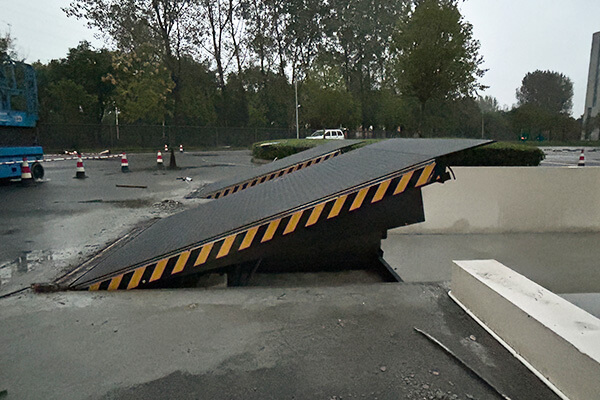
في رصيف تحميل مزدحم في المستودع، غالبًا ما تكون أرضية الشاحنة المتوقفة أعلى أو أقل من منطقة التحميل. يمكن أن يجعل فرق الارتفاع هذا من الصعب على الرافعات الشوكية نقل البضائع بأمان وسلاسة بين المبنى والمركبة. أ رافعة الرصيف الهيدروليكية يسد هذه الفجوة عن طريق رفع أو خفض منصته ومد شفة مفصلية onto سرير الشاحنة، مما يخلق انتقالًا مستقرًا. لكن كيف يعمل جهاز تسوية الرصيف الهيدروليكي, ، وما الذي يجعل حركته ممكنة؟
يشرح هذا الدليل مبدأ عمله ومكوناته الرئيسية وعملية التشغيل خطوة بخطوة، مما يساعد مشغلي المستودعات ومديري المرافق على فهم كيف تدعم أجهزة تسوية الرصيف الهيدروليكية عمليات التحميل والتفريغ الفعالة.
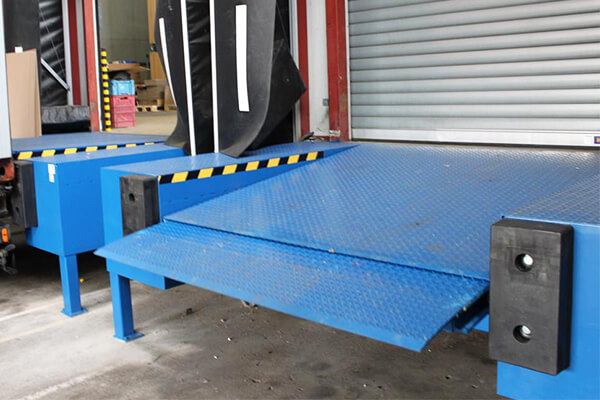
كيف تعمل رصيفة الرصيف الهيدروليكية؟
A رافعة الرصيف الهيدروليكية يعمل باستخدام وحدة طاقة هيدروليكية لرفع وخفض منصة فولاذية، بينما تمتد شفة مفصلية لتستقر على سرير الشاحنة. وهذا يخلق جسرًا مستقرًا بين أرضية المستودع والمركبة، مما يسمح للرافعات الشوكية بنقل البضائع بأمان عبر مستويات ارتفاع مختلفة أثناء عمليات التحميل والتفريغ.
الخطوة 1 – وضع الشاحنة وتأمينها
أولاً، ترجع الشاحنة إلى منطقة التحميل المخصصة وتصطف مع مدخل الرصيف. بمجرد وضعها بشكل صحيح، يجب تأمين المركبة باستخدام مثبت مركبة مناسب أو حاصرات عجلات وفقًا لإجراءات السلامة في المرفق. يضمن الوضع الصحيح أن شفة جهاز تسوية الرصيف يمكنها الوصول إلى سرير الشاحنة والحفاظ على التلامس المناسب أثناء التشغيل.
الخطوة 2 – تشغيل المضخة الهيدروليكية
بعد التأكد من تأمين الشاحنة وأن منطقة التحميل خالية، يقوم المشغل بتشغيل جهاز تسوية الرصيف الهيدروليكي باستخدام لوحة التحكم. يبدأ المحرك الكهربائي المضخة الهيدروليكية، التي تسحب الزيت الهيدروليكي من الخزان وتوصل السائل المضغوط إلى أسطوانة الرفع. هذه الطاقة الهيدروليكية تدفع حركة المنصة للأعلى.
الخطوة 3 – رفع منصة جهاز تسوية الرصيف
مع تراكم الضغط الهيدروليكي داخل أسطوانة الرفع، تمتد الأسطوانة وتدفع المنصة للأعلى. ترتفع المنصة الفولاذية من موضعها المخزن، مما يخلق خلوصًا كافيًا لتمدد الشفة المفصلية. يتم التحكم في حركة الرفع هذه بواسطة النظام الهيدروليكي، مما يسمح لـ رافعة الرصيف الهيدروليكية بالوصول إلى موضع التشغيل المطلوب.
الخطوة 4 – مد الشفة onto سرير الشاحنة
عندما تصل المنصة إلى موضعها المرتفع، تمتد الشفة المفصلية نحو سرير الشاحنة. اعتمادًا على الطراز، قد يكون تمدد الشفة تلقائيًا أو يتم التحكم فيه من خلال عملية منفصلة. ثم يسمح المشغل للمنصة بالانخفاض حتى تستقر الشفة بشكل آمن على سرير الشاحنة، مما يشكل جسرًا متواصلًا لمعدات مناولة المواد.
الخطوة 5 – تحميل وتفريغ البضائع
بمجرد وضع المنصة والشفة بشكل صحيح، يمكن للرافعات الشوكية التنقل بين أرضية المستودع وسرير الشاحنة. الـ تشغيل جهاز تسوية الرصيف الهيدروليكي يسمح بنقل البضائع عبر فرق الارتفاع دون الحاجة إلى منحدر محمول منفصل. يجب على المشغلين مراعاة السعة المقدرة، والحفاظ على المنصة خالية من العوائق، واتباع إجراءات سلامة التحميل في المرفق.
الخطوة 6 – إعادة جهاز تسوية الرصيف إلى موضعه المخزن
بعد اكتمال التحميل أو التفريغ، يتبع المشغل تعليمات الشركة المصنعة لرفع المنصة، وسحب الشفة، وإعادة جهاز تسوية الرصيف إلى موضعه المخزن. يجب تحرير مثبت المركبة فقط عندما يتم تخزين المنصة بأمان وتكون الشاحنة جاهزة للمغادرة. وهذا يكمل دورة التشغيل ويهيئ منطقة التحميل للمركبة التالية.
المكونات الرئيسية لجهاز تسوية الرصيف الهيدروليكي
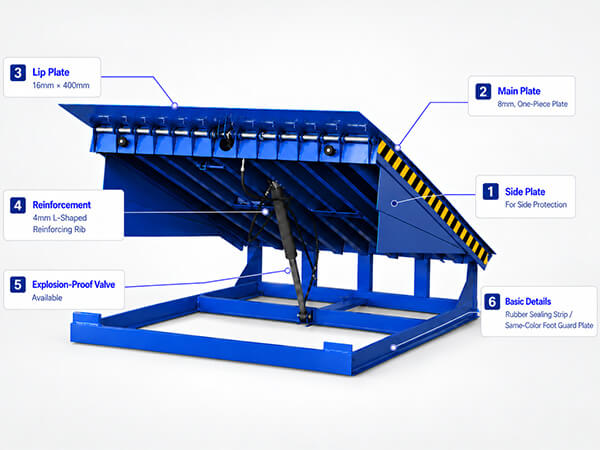
فهم أجزاء جهاز تسوية الرصيف الهيدروليكي الرئيسية يساعد في شرح كيف ترفع المعدات، وتمدد شفتها، وتتكيف مع ارتفاعات سرير الشاحنة المختلفة. يتكون جهاز تسوية الرصيف الهيدروليكي النموذجي من عدة مكونات ميكانيكية وهيدروليكية وكهربائية تعمل معًا لتوفير تشغيل سلس ومتحكم فيه.
المضخة الهيدروليكية ووحدة الطاقة
تتكون وحدة الطاقة الهيدروليكية من محرك كهربائي ومضخة هيدروليكية وخزان زيت. عندما يقوم المشغل بتشغيل نظام التحكم، يقود المحرك المضخة، التي توصل الزيت الهيدروليكي المضغوط إلى أسطوانات الرفع.
الأسطوانات الهيدروليكية
تحول الأسطوانات الهيدروليكية ضغط السائل إلى قوة ميكانيكية. فهي تدفع المنصة للأعلى، واعتمادًا على التصميم، تشغل الشفة المفصلية. الأسطوانات مكونات أساسية في النظام الهيدروليكي لجهاز تسوية الرصيف الهيدروليكي, ، مما يتيح حركة منصة متحكم فيها.
المنصة الفولاذية والشفة المفصلية
توفر المنصة الفولاذية، التي تسمى أيضًا السطح، سطحًا مستقرًا للرافعات الشوكية ومعدات مناولة المواد. تمتد الشفة المفصلية من الحافة الأمامية للمنصة وتستقر على سرير الشاحنة، مما يخلق انتقالًا متواصلًا بين أرضية المستودع والمركبة.
صندوق التحكم والصمامات الهيدروليكية
The control box allows operators to activate and control the dock leveler. Hydraulic valves regulate oil flow and pressure, directing fluid to the appropriate cylinders during lifting, lowering, and lip movement.
الدعامات الأمنية وأجهزة الحماية
Safety features may include maintenance support struts, toe guards, emergency stop controls, and hydraulic safety valves, depending on the model. These dock leveler components help protect operators and maintenance personnel by reducing risks associated with unexpected movement, accidental access, and hydraulic system failure. Mechanical maintenance supports must be engaged according to the manufacturer’s instructions before working beneath a raised platform.
كيف يتحكم النظام الهيدروليكي في حركة المنصة؟
يتم تصنيع hydraulic dock leveler working principle is based on converting electrical energy into hydraulic power and then into mechanical movement. The electric motor drives the hydraulic pump, which pressurizes the oil and directs it through control valves to the hydraulic cylinders. These components work together to control platform lifting, lip movement, and adjustment during loading operations.
كيف يرفع الضغط الهيدروليكي المنصة
When the electric motor starts, the hydraulic pump draws oil from the reservoir and delivers pressurized fluid to the lifting cylinder. The hydraulic pressure extends the cylinder, generating the force needed to raise the steel platform. When the control valve changes the oil flow, the platform can lower in a controlled manner.
كيف تمتد الشفة وتتراجع
Depending on the hydraulic dock leveler mechanism, the hinged lip is operated by a dedicated hydraulic cylinder or an integrated linkage system. Hydraulic pressure drives the lip outward, allowing it to rest on the truck bed. The return sequence retracts the lip before the platform returns to its stored position.
كيف تتكيف المنصة مع حركة المقطورة
During loading and unloading, changes in cargo weight can affect the truck’s suspension and bed height. In its operating position, the dock leveler is designed to follow normal vertical movement of the truck bed within its working range, maintaining contact between the lip and trailer.
جهاز تسوية الرصيف الهيدروليكي مقابل الميكانيكي: كيف يعملان بشكل مختلف؟
The main difference between a hydraulic vs mechanical dock leveler is how the platform is powered and operated. A hydraulic dock leveler uses an electric motor, hydraulic pump, and cylinders to control platform movement. A mechanical dock leveler relies on a spring-assisted mechanism and manual operation to raise and lower the platform.
| الميزة | منصة تحميل هيدروليكية | منصة منحدر الرصيف الميكانيكية |
|---|---|---|
| آلية الدفع | محرك كهربائي ومضخة هيدروليكية | Mechanical spring and counterbalance mechanism |
| Operating Method | Push-button hydraulic control | Manual activation using a pull chain or handle, depending on the model |
| Manual Effort | Minimal operator effort | Requires manual activation and greater physical involvement |
| Power Requirements | Requires an electrical power supply | Generally operates without electricity |
| احتياجات الصيانة | Hydraulic oil, cylinders, hoses, pump, and electrical components | Springs, hinges, linkages, and mechanical components |
| التطبيقات المناسبة | Warehouses with frequent loading and unloading operations | Facilities requiring a mechanically operated loading dock solution |
أي نظام تشغيل أكثر ملاءمة؟
Hydraulic dock levelers provide convenient push-button operation and controlled platform movement, making them suitable for facilities with frequent loading activities. Mechanical dock levelers offer a simpler operating mechanism without requiring an electrical power supply. The appropriate choice depends on operating frequency, available power, maintenance requirements, and facility configuration.
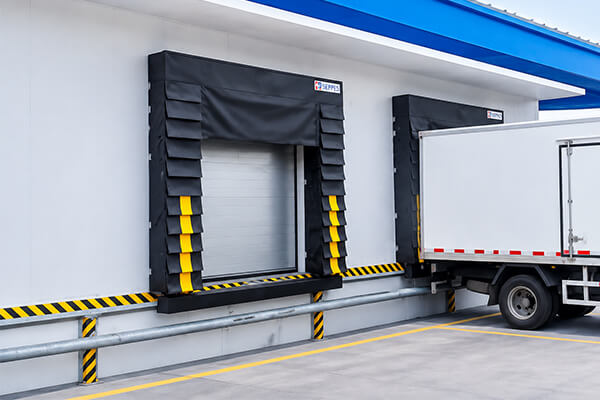
المشاكل الشائعة في جهاز تسوية الرصيف الهيدروليكي ونصائح الصيانة
Regular inspection and proper maintenance help keep a hydraulic dock leveler operating reliably. Understanding common problems can also help warehouse operators identify potential issues before they cause unexpected downtime.
لماذا لا يرتفع جهاز تسوية الرصيف الهيدروليكي الخاص بي؟
If a hydraulic dock leveler does not rise, possible causes include a power supply failure, a faulty control circuit, insufficient hydraulic oil, or a hydraulic leak. An overloaded platform or an activated safety interlock may also prevent operation. Check the external power supply and visible operating conditions. If the problem persists, contact a qualified technician.
لماذا لا تمتد شفة جهاز تسوية الرصيف؟
A lip that fails to extend may indicate a hydraulic pressure issue, a faulty control valve, a damaged cylinder, or an obstruction around the hinge mechanism. Stop operation and arrange a professional inspection rather than forcing the lip to move.
ما الصيانة التي يحتاجها جهاز تسوية الرصيف الهيدروليكي؟
يعتبر الصيانة المنتظمة dock leveler maintenance should include checking hydraulic hoses, visible oil leaks, electrical controls, platform hinges, lip movement, and safety devices. Keep the platform and surrounding area free of debris. Follow the manufacturer’s maintenance schedule and arrange periodic inspections by qualified technicians. Never work beneath an unsupported raised platform or attempt to adjust hydraulic pressure without proper training.
الأسئلة الشائعة حول منصات التحميل الهيدروليكية
كيف يتكيف جهاز تسوية الرصيف الهيدروليكي مع ارتفاعات الشاحنات المختلفة؟
A hydraulic dock leveler adjusts to different truck bed heights by raising or lowering its platform within its designed operating range. The hinged lip rests on the truck bed, creating a stable transition between the loading dock and vehicle. Its working range depends on the model and specified adjustment capacity.
ما الذي يشغل جهاز تسوية الرصيف الهيدروليكي؟
A hydraulic dock leveler is typically powered by an electric motor connected to a hydraulic pump. The pump pressurizes hydraulic oil and directs it to the lifting cylinders, which move the platform and, depending on the design, the hinged lip. The control system manages these movements during loading operations.
هل يمكن لجهاز تسوية الرصيف الهيدروليكي العمل بدون كهرباء؟
A standard electrically powered hydraulic dock leveler generally requires electricity to perform its normal lifting and operating cycle. Some models may provide manual emergency or backup procedures, depending on their design. Always consult the manufacturer’s operating manual before attempting any alternative operation.
ما الفرق بين جهاز تسوية الرصيف الهيدروليكي ورافعة الرصيف؟
A hydraulic dock leveler bridges the height difference between a warehouse loading dock and a truck bed, allowing forklifts to move goods between them. A hydraulic dock lift is designed to raise or lower materials between different floor levels or working heights, often where a conventional loading dock is unavailable.
كم مرة يجب فحص جهاز تسوية الرصيف الهيدروليكي؟
A hydraulic dock leveler should receive regular visual checks before use, along with scheduled preventive maintenance based on the manufacturer’s recommendations and applicable safety requirements. Inspections should cover hydraulic hoses, oil leaks, electrical controls, hinges, safety devices, and structural components. Qualified technicians should perform more detailed maintenance at the recommended intervals.
الخلاصة
Understanding how a hydraulic dock leveler works helps warehouse operators make better decisions about loading dock efficiency, equipment safety, and maintenance. By using hydraulic pressure to raise the platform and extend the hinged lip, the system creates a stable bridge between the warehouse floor and truck bed. Proper operation, regular inspections, and suitable equipment selection are essential for reliable performance.