Mon - Sat : 9am to 7pm Sunday is CLOSED

Banana Ripening Room
Sectional Door Application
Banana Ripening Room
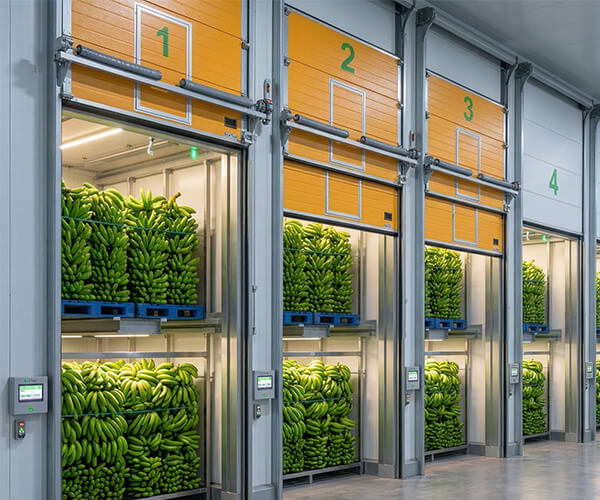
In the delicate process of commercial fruit maturation, the banana ripening room door serves as the critical guardian of gas concentration and thermal stability. SEPPES delivers specialized, high-performance solutions engineered specifically for the rigors of pressurized ripening environments. Including insulated ripening sroom doors—is designed to create a hermetic seal that locks in ripening gases and stabilizes internal climates.
Banana Ripening Room
Banana Ripening Room Sectional Door Solutions | Airtight & Insulated | SEPPES
A Banana Ripening Room is a highly controlled, specialized atmospheric chamber designed to transform green, starchy bananas into yellow, sweet fruit through a scientific process known as synchronized maturation. Unlike standard cold storage, these rooms utilize sophisticated climate control systems to manage temperature, humidity, and ethylene gas concentrations with extreme precision.
Key Technical Requirements for Ripening Rooms:
- Gas Tightness: The room must be airtight. High-performance airtight doors and inflatable seals are essential to maintain gas density.
- Thermal Stability: Ripening releases heat, so the facility needs well-insulated sectional doors to maintain stable internal temperatures.
- Pressurized Airflow: Ripening rooms use forced-air systems to push conditioned air through the fruit, unlike passive cooling.
- Humidity Management: To prevent fruit from drying out and scarring, keep humidity levels between 85% and 95%.
Key Features of SEPPES Ripening Room Sectional Doors
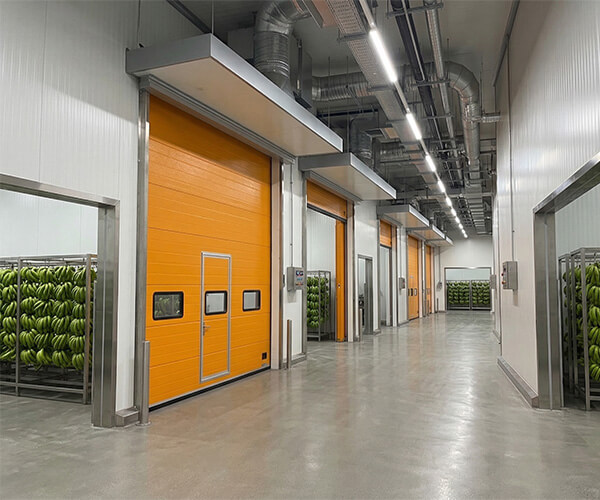
SEPPES focuses on four critical engineering pillars to ensure your facility operates at peak efficiency.
Exceptional Temperature Insulation
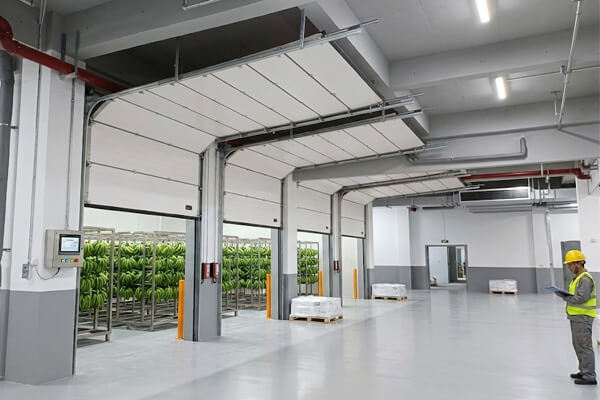
Maintaining a precise thermal curve is the foundation of professional ripening. Our doors utilize high-density polyurethane (PU) sandwich panels combined with broken-bridge frame technology to eliminate thermal bridges. This superior insulation prevents external heat infiltration during the exothermic ripening phase, ensuring that internal temperatures remain stable within a +/- 0.5°C variance.
Superior Air Infiltration and Gastight Performance
The success of a ripening cycle depends on the concentration of ethylene gas. This airtight barrier prevents expensive ripening agents from leaking out and stops untreated external air from entering. Maintaining high static pressure within the chamber allows your forced-air systems to penetrate the fruit boxes more effectively, reducing the overall ripening cycle duration.
Precision Humidity Control
Banana ripening requires constant high humidity (typically 85 percent to 95 percent) to prevent fruit desiccation and peel scarring. Standard industrial doors often allow moisture to escape, leading to “shrinkage” and measurable weight loss in the final product. Our hermetically sealed door solutions lock in moisture, preserving the fruit’s natural weight and vibrant yellow aesthetics. This directly translates into higher sellable weight and increased revenue per batch.
Certified for Food Safety and Hygiene
In the modern cold chain, compliance with international standards is non-negotiable. SEPPES equipment is engineered to meet food-grade environments. The door surfaces are constructed from non-toxic, anti-corrosive materials that are wash-down ready, allowing easy sanitization to prevent mold or bacterial growth. This professional-grade construction ensures your facility passes rigorous third-party audits and maintains the highest levels of product integrity.
High-Performance Sectional Door for Professional Ripening
While the forced-air ripening system manages the internal atmosphere, the SEPPES Insulated Sectional Door acts as the critical barrier that locks in those conditions. Specifically modified for the rigors of ripening chambers, our sectional doors utilize specialized high-density PU panels and a patented quadruple-seal system to achieve industry-leading gastight performance.
- Thermal Efficiency: R-value optimized to prevent heat spikes during exothermic fruit maturation.
- Airtight Precision: Certified Class 3 or higher gas-tightness.
- Corrosion Resistance: Reinforced hardware designed for high-humidity ripening environments.
Overcoming Challenges in Professional Ripening Room
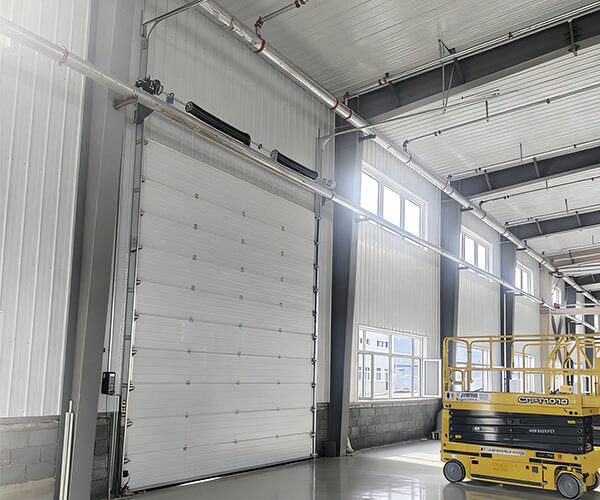
Maintaining a precise atmospheric balance is the foundation of high-value fruit maturation. Inadequate door systems within a ripening facility create vulnerabilities that lead to direct financial losses. SEPPES provides engineered solutions designed to mitigate these four critical industry bottlenecks.
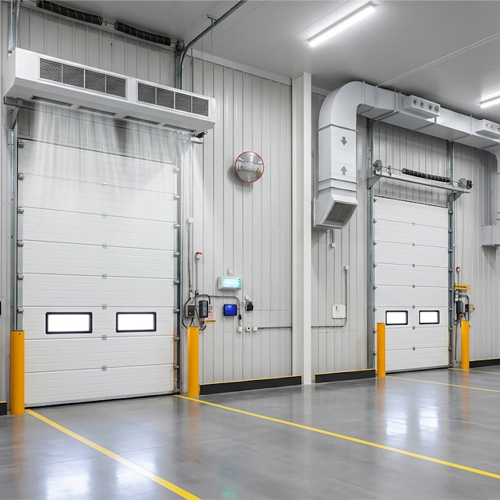
Uneven Ripening: Inconsistent Market Value
The Challenge: Air leakage and pressure drops around the door perimeter create “dead zones” within the chamber. This prevents forced-air systems from penetrating every pallet uniformly, leading to varied ripening stages and forcing manual sorting, which significantly lowers the average market price.
The Solution: Implementing Airtight Sectional Doors with specialized high-pressure sealing technology. These doors ensure a pressurized environment, allowing the ripening room’s ventilation system to maintain a consistent flow across all fruit tiers for perfectly synchronized color scores.
Ethylene Loss and Cycle Delays
The Challenge: Ethylene is a highly volatile plant hormone essential for triggering maturation. Standard industrial doors often fail to provide a gas-tight seal, allowing ethylene to escape. This results in stalled ripening cycles, increased gas consumption, and higher operational costs per batch.
The Solution: Utilizing Gastight Ripening Room Doors equipped with quadruple EPDM flexible seals. This hermetic barrier locks in ethylene concentrations, maintaining the specific atmospheric density required to minimize processing time and maximize facility throughput.
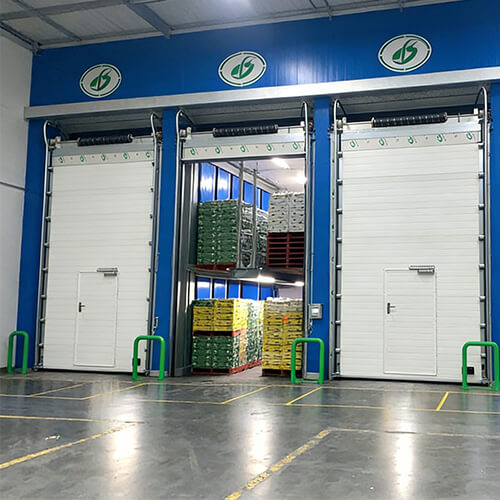
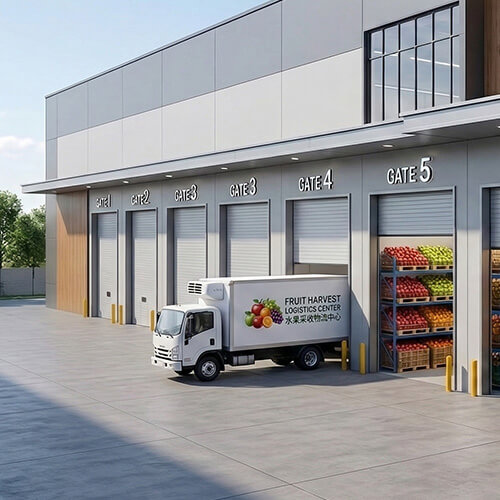
Thermal Instability: Exothermic Reaction Risks
The Challenge: Ripening is an exothermic process that generates significant internal heat. Conventional doors lack the thermal resistance to quickly isolate these rapid temperature spikes against external ambient air, leading to premature softening or “cooked” fruit that fails quality inspections.
The Solution: Installing High-Speed Spiral Doors featuring broken-bridge insulation technology. Their rapid opening speeds (up to 2.0 m/s) minimize thermal exchange during traffic, while high-R-value aluminum slats provide a powerful thermal shield to stabilize the internal maturation climate.
Banana Ripening Room Door Solutions: Precision Ripening for Maximum Market Value
Ensure 100% Gastight Compliance > Secure your ethylene containment and meet the most stringent international food safety standards with our high-R-value ripening room doors.
Recommended Types of Banana Ripening Room Doors
Engineered to eliminate ethylene leakage and maintain precise atmospheric control.

As the primary thermal and atmospheric barrier for ripening chambers, these doors are engineered to lock in controlled environments and prevent temperature fluctuations.
- EPDM Flexible Sealing System
- Broken-Bridge Insulation
- Heavy-Duty Durability
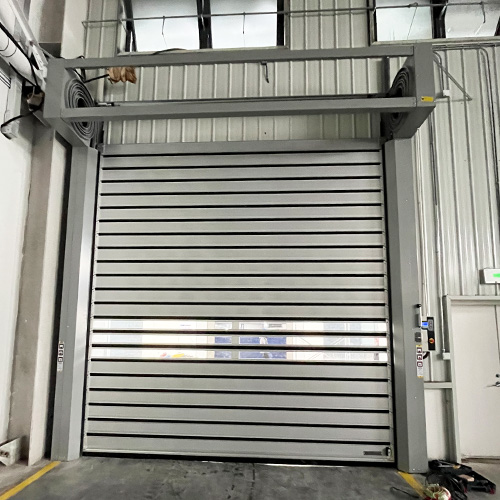
Combining rugged security with extreme velocity, these Rapid Access Barriers are designed for high-frequency loading bays interacting with external environments.
- Insulated Aluminum Slats
- Non-Contact Spiral Tracks
- Intelligent Climate Integration
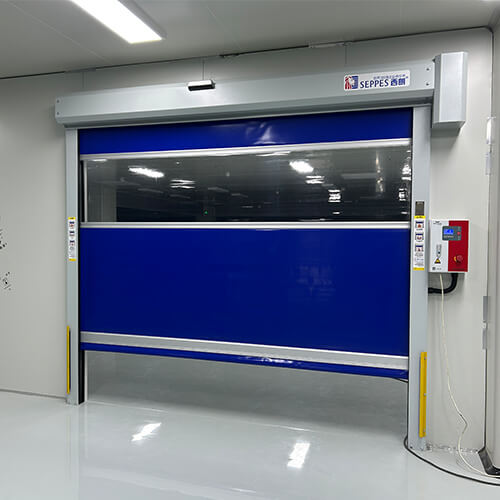
These high-performance fabric doors are the ideal choice for internal logistics corridors, effectively isolating different temperature zones through high-frequency operation.
- High-Efficiency Throughput
- Self-Repairing Design
- Advanced Safety Protocols
Performance: Professional vs. Standard Ripening Doors
To ensure the highest market value for every batch of fruit, a specialized ripening chamber requires infrastructure that maintains precise atmospheric conditions. The following data highlights how SEPPES professional ripening room doors outperform traditional industrial doors in critical performance metrics.
| Performance Metrics | Standard Industrial Doors | SEPPES Professional Ripening Doors | Strategic Operational Impact |
| Air-Tightness | Class 1 or Unrated | Class 3 or Higher (Gastight) | Prevents ethylene leakage to ensure 100 percent synchronized ripening. |
| Insulation (U-Value) | > 0.85 W/m²K | 0.45 W/m²K (Broken-Bridge) | Superior thermal isolation prevents heat spikes during exothermic maturation. |
| Ethylene Containment | Significant gas loss | Near-Zero Leakage | Reduces ripening agent consumption and shortens maturation cycles. |
| Moisture Retention | 70% – 80% Humidity | 85% – 95% Precision Control | Minimizes fruit weight loss (shrinkage) and preserves peel vibrancy. |
| Operational Lifespan | Standard high-wear parts | Reinforced Anti-Corrosive Components | Engineered for the high-humidity and high-pressure environments of ripening rooms. |
Latest Article About Ripening Room Insulated Sectional Door
Frequently Asked Questions
Gas-tightness is essential, because the ripening process relies on maintaining a specific concentration of ethylene gas to trigger synchronized maturation. A standard industrial door allows gas to leak, which destabilizes atmospheric pressure and leads to uneven fruit coloring and extended processing cycles. SEPPES ripening room doors feature specialized quadruple EPDM seals that achieve Class 3 or higher gas-tightness, ensuring that ripening agents remain concentrated within the chamber for maximum efficiency.
Unlike standard warehouse doors, a banana ripening room sectional door must provide a hermetic seal to maintain high concentrations of ethylene gas. Standard doors often allow gas leakage, which de-stabilizes the atmospheric pressure and leads to uneven ripening. SEPPES ripening doors are engineered with quadruple EPDM seals to ensure Class 3 or higher gas-tightness (EN 12426), ensuring synchronized maturation and maximum fruit market value.
While a standard cold storage door provides basic insulation, it is typically not engineered for the pressurized environments and gas containment required for professional ripening. Standard doors often lack the specialized perimeter sealing needed to prevent ethylene loss and the structural reinforcement to handle the internal air pressure used in forced-air ripening systems.
Upgrading to a dedicated ripening room door ensures consistent fruit quality, shorter maturation cycles, and a significantly higher return on investment (ROI) through reduced energy and gas waste.
A professional banana ripening room functions as a pressurized, climate-controlled laboratory that mimics and accelerates the natural maturation process of fruit. The operation relies on the precise synchronization of four critical variables: Temperature, Ethylene Concentration, Airflow, and Humidity.
- Temperature Control
- Ethylene Injection
- Pressurized Forced-Air Circulation
- Exothermic Management
- Humidity Maintenance
The ripening of bananas is an exothermic process that generates significant internal heat. If the door lacks sufficient thermal resistance, the facility cannot effectively isolate these heat spikes from external ambient temperatures, leading to “cooked” or prematurely softened fruit. Our gastight insulated sectional doors utilize high-density polyurethane (PU) sandwich panels with broken-bridge technology. This provides a superior thermal barrier (low U-Value) that stabilizes the internal climate and protects fruit integrity throughout the heat-generating phase.