
月〜土:午前9時〜午後7時 日曜日は休業


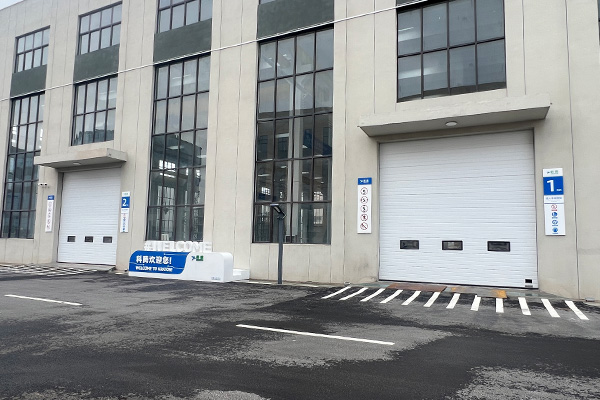
In today’s competitive industrial landscape, a manufacturing facility is more than just a production site—it is a visual extension of a company’s brand and commitment to quality. Modern factory owners now recognize that professional aesthetics and an optimized work environment are essential indicators of corporate strength and innovation.
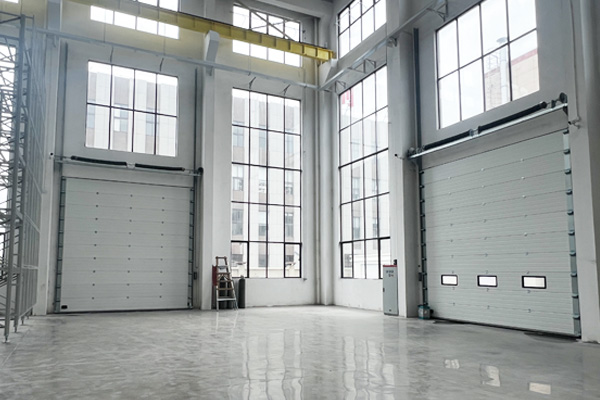
However, many high-end facilities, particularly in the environmental equipment sector, face a common architectural hurdle: traditional steel rolling shutters. While durable, these conventional doors often fall short in thermal insulation, block out natural light, and offer a dated appearance that fails to match a premium brand image. To bridge this gap, upgrading to a high-performance sectional overhead door with vision panels has become the gold standard. In this article, we explore how replacing old shutters with modern industrial sectional doors can transform your plant’s transparency, energy efficiency, and overall curb appeal.
目次
Why the Move from Rolling Shutters to Sectional Doors?
For years, steel rolling shutters were the default choice for industrial units. However, as modern architectural standards evolve, many facility managers are making the switch to 産業用セクショナルドア. Here is why this upgrade is essential for high-end manufacturing plants:
Modern Aesthetic Upgrade
First impressions matter. Traditional rolling shutters, with their corrugated slats and bulky housing boxes, often give a factory a cluttered, “old-school” industrial look. In contrast, 商業用セクショナルドア feature large, smooth-surfaced panels that create a clean, streamlined facade. For an environmental equipment company, this sleek design projects a message of precision, technology, and professional excellence, instantly elevating the building’s “curb appeal” to a premium level.
Superior Insulation & Energy Efficiency
For companies focused on environmental sustainability, energy waste is a significant concern. Traditional shutters are typically made of single-layer steel with numerous gaps between slats, allowing heat to escape. 断熱セクショナルドア are engineered with a sandwich structure—high-density polyurethane foam injected between steel skins. This design, combined with high-quality perimeter seals, provides exceptional thermal resistance. By maintaining a stable internal temperature, these doors reduce the load on HVAC systems, directly supporting the “green” mission of environmental firms.
Optimized Space & Structural Efficiency
The operational mechanics of factory sectional doors offer a distinct advantage in space management. While rolling shutters require a large circular drum above the lintel, sectional doors track vertically and then stow flat against the ceiling or follow the roof pitch. This “vertical lift” or “high-lift” design maximizes the usable overhead space, allowing for better clearance for cranes, forklifts, and lighting fixtures. The result is a more organized, spacious, and safer working environment.
Sectional Overhead Doors vs. Rolling Shutters: A Comparative Overview
| 特徴 | Traditional Steel Rolling Shutters | 工業用セクショナルオーバーヘッドドア |
| 美観 | Utilitarian, corrugated look; bulky drum box. | Sleek, flat panels; modern and professional finish. |
| Natural Light | None (solid metal slats block all light). | 高 (Integrated vision panels/windows). |
| 断熱材 | Poor (single-skin steel; frequent air gaps). | 優良 (Insulated sandwich panels with PU foam). |
| Space Usage | Requires large head-room for the roll. | Tracks along the ceiling; maximizes vertical space. |
| 操作 | Noisy; high-friction rolling mechanism. | Smooth, quiet, and balanced track system. |
| 耐久性 | Prone to denting and slat misalignment. | High-strength reinforced panels; easy to maintain. |
| Brand Image | Standard industrial warehouse. | High-tech, premium manufacturing facility. |