
お問い合わせ WhatsApp: 8618036828007


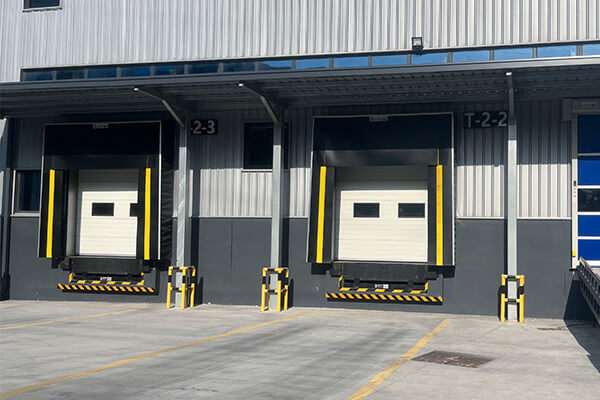
Loading docks are constantly exposed to rain, direct sunlight, dust, and outdoor airflow, which can disrupt loading operations, expose goods to weather, and create challenging working conditions. Installing a suitable dock door canopy helps protect loading areas from harsh weather and improves daily operational efficiency.
For warehouses, distribution centers, and manufacturing facilities, choosing the right loading dock protection system depends on local weather conditions, truck dimensions, and operational requirements. This guide explores different dock canopy options, their key benefits, and how to select the most suitable solution for your facility.
What Is a Dock Door Canopy?
A dock door canopy is an overhead protective structure installed above a warehouse loading dock entrance to shield loading areas from rain, snow, and direct sunlight. Typically made from metal or durable fabric, a loading dock canopy helps protect goods, workers, and equipment from weather exposure during truck loading and unloading operations.
Unlike a fully enclosed loading dock shelter, a dock canopy primarily provides overhead weather protection rather than forming a seal around the truck.
How Does a Loading Dock Canopy Work?
A loading dock canopy extends outward from the warehouse wall or is supported by a separate structural frame, creating a covered area above the loading dock entrance.
Its main function is to reduce direct exposure to rain, snow, and sunlight while allowing trucks and forklifts to access the loading area.
Depending on the design, a dock canopy may offer several benefits:
- Weather Protection: Shields loading areas, goods, and workers from direct rain, snow, and sunlight.
- Improved Loading Conditions: Helps maintain a more comfortable and sheltered environment during loading and unloading.
- Equipment Protection: Reduces direct weather exposure for dock doors and nearby loading equipment.
- Flexible Applications: Can be designed for warehouses, distribution centers, manufacturing facilities, and outdoor loading bays.
However, a standard dock canopy does not create an airtight connection between the truck and warehouse. Facilities requiring better temperature control, dust protection, or reduced outdoor air infiltration may need additional equipment, such as a dock shelter or dock seal.
What Is the Difference Between Dock Canopies and Dock Shelters?
The main difference between dock canopy and dock shelter lies in their structure and level of protection.
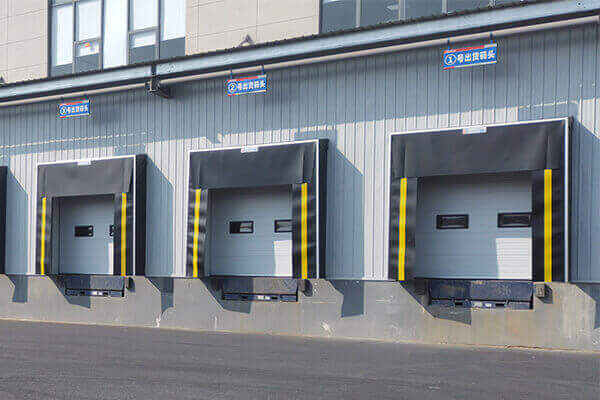
A dock canopy is installed above the loading dock entrance to provide overhead weather protection. In contrast, a dock shelter is mounted around the loading dock doorway and uses flexible curtains, pads, or inflatable components to form a protective enclosure around the rear of a parked truck.
Both systems help protect loading operations, but they serve different purposes.
| 特徴 | Dock Canopy | ドックシェルター |
|---|---|---|
| Installation Location | Above the loading dock entrance | Around the loading dock doorway |
| 構造 | Metal or fabric overhead covering | Frame with flexible curtains or inflatable components |
| Weather Protection | Primarily protects against overhead rain, snow, and sunlight | Helps reduce rain, wind, and dust entering around the truck |
| Truck Sealing | Does not form a seal around the truck | Provides varying levels of sealing depending on the design |
| 温度管理 | Limited direct impact | Can help reduce air exchange and temperature loss |
| Best Applications | General warehouses and outdoor loading areas | Logistics centers, food facilities, and temperature-controlled warehouses |
Which option is better for your warehouse?
If your primary goal is protecting loading areas from rain and sunlight, a loading dock canopy may be sufficient. However, if your facility requires improved sealing, dust control, or reduced temperature loss during truck loading, a mechanical or inflatable dock shelter may be a more suitable solution.
Types of Dock Door Canopies and Loading Dock Protection Systems
Different loading docks require different levels of weather protection and sealing. Dock door canopies primarily provide overhead coverage, while dock shelters and dock seals help protect the space between a truck and the warehouse entrance.
The following five solutions are commonly used to improve loading dock protection, depending on weather conditions, trailer sizes, and operational requirements.
Metal Loading Dock Canopies
Metal loading dock canopies are typically made from steel or aluminum and installed above warehouse loading dock doors. Their rigid structure provides overhead protection against rain, snow, and direct sunlight.
These canopies are suitable for distribution centers, manufacturing plants, and warehouses requiring durable, long-term weather protection. Proper drainage and structural design are essential for reliable performance.
Best for: Warehouses and industrial loading bays requiring permanent overhead weather protection.
Fabric and Retractable Loading Dock Canopies
Fabric loading dock canopies use weather-resistant materials supported by metal frames. Retractable designs can extend or fold away when needed, offering greater flexibility in areas with limited space or changing operational requirements.
They provide shade and protection from light rain, depending on the fabric, slope, and installation design. However, they do not create a seal around parked trucks.
Best for: Loading areas requiring flexible shade or occasional weather protection.
Mechanical Dock Shelters for Truck Loading Bays
Unlike overhead canopies, メカニカルドックシェルター are installed around the loading dock doorway. They typically feature a metal frame and flexible PVC-coated fabric curtains that contact the rear and sides of a parked truck.
This design helps reduce rain, wind, and dust entering the loading area while accommodating different trailer sizes.
SEPPES mechanical dock shelters are designed for warehouse loading bays and logistics facilities with frequent truck movements.
Best for: Distribution centers, logistics warehouses, and facilities handling different truck sizes.
Inflatable Dock Shelters for Temperature-Controlled Loading
インフレータブルドックシェルター use air-filled cushions to form a protective seal around the rear of a parked truck. Once the vehicle is positioned, the cushions inflate to reduce gaps between the trailer and loading dock entrance.
This design helps minimize outdoor air infiltration, temperature loss, and dust entry during loading operations.
SEPPES inflatable dock shelters are suitable for cold storage warehouses, food processing facilities, and temperature-controlled logistics operations.
Best for: Cold chain logistics, refrigerated warehouses, and temperature-sensitive loading areas.
Foam Dock Seals for Consistent Trailer Sizes
Foam dock seals use high-density foam pads covered with durable, wear-resistant fabric. When a truck backs against the pads, the foam compresses to form a seal around the trailer opening.
This simple structure helps reduce air exchange, rain infiltration, and dust entry. Foam dock seals are particularly effective when trucks have similar heights and widths.
SEPPES foam dock seals provide a practical sealing solution for warehouses with standardized loading vehicles.
Best for: Warehouses, food distribution facilities, and loading docks serving consistent trailer sizes.
Benefits of Installing a Loading Dock Canopy
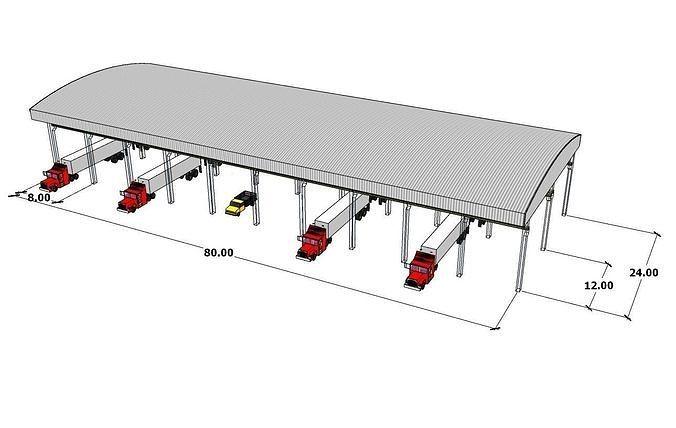
A loading dock canopy provides practical weather protection for warehouses, distribution centers, and manufacturing facilities. By covering exposed loading areas, it helps reduce weather-related disruptions, protect goods and equipment, and improve daily loading conditions.
Protection Against Rain, Snow, and Sunlight
Rain, snow, and direct sunlight can affect loading efficiency and expose goods to unfavorable conditions. A properly designed dock canopy provides overhead coverage, helping reduce direct weather exposure during truck loading and unloading.
For facilities requiring warehouse loading dock rain protection, the canopy’s projection, drainage design, and installation position are important factors in its effectiveness.
Improved Worker Safety and Loading Conditions
Wet loading areas can increase slip hazards, while direct sunlight and harsh weather may create uncomfortable working conditions.
A loading dock canopy helps keep covered areas drier and provides shade for workers handling goods near the dock entrance. This supports better ドック安全性 and more consistent working conditions.
However, proper drainage, adequate lighting, and safe loading procedures remain essential.
Reduced Exposure of Goods and Equipment
Frequent exposure to rain, snow, and sunlight can affect packaging materials, exposed goods, and loading dock equipment.
Installing a dock canopy helps protect these areas from direct weather exposure, reducing the risk of moisture-related damage and unnecessary interruptions.
For warehouses handling packaged products, industrial components, or sensitive materials, effective loading dock weather protection can improve overall loading reliability.
Better Protection When Combined with Dock Seals and Shelters
A standard dock canopy primarily provides overhead weather protection. It does not create an airtight seal or prevent outdoor airflow around a parked truck.
For facilities requiring improved sealing or temperature control, a canopy can be combined with additional loading dock protection systems:
- メカニカルドックシェルター: Help reduce rain, wind, and dust entering around the truck.
- インフレータブルドックシェルター: Form a closer seal around the trailer to help minimize air exchange and temperature loss.
- Foam Dock Seals: Provide compression sealing for loading docks serving trucks with consistent dimensions.
Combining suitable weather protection with SEPPES dock shelters or dock seals can help warehouses create a more protected and efficient loading environment.
Dock Door Canopy vs Dock Shelter vs Dock Seal: Which Is Better?
The best loading dock protection system depends on your weather conditions, trailer sizes, and sealing requirements.
A dock door canopy is suitable for overhead rain and sun protection. A ドックシェルター provides flexible protection around trucks of varying sizes, while a ドックシール uses compression pads to create a closer seal against trailers with consistent dimensions.
Dock Canopy vs Dock Shelter vs Dock Seal: Key Differences
| 特徴 | Dock Door Canopy | ドックシェルター | ドックシール |
|---|---|---|---|
| Weather Protection | Protects against overhead rain, snow, and sunlight | Helps block rain, wind, and dust around trailers | Helps prevent rain, wind, and dust infiltration |
| Air Sealing | No truck sealing | Moderate to high, depending on design | Close compression seal when properly matched |
| 温度管理 | Limited direct benefit | Helps reduce air exchange, especially inflatable designs | Helps reduce conditioned air loss |
| Trailer Compatibility | Accommodates different vehicles with sufficient clearance | Suitable for varying trailer heights and widths | Best for consistent trailer dimensions |
| Installation Requirements | Requires adequate wall support, projection, and drainage | Requires doorway clearance, correct frame positioning, and trailer alignment | Requires accurate trailer dimensions and proper pad positioning |
| Best Applications | General warehouses and outdoor loading areas | Distribution centers, logistics facilities, and cold storage | Warehouses with standardized fleets and temperature-control requirements |
Which Loading Dock Protection System Should You Choose?
Choose a Dock Door Canopy for Overhead Weather Protection
If your main concern is rain or direct sunlight affecting outdoor loading operations, a loading dock canopy provides practical overhead coverage without enclosing the truck.
Choose a Dock Shelter for Different Trailer Sizes
For warehouses serving trucks of varying heights and widths, a mechanical dock shelter offers greater flexibility. Facilities requiring improved temperature control can consider inflatable dock shelters to reduce gaps around parked trailers.
Choose a Dock Seal for Consistent Trailer Sizes
Foam dock seals are suitable for loading docks handling vehicles with similar dimensions. Their compression design provides a close seal, helping reduce air infiltration and weather exposure.
Key Factors Before Making a Decision
Before selecting a system, consider:
- Trailer Dimensions: Are truck heights and widths consistent or variable?
- Sealing Requirements: Is overhead weather protection sufficient, or is closer truck sealing necessary?
- Dock Configuration: Are there adequate mounting space, structural support, and clearances?
- Operating Environment: Does the facility require protection against dust, moisture, or temperature fluctuations?
For facilities with different operational needs, SEPPES offers mechanical dock shelters, inflatable dock shelters, and foam dock seals to support efficient, protected loading operations.
How Dock Canopies Work with Other Loading Dock Equipment
A dock door canopy provides overhead weather protection, but a well-designed loading dock often requires additional equipment for safe and efficient operations. Combining dock canopies with industrial doors, dock shelters, dock levelers, and vehicle restraints can help improve loading efficiency, weather protection, and operational safety.
Dock Canopy and Sectional Overhead Door
A セクショナルオーバーヘッドドア controls access between the warehouse and the outdoor loading area, while a dock canopy helps protect the entrance from rain, snow, and direct sunlight.
The sectional door opens vertically along overhead tracks, allowing trucks and loading equipment to access the dock when required. Together, these systems provide weather coverage and a secure building closure.
When planning installation, sufficient clearance must be maintained for the door tracks, canopy supports, and truck movements.
Best for: Warehouses, manufacturing plants, and distribution centers requiring weather protection and reliable industrial door operation.
Dock Shelter and Hydraulic Dock Leveler
A ドックシェルター protects the space around the rear of a parked truck, while a 油圧ドックレベラー bridges the height difference between the warehouse floor and the truck bed.
During loading operations, the dock shelter helps reduce exposure to rain, wind, and dust. The hydraulic dock leveler provides a transition surface for forklifts and material handling equipment, within its rated capacity and operating limits.
Together, these systems support more efficient loading and unloading while improving protection at the truck-to-building interface.
Best for: Logistics centers, food warehouses, and facilities with frequent forklift operations.
Truck Restraints and Loading Dock Safety
トラックリストレイント help prevent unintended trailer movement during loading and unloading. Depending on the restraint design, they secure the vehicle or help restrict movement away from the dock.
When integrated with compatible dock doors and levelers, a vehicle restraint system may include interlocks or status indicators to support safer operating sequences.
Proper vehicle positioning, restraint compatibility, and operating procedures remain essential for ドック安全性.
Best for: High-traffic distribution centers and warehouses handling frequent truck deliveries.
Building a Complete Loading Dock System
A complete ドックレベラーシステム combines equipment selected according to the facility’s truck types, dock dimensions, and operational requirements.
Common components include:
- Sectional Overhead Door: Provides building access and closure.
- Dock Canopy: Offers overhead rain and sunlight protection where required.
- Dock Shelter or Dock Seal: Helps reduce weather exposure and air infiltration around parked trailers.
- Hydraulic Dock Leveler: Bridges the gap and height difference between the loading dock and truck bed.
- Truck Restraint: Helps reduce the risk of unintended vehicle movement during loading operations.
Not every facility requires all five components. Equipment selection should account for door clearance, truck dimensions, dock geometry, mounting conditions, and compatibility between operating systems.
SEPPES provides sectional overhead doors, dock shelters, dock seals, and hydraulic dock levelers for industrial loading applications. Contact our team to discuss a suitable loading dock equipment configuration for your facility.
油圧式と機械式ドックレベラーの主な違いは何ですか?
What size dock door canopy do I need?
Size the cover around the required protected area, vehicle envelope and mounting conditions. Confirm width, projection and height on a site drawing. A selection based only on doorway width can leave goods exposed or create trailer-clearance problems.
Can a loading dock canopy stop wind-driven rain?
An overhead cover can intercept direct rainfall, but open sides allow wind-driven rain to enter. Review prevailing exposure and the vehicle interface. Dock shelters or compatible side protection may be needed where an overhead roof provides insufficient coverage.
Can a loading dock canopy be installed on an existing warehouse?
Often it can, subject to a site assessment. Check structural support, mounting access, trailer clearance and drainage before ordering. Existing cladding should not be assumed to provide a suitable structural fixing point.