
Свяжитесь с нами WhatsApp: 8618036828007


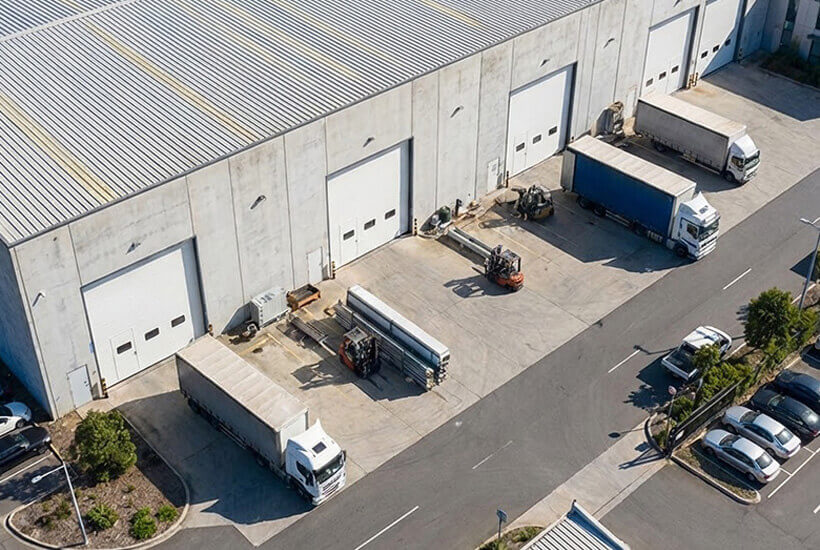
Введение в секционные утепленные доковые ворота
Эффективное управление складом в секторе машиностроения зависит от надежности его инфраструктуры. Доковая зона погрузки, как основной пункт входа и выхода, играет центральную роль в поддержании операционного потока. Для бразильских предприятий, работающих с чувствительными металлическими компонентами и тяжелым оборудованием, складские доковые ворота являются вопросом долгосрочной эксплуатационной эффективности и защиты.
Секционные утепленные доковые ворота стали стандартным решением для таких условий. Они обеспечивают необходимое термическое сопротивление для предотвращения конденсации и потерь энергии, а также обладают структурной прочностью, необходимой для интенсивного использования. Данное руководство рассматривает преимущества выбора решения для доковых ворот.
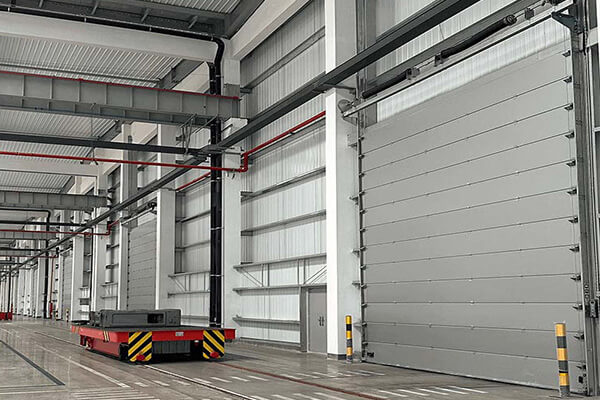
Почему склады машиностроительных материалов требуют утепленных доковых решений
Климат-контроль
Механические материалы (такие как сталь и прецизионные подшипники) крайне уязвимы к воздействию влаги. Плохая теплоизоляция складских доковых ворот позволяет внешнему горячему воздуху контактировать с более холодными внутренними металлическими поверхностями, что приводит к коррозии и повреждению материалов.
- Функция: Панели ворот с высоким значением R-value (коэффициент теплоизоляции), блокирующие внешнюю влагу и тепло для поддержания стабильной внутренней температуры. Это предотвращает конденсацию в источнике, сохраняя металлические материалы неповрежденными.
Высокая эксплуатационная нагрузка
Погрузочные зоны на складах машиностроительных предприятий чрезвычайно загружены, с интенсивным движением тяжелых вилочных погрузчиков и грузовиков — панели ворот могут открываться и закрываться десятки раз в день.
- Функция: Спроектированные для интенсивного использования, эти ворота оснащены усиленными стальными панелями и прочными направляющими системами. Они более устойчивы к ударам и стабильны по сравнению со стандартными рулонными воротами, сопротивляются деформации даже в условиях тяжелых нагрузок, значительно продлевая срок службы.
Энергоэффективность
Заводы машиностроения обычно занимают большие площади, требуя значительных энергозатрат на вентиляцию и контроль температуры. Плохо герметизированные погрузочные зоны действуют как неплотно закрытая дверца холодильника.
- Функция: Секционные утепленные доковые ворота герметизируют погрузочные зоны с помощью утолщенной теплоизоляции из пенополиуретана и периметральных резиновых уплотнителей. Это эффективно предотвращает потери холодного воздуха, снижает нагрузку на системы отопления, вентиляции и кондиционирования завода и напрямую уменьшает ежемесячные эксплуатационные расходы на электроэнергию.
Что такое секционные утепленные доковые ворота?
Определение и базовая конструкция
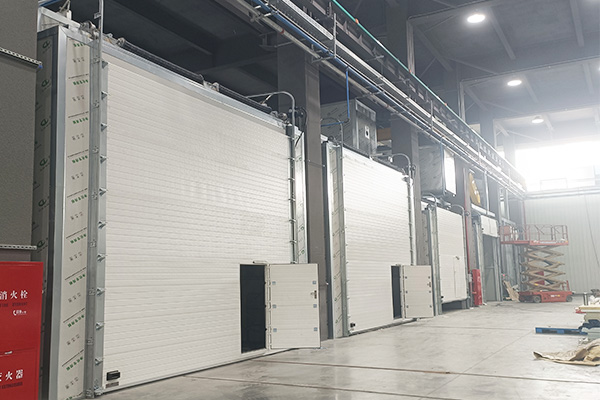
Секционные утепленные доковые ворота представляют собой высокопроизводительные промышленные барьеры, специально разработанные для погрузочных зон и складских входов. В отличие от традиционных однослойных ворот, они состоят из нескольких горизонтальных панелей, соединенных шарнирами, что позволяет воротам подниматься вертикально и располагаться параллельно потолку, максимально увеличивая полезное пространство пола.
Основная конструкция утепленных секционных ворот
- Утепленные сэндвич-панели: Основной компонент, состоящий из жесткого теплоизоляционного сердечника (обычно полиуретан), заключенного между двумя слоями усиленной стали.
- Система направляющих и роликов: Направляет движение ворот из вертикального закрытого положения в горизонтальное открытое.
- Торсионный пружинный механизм: Высокоресурсная уравновешивающая система, обеспечивающая плавную моторизованную работу.
- Уплотнители: Специализированные EPDM-уплотнители, расположенные в местах соединений и по периметру, создающие герметичную среду в закрытом состоянии.
- Смотровые панели (опционально): Встроенные двухкамерные акриловые окна, пропускающие естественный свет. Они повышают безопасность, обеспечивая видимость между доком и подъездной зоной.
Технические характеристики секционных утепленных доковых ворот
Для обеспечения максимальной производительности в логистических узлах с высокой интенсивностью движения наши секционные утепленные доковые ворота спроектированы со следующими характеристиками.
| Характеристика | Техническая спецификация | Краткое описание |
| Материал панели | Пенополиуретан высокой плотности | Сэндвич-панели толщиной 40–80 мм без использования ХФУ для обеспечения термического сопротивления R-value. |
| Материал обшивки | Усиленная оцинкованная сталь | Толщиной 0,5–0,8 мм с антикоррозийным полиэфирным покрытием. |
| Система направляющих | Вертикальный/высокий подъем | Горячеоцинкованная сталь; оптимизирует вертикальное складское пространство. |
| Технология уплотнения | Периметральные EPDM-резиновые уплотнители | 360-градусные герметизирующие прокладки; блокируют пыль и тепловые утечки. |
| Система управления | Программируемый логический контроллер (PLC) | Поддерживает радар, удаленный доступ и функции плавного пуска/остановки. |
| Электропитание | 220V/380V (3-Phase) | Мультивольтажная поддержка (50/60 Гц) для глобальных промышленных сетей. |
| Предохранительные устройства | Интегрированные датчики | Защита от обрыва пружины и кабеля; беспроводные предохранительные кромки. |
| Коэффициент теплопередачи (U-Value) | $\approx 0,51 Вт/м²K$ | Высокоэффективная изоляция для энергосбережения в холодовой цепи. |
Преимущества секционных утепленных стальных ворот
Энергоэффективность и высокие показатели R-value
- Терморегуляция: Высокоплотный полиуретановый сердечник поддерживает стабильный внутренний микроклимат, защищая чувствительное оборудование с ЧПУ и прецизионные инструменты от теплового расширения или сжатия.
- Оптимальные значения R: При значениях, достигающих выше, эти двери минимизируют теплопередачу, значительно снижая нагрузку на промышленные системы ОВиК в крупных объектах.
Долговечность и устойчивость к износу
- Ударопрочность: Усиленные стальные панели с оцинковкой рассчитаны на ежедневные нагрузки от работы вилочных погрузчиков и перемещения тяжелого оборудования.
- Защита от коррозии: Многослойное полиэфирное покрытие предотвращает ржавчину, вызванную промышленными смазочными материалами, влажностью или химическими парами, распространенными на производственных предприятиях.
- Высокоцикловая производительность: Торсионные пружинные системы откалиброваны для высокочастотного использования, обеспечивая долгосрочную надежность без частого технического обслуживания.
Экономия затрат и повышенная безопасность
- Снижение эксплуатационных затрат: Предотвращая утечку энергии и уменьшая износ оборудования за счет климат-контроля, объекты достигают измеримого снижения ежемесячных накладных расходов.
- Структурная безопасность: Секционная блокировочная конструкция в сочетании с прочной стальной сборкой обеспечивает надежный физический барьер против несанкционированного доступа и хищения грузов.
- Снижение страховых премий: Многие страховые компании предлагают более выгодные тарифы для объектов, оснащенных высококачественными, огнестойкими и безопасными изолированными доковыми системами.
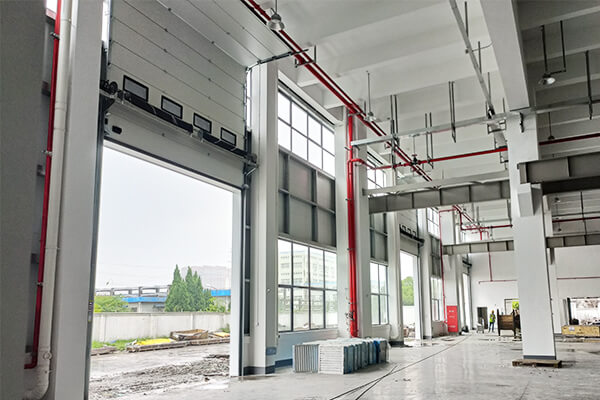
Пример внедрения: утепленные секционные ворота на складе сырья
В высокоточном производстве погрузочная зона склада сырья является критической зоной для контроля качества и управления затратами. Данное исследование демонстрирует, как секционные изолированные доковые двери решают распространенные промышленные проблемы.
Информация о клиенте и ключевые проблемные точки
Крупный завод механического производства в Бразилии столкнулся с тремя основными проблемами на своих погрузочных доках:
- Деградация материалов: Высокий уровень влажности вызывал окисление и ржавчину на дорогостоящих рулонах холоднокатаной стали и прецизионных подшипниках. Это привело к 2% ежемесячному уровню потерь материалов.
- Энергетическая неэффективность: Постоянная работа мощных осушителей и систем ОВиК подрывалась “тепловыми мостами” от неизолированных дверей, вызывая резкий рост счетов за электроэнергию.
- Эксплуатационные простои: Стандартные двери часто выходили из строя из-за высокой частоты движения вилочных погрузчиков, что приводило к более 15 дням закрытия дока ежегодно.
Эксплуатация склада Решение: Изолированные секционные двери
Для решения этих проблем объект установил 40 комплектов высокопроизводительных изолированные секционные ворота. Техническая конфигурация была специально разработана для прохождения энергоаудита EETA:
- Тепловой барьер: Каждая дверь оснащена 50-мм высокоплотными полиуретановыми (ПУ) сэндвич-панелями, обеспечивающими R-значение 16,5+, что эффективно стабилизирует внутренние температуры.
- Герметичное уплотнение: Оснащено двухслойными периметральными уплотнителями из EPDM и сжимаемым нижним воздушным уплотнением для блокировки тропической влаги и пыли.
- Оптимизированный зазор: Сайт система вертикального подъема удерживает Секционные док-двери вне пути движения вилочных погрузчиков, минимизируя риск случайного удара.
Результаты эксплуатации и окупаемость инвестиций
| Показатель | Улучшение данных | Влияние на бизнес |
| Целостность материалов | Снижение на 95% ржавчины/окисления | Сэкономлено около. $120 000/год на бракованном сырье. |
| Энергоэффективность | Снижение на 28% энергопотребления ОВиК | Получена сертификация EETA и доступ к «зеленым» субсидиям. |
| Техническое обслуживание | Снижение на 80% по частоте ремонта | Значительно улучшена пропускная способность погрузочной зоны и логистический поток. |
| Соблюдение требований безопасности | Ноль инцидентов за 12 месяцев | 100% прохождение испытаний на безопасность по датчикам давления. |
Монтаж и обслуживание подъемных секционных ворот
Важность профессиональной установки
Секционные стальные ворота представляют собой сложную систему высоконатяжных пружин и тяжелых панелей. Профессиональная установка необходима, поскольку:
- Точная регулировка
- Калибровка безопасности
- Благодаря созданию полного уплотнения исключается быстрая утечка внутреннего воздуха, что делает этот вариант наиболее эффективным для предотвращения перепадов температуры.
Регулярное техническое обслуживание
Смазка (ежеквартально): наносите высококачественную литиевую смазку на ролики, петли и вал торсионной пружины для снижения трения и шума.
Проверка уплотнений (дважды в год): проверяйте нижние и периметральные уплотнения из EPDM на наличие трещин или сплющивания. Герметичность — ключ к сохранению теплоизоляционных свойств вашего объекта.
Затяжка крепежа: промышленные вибрации со временем могут ослабить болты. Регулярно проверяйте и затягивайте все крепежные элементы на панелях ворот и направляющих кронштейнах.
Устранение распространенных неисправностей
Раннее выявление проблем предотвращает дорогостоящий аварийный ремонт:
Проблема: ворота движутся медленно или неравномерно.
Причина: вероятно, потеря натяжения торсионных пружин или наличие мусора в направляющих.
Проблема: чрезмерный шум при работе.
Причина: изношенные ролики или сухие петли. Замена нейлоновых роликов часто позволяет значительно снизить шум системы.
Проблема: ворота не герметизируются по полу.
Причина: возможна усадка пола или повреждение нижнего защитного уплотнения. Отрегулируйте концевые выключатели на двигателе или замените нижнюю резиновую прокладку.
Как выбрать подходящие секционные стальные ворота
Оценка потребностей вашего объекта
Прежде чем просматривать каталоги, оцените вашу конкретную рабочую среду:
- Интенсивность движения: Сколько раз в час будут открываться ворота? Для зон с высокой нагрузкой требуются пружинные системы “высокого цикла” (50 000+ циклов).
- Зазор и пространство: Измерьте пространство над воротами. Выберите вертикальный подъем если у вас высокие потолки, чтобы направляющие не мешали вилочным погрузчикам.
- Воздействие окружающей среды: Если ваш объект находится в прибрежном бразильском городе (например, Сантос), отдайте предпочтение оцинкованной стали марки 80 с антикоррозийными покрытиями для защиты от окисления морским воздухом.
Сравнение показателей R-value и уровней теплоизоляции
- Стандартное складирование: Панель толщиной 40 мм с значением R около 13 обычно достаточна для общего производства.
- Холодильное хранение и фармацевтика: Для товаров, чувствительных к температуре, выбирайте панели толщиной 60–80 мм с значениями R 18–22.
- Фактор “герметичности”: Помните, что панель с высоким значением R бесполезна без качественных периметральными уплотнителями из EPDM. уплотнений. Убедитесь, что ворота при закрытии создают настоящий герметичный “контур”.
Бюджетные соображения и анализ окупаемости инвестиций
- Первоначальные и долгосрочные затраты: Более дешевые неизолированные ворота могут сэкономить 1000 реалов на начальном этапе, но обойдутся в 3000 реалов ежегодно из-за потерь энергии и ремонта двигателя.
- Окупаемость энергозатрат: В климате Бразилии изолированные ворота часто окупаются в течение 18–24 месяцев за счет снижения счетов за электроэнергию для кондиционирования воздуха.
- Экономия на обслуживании: Инвестиции в качественное оборудование (усиленные направляющие и ролики) сокращают время простоя — самую большую скрытую статью расходов в логистике.
Часто задаваемые вопросы
Вопрос 1: Почему теплоизоляция важна для секционных доковых ворот в климате Бразилии?
О: В Бразилии высокая влажность и тропические температуры могут вызывать конденсацию и тепловое расширение в точном оборудовании. Секционные изолированные доковые ворота с высокоплотным пенополиуретановым сердечником обеспечивают тепловой барьер, стабилизирующий внутреннюю температуру склада, защищающий сырье от коррозии и снижающий затраты на электроэнергию для кондиционирования до 30%.
Вопрос 2: Какое значение R-value рекомендуется для склада механического производства?
О: Для стандартного промышленного хранения оптимально значение R от 12 до 16 (толщина панели примерно 40–50 мм). Однако при хранении точных станков с ЧПУ или термочувствительных химикатов мы рекомендуем панели с R-значением 18–22 (60–80 мм) для обеспечения максимального климат-контроля и соответствия энергетическим стандартам EETA.
Вопрос 3: Каковы требования к обслуживанию для доковых ворот с высокой частотой использования?
О: В производственных центрах с высокой нагрузкой мы рекомендуем ежеквартальное техническое обслуживание. Оно включает смазку торсионных пружин, проверку герметичности периметральных уплотнений из EPDM и тестирование датчиков безопасности.
Вопрос 4: Соответствуют ли эти ворота международным стандартам безопасности для экспорта из Бразилии?
О: Безусловно. Наши ворота производятся в соответствии со стандартами ISO 9001 и CE по безопасности. Они включают такие важные функции безопасности, как защита от разрыва пружины, устройства от обрыва троса и беспроводные защитные кромки для обеспечения безопасной рабочей среды для операторов вилочных погрузчиков и складского персонала.