
تواصل معنا عبر واتساب: 8618036828007


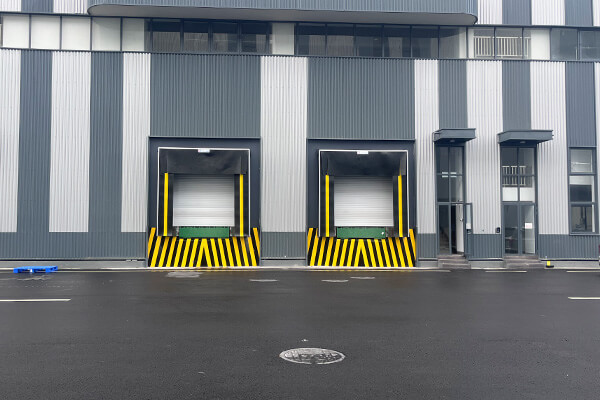
现代仓储与物流运营涉及广泛的日常活动,包括货物装载、卡车卸货、叉车移动以及仓库作业。物流安全已成为 现代仓库管理, 的重要组成部分,帮助企业在提升运营效率的同时降低工作场所风险。.
传统上,仓库安全管理侧重于基本防护措施,如员工培训、个人防护装备(PPE)和安全规程。然而,仅靠个人防护无法消除装卸区域的所有风险。仓库仍面临潜在危险,包括卡车移动事故、叉车碰撞、装卸平台边缘坠落以及货物搬运伤害。.
在这些解决方案中,装卸平台设备在创造更安全、更高效的工作环境方面发挥着重要作用。本文探讨了装卸平台设备如何在物流运营中保护仓库工人。.
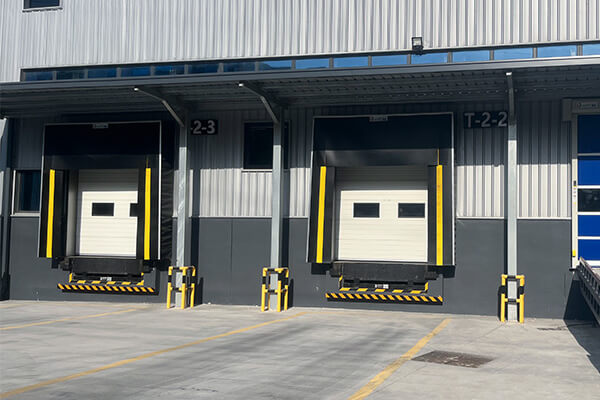
物流安全在仓库运营中的重要性
从配送中心和制造设施到冷链仓库,日常物流活动涉及货物、车辆和工人的持续移动。缺乏有效的安全管理,风险可能导致工作场所伤害、设备损坏和运营中断。.
对于在 物流行业安全, 领域运营的公司而言,改善工作场所保护意味着创造一个精心设计的工作环境。仓库运营中的主要安全风险通常集中在三个关键区域:
货物装卸风险
货物装卸是物流运营中最频繁的活动之一。每天,仓库工人在卡车与存储区域之间处理不同类型的货物,通常使用叉车、托盘搬运车及其他物料搬运设备。.
常见风险包括:
- 手部伤害 在人工货物搬运过程中
- 滑倒与坠落事故 由不稳定的装卸区域引起
- 设备损坏 由于不当的货物转移
为提升物流安全,仓库需要可靠的装卸解决方案,在车辆与设施之间建立稳定连接。诸如 تزامن منصات الأرصفة الهيدروليكية 的设备可以帮助弥合卡车与仓库地板之间的高度差,使叉车和货物在装卸作业中更安全、更顺畅地移动。.
叉车与车辆移动危险
叉车和配送车辆是现代仓库运营的重要组成部分。然而,频繁的车辆移动也带来了潜在的安全挑战,尤其是在繁忙的装卸平台区域。.
常见风险包括:
- 叉车交通
- عمليات الاقتراب من الرصيف
- وضع غير صحيح للمركبة
تنفيذ حلول مناسبة حلول سلامة لوجستية, مثل مثبتات المركبات، ومظلات الرصيف، والحواجز الواقية، ومعدات الرصيف المصممة بشكل صحيح، يمكن أن تساعد في التحكم في حركة المركبات وخلق بيئة عمل أكثر أمانًا.
仓库出入口风险
مداخل المستودعات وأرصفة التحميل هي مناطق حيوية حيث يتفاعل الأشخاص والمركبات والبضائع بشكل متكرر. وباعتبارها حلقة الوصل بين العمليات الداخلية للمستودع والنقل الخارجي، تتطلب نقاط الوصول إدارة فعالة للسلامة.
بدون حماية مناسبة، قد تواجه مداخل المستودعات تحديات مثل:
- دخول غير منضبط للمركبات
- فقدان الطاقة الناتج عن الأبواب المفتوحة
- زيادة التعرض للطقس والغبار والظروف الخارجية
نقطة وصول أكثر أمانًا للمستودع تتطلب:
受控出入
تساعد الأبواب الصناعية وأنظمة التحكم في الوصول في تنظيم حركة المركبات والأفراد، مما يقلل من المخاطر غير الضرورية في مناطق التشغيل المزدحمة.
稳定的装卸连接
توفر معدات رصيف التحميل، بما في ذلك معادلات الرصيف ومظلات الرصيف، انتقالًا آمنًا بين الشاحنات والمستودعات، مما يحسن سلامة العمال وكفاءة مناولة البضائع.
可靠的仓库门
تساعد الأبواب المقطعية عالية الجودة للمستودعات في إنشاء عمليات فتح وإغلاق محكومة مع دعم عمليات لوجستية آمنة وفعالة.
من خلال معالجة هذه المخاطر في مناطق مناولة البضائع ومناطق حركة المركبات ومداخل المستودعات، يمكن للشركات بناء استراتيجية 物流行业安全 أكثر اكتمالًا. يساعد الجمع بين وعي الموظفين، ومعدات الحماية الشخصية، ومعدات رصيف التحميل الاحترافية المستودعات على تحقيق عمليات أكثر أمانًا مع الحفاظ على الإنتاجية.
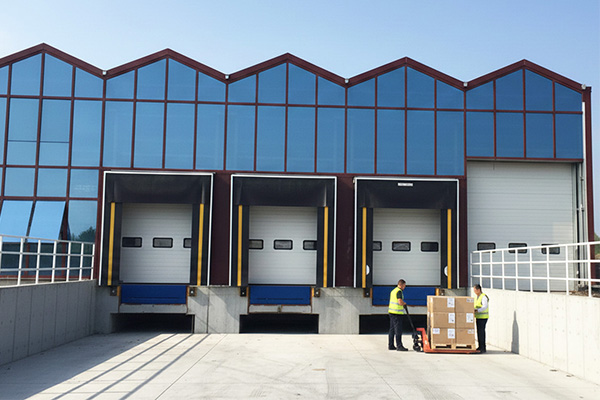
装卸平台设备如何提升物流安全
装卸平台调节板:在卡车与仓库之间建立更安全的连接
A معادل الرصيف هو مكون أساسي في أنظمة رصيف التحميل الحديثة. فهو ينشئ جسرًا آمنًا ومستقرًا بين أرضية المستودع وسطح الشاحنة، مما يسمح للرافعات الشوكية ومعدات مناولة المواد بالتحرك بسلاسة أثناء عمليات التحميل والتفريغ.
نظرًا لأن الشاحنات المختلفة قد يكون لها ارتفاعات مختلفة لسطح التحميل، فقد تحدث فجوة أو اختلاف في الارتفاع بين المركبة ورصيف المستودع. بدون تعديل مناسب، قد تواجه الرافعات الشوكية حركة غير مستقرة، مما يزيد من خطر الحوادث أثناء نقل البضائع.
تساعد معادلات الرصيف الهيدروليكية في حل التحديات الشائعة لرصيف التحميل، بما في ذلك:
- اختلافات ارتفاع سطح الشاحنة
- حركة غير مستقرة للرافعة الشوكية
- مخاطر نقل البضائع
装卸平台调节板在物流安全中的优势
- تشغيل مستقر للرافعة الشوكية
- مناولة بضائع أكثر أمانًا
بالنسبة للمستودعات التي تتعامل مع شحنات متكررة، يمكن أن يؤدي الاستثمار في أنظمة معادلات الرصيف الهيدروليكية الموثوقة إلى تحسين كبير في كل من الكفاءة التشغيلية وسلامة العمليات اللوجستية.
装卸平台门封:减少装卸作业中的外部风险
تتعرض أرصفة التحميل مباشرة للبيئات الخارجية، مما يجعلها عرضة للظروف الجوية وتغيرات درجات الحرارة والتلوث الخارجي. يساعد مظلة الرصيف والختم في إنشاء اتصال محكوم بين الشاحنات ومداخل المستودعات، مما يحسن سلامة رصيف التحميل أثناء العمليات اليومية.
تم تصميم مظلات الرصيف من أجل:
- سد الفجوة بين الشاحنات والمستودعات
- حماية العمال من الظروف الجوية
- تحسين بيئة التحميل
أثناء تحميل الشاحنات، تساعد مظلات رصيف المستودع في تقليل التعرض لـ:
- الأمطار والرياح
- تقلبات درجات الحرارة
- الغبار والتلوث الخارجي
على سبيل المثال، في عمليات اللوجستيات المبردة، يمكن أن يؤدي الفتح المتكرر لأبواب المستودع إلى فقدان درجة الحرارة والتأثير على جودة المنتج. تساعد مظلات الرصيف في الحفاظ على بيئة تحميل أكثر استقرارًا مع تحسين راحة العمال وسلامة التشغيل.
من خلال الجمع بين مظلات الرصيف ومعدات رصيف التحميل الأخرى، يمكن للشركات إنشاء مناطق تحميل أكثر أمانًا وتحكمًا تدعم إدارة سلامة المستودعات على المدى الطويل.
分段门:提升仓库出入安全
مداخل المستودعات هي نقاط انتقال مهمة بين العمليات الداخلية والنقل الخارجي. يساعد الباب القطاعي موثوق في تحسين سلامة المستودع من خلال توفير وصول محكوم، وحماية أفضل، وتشغيل فعال.
مقارنة بالأبواب اليدوية التقليدية، تم تصميم الأبواب المقطعية الصناعية الحديثة للاستخدام اليومي المتكرر مع دعم إدارة مستودعات أكثر أمانًا.
تشمل المزايا الرئيسية للسلامة:
- فتح وإغلاق محكوم
- تقليل الدخول غير المصرح به
- تحسين العزل الحراري
工业分段门的安全特性
- حافة الأمان: تعمل حافة الأمان على اكتشاف العوائق أثناء إغلاق الباب وتقوم فورًا بإيقاف الحركة أو عكس اتجاهها، مما يقلل من خطر الإصابة أو تلف المعدات.
- جهاز منع السقوط: يوفر نظام الحماية من السقوط منعًا للحركة غير المنضبطة للباب الناتجة عن عطل في الزنبرك أو الكابل، مما يعزز سلامة المشغل.
- نوافذ الرؤية (Vision Panels): تعمل ألواح الرؤية على تحسين الرؤية من خلال الباب، مما يسمح للعمال ومشغلي الرافعات الشوكية برؤية حركة المرور المقتربة وتقليل مخاطر الاصطدام.
بالنسبة للمستودعات ومصانع التصنيع ومراكز التوزيع، يعد اختيار معدات تحميل الرصيف المناسبة خطوة مهمة نحو تحسين العمليات اللوجستية. من خلال الجمع بين موازنات الرصيف، وملاجئ الرصيف، والأبواب المقطعية، يمكن للشركات تقليل مخاطر مكان العمل، وتحسين كفاءة مناولة البضائع، وخلق بيئة عمل أكثر أمانًا للموظفين.
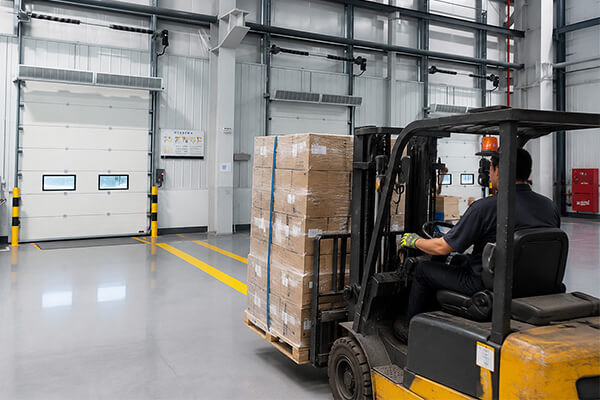
个人防护装备与装卸平台设备:完整的物流安全方案
بينما تساعد معدات تحميل الرصيف في تقليل المخاطر التشغيلية من خلال تحسين الاتصال بين الشاحنات والمستودعات،, معدات الحماية الشخصية (PPE) تلعب دورًا مهمًا بنفس القدر في حماية العمال الأفراد. يجب أن تدمج استراتيجية سلامة لوجستية كاملة بين معدات الحماية الشخصية، وإجراءات التحميل المناسبة، ومعدات السلامة المهنية لتقليل حوادث مكان العمل.
个人防护装备(PPE)在仓库安全中的作用
توفر معدات الحماية الشخصية طبقة إضافية من الحماية للموظفين أثناء العمليات اللوجستية اليومية. اعتمادًا على بيئة العمل والمهام المحددة، تشمل معدات الحماية الشخصية الشائعة المستخدمة في المستودعات ما يلي:
安全手套
يتعامل موظفو المستودعات بشكل متكرر مع أنواع مختلفة من البضائع ومواد التغليف ومكونات الشحنات. خلال هذه الأنشطة، تتعرض الأيدي لمخاطر محتملة مثل الحواف الحادة والأسطح الخشنة ومهام المناولة المتكررة.
بالنسبة لعمال المستودعات المشاركين في مناولة البضائع، يعد اختيار 安全手套 المناسب جزءًا مهمًا من الحماية الشخصية.
安全鞋
تعتبر إصابات القدم مصدر قلق شائع آخر في بيئات المستودعات حيث يعمل الموظفون حول البضائع الثقيلة ومعدات مناولة المواد.
高可见度服装
غالبًا ما تتضمن المستودعات تفاعلًا بين المشاة والرافعات الشوكية ومركبات التوصيل. تساعد الملابس عالية الرؤية في تحسين رؤية العامل، خاصة في أرصفة التحميل المزدحمة ومراكز التوزيع. من خلال تسهيل التعرف على العمال، تدعم الملابس عالية الرؤية تواصلًا أكثر أمانًا بين المشغلين والمشاة.
将个人防护装备与装卸平台设备结合以实现更好的物流安全
على الرغم من أن معدات الحماية الشخصية تحمي العمال من مخاطر الإصابة الشخصية، إلا أنها لا تستطيع حل كل تحدٍ في عمليات المستودعات. على سبيل المثال، يمكن للقفازات الواقية حماية الأيدي أثناء مناولة البضائع، لكنها لا تستطيع منع الحوادث الناجمة عن وضع الشاحنة غير المستقر، أو انتقالات الرصيف غير الآمنة، أو ضعف التحكم في دخول المستودع.
لهذا السبب تحتاج المستودعات الحديثة إلى الجمع بين:
- معدات الحماية الشخصية (PPE)
- معدات تحميل رصيف موثوقة
- إجراءات مكان عمل آمنة
معدات مثل موازنات الرصيف، وملاجئ الرصيف، والأبواب المقطعية تساعد في خلق بيئة تشغيل أكثر أمانًا من خلال تقليل المخاطر في نقاط التحميل، وتحسين استقرار نقل البضائع، والتحكم في دخول المستودع. إلى جانب تدابير حماية الموظفين، تخلق هذه الحلول نهجًا أكثر اكتمالًا لـ العمليات اللوجستية.
给仓库管理人员的实用物流安全建议
لتحسين الحماية في مكان العمل والحفاظ على العمليات الفعالة، يجب على مديري المستودعات مراعاة نصائح السلامة اللوجستية التالية:
定期评估装卸区域的风险
تحديد المخاطر المحتملة المتعلقة بـ:
- 叉车交通
- حركة الشاحنات
- عمليات مناولة البضائع
- مداخل المستودعات
تساعد تقييمات المخاطر المنتظمة الشركات في اختيار معدات السلامة المناسبة وتحسين إجراءات العمل.
提供适当的个人防护装备培训
يجب أن يفهم الموظفون:
- متى تكون معدات الحماية الشخصية مطلوبة
- كيفية استخدام معدات الحماية بشكل صحيح
- كيفية تحديد مخاطر مكان العمل
يضمن التدريب المناسب أن معدات الحماية الشخصية يمكنها دعم إدارة السلامة اليومية بشكل فعال.
维护装卸平台设备
الفحص والصيانة المنتظمة لـ:
- أجهزة تسوية الأرصفة
- مظلات الرصيف
- أبواب صناعية
يمكنها المساعدة في ضمان تشغيل المعدات بأمان وموثوقية.
من خلال الجمع بين حماية معدات الحماية الشخصية وحلول تحميل الرصيف المهنية، يمكن للمستودعات بناء بيئة لوجستية أكثر أمانًا وكفاءة. نهج كامل لـ السلامة في الخدمات اللوجستية لا يحمي الموظفين فحسب، بل يدعم أيضًا العمليات المستمرة، ويقلل من وقت التوقف، ويحسن أداء المستودع بشكل عام.
الخلاصة
في عمليات المستودعات والتوزيع الحديثة، لم تعد السلامة اللوجستية مقتصرة على تدريب الموظفين أو الحماية الشخصية. بالنسبة للمستودعات ومصانع التصنيع ومراكز التوزيع، فإن الاستثمار في معدات الرصيف الموثوقة ليس مجرد تحسين للسلامة بل هو أيضًا استراتيجية طويلة الأجل لتحسين الإنتاجية والموثوقية التشغيلية.
الأسئلة الشائعة
装卸平台区域最常见的物流安全风险有哪些?
تعتبر أرصفة التحميل من أكثر المناطق عالية المخاطر في عمليات المستودعات. تشمل المخاطر الشائعة ما يلي:
- حوادث الرافعات الشوكية الناجمة عن انتقالات الرصيف غير المستقرة
- حركة الشاحنات أثناء التحميل والتفريغ
- سقوط العمال من حواف الرصيف
- إصابات مناولة البضائع
- ضعف الرؤية بين المركبات والمشاة
استخدام حلول سلامة لوجستية, المناسبة، مثل موازنات الرصيف، وملاجئ الرصيف، ومثبتات المركبات، والأبواب الصناعية، يمكن أن يساعد في تقليل هذه المخاطر.
物流管理如何利用安全审计和安全检查来提升安全绩效?
تساعد عمليات تدقيق السلامة وتفتيش السلامة إدارة الخدمات اللوجستية في تحديد الثغرات في ممارسات السلامة، وقياس أداء السلامة، وتحديد أولويات الإجراءات التصحيحية. قم بإجراء عمليات تدقيق مجدولة ومنتظمة بالإضافة إلى عمليات تفتيش مفاجئة، وقم بتوثيق النتائج في سجل سلامة، وتتبع الإجراءات التصحيحية، وراجع النتائج أثناء اجتماعات السلامة. يؤدي دمج نتائج التدقيق مع برنامج السلامة واستخدامها لتحديث برامج التدريب وبروتوكولات السلامة إلى دفع التحسينات المستمرة للسلامة والالتزام بمعايير السلامة.
应对货运承运人和司机执行哪些车辆安全与卡车安全措施?
تشمل تدابير سلامة المركبات فحوصات ما قبل الرحلة، وجداول الصيانة، وسياسات تأمين الحمولة، والتسجيل الإلكتروني لساعات الخدمة، وتدريب السائقين على السلامة مع التركيز على القيادة الدفاعية وإدارة الإرهاق. يؤدي تطبيق تقنيات سلامة الشاحنات مثل أنظمة الاتصالات عن بعد للمراقبة في الوقت الفعلي، وأنظمة تجنب الاصطدام، وبروتوكولات السلامة الواضحة لتحميل وتفريغ الشحنات إلى تقليل الحوادث. يعد ضمان الامتثال للوائح سلامة النقل والحفاظ على سجل سلامة قوي أمرًا بالغ الأهمية أيضًا.
物流公司如何将安全规程与安全政策融入日常工作流程以确保安全合规?
يمكن لشركات الخدمات اللوجستية دمج بروتوكولات السلامة في إجراءات التشغيل القياسية، وجعل قوائم التحقق من السلامة إلزامية للعمليات، وتضمين إحاطات السلامة أثناء تغيير المناوبات. كما أن تضمين سياسات السلامة في سير العمل الرقمي، واستخدام التنبيهات الفورية للحالات غير الآمنة، ومحاسبة الفرق من خلال المقاييس ومراجعات الأداء يضمن الالتزام بها. ويساهم التدريب والتواصل المنتظم والالتزام القيادي في تعزيز سياسات السلامة وتعزيز الامتثال المستمر لمتطلبات السلامة.
技术与实时数据在物流与供应链的安全与风险管理中扮演什么角色?
تتيح التكنولوجيا والبيانات في الوقت الفعلي إدارة استباقية للسلامة والمخاطر من خلال توفير رؤية واضحة لموقع المركبات، وسلوك السائقين، والظروف البيئية، وحالة البضائع. كما تدعم أنظمة التتبع عن بُعد، وتحسين المسارات، والإبلاغ الرقمي عن الحوادث استجابة أسرع لقضايا السلامة واتخاذ قرارات أفضل. ويساعد استخدام التحليلات لتحديد الاتجاهات في تحقيق تحسينات مستهدفة في السلامة، والصيانة التنبؤية، وتحديثات قائمة على الأدلة لبرامج السلامة وأفضل الممارسات في مجال الخدمات اللوجستية والنقل.
组织如何在整个物流与供应链管理中促进安全卓越与持续安全改进?
يتطلب تعزيز التميز في السلامة التزامًا قياديًا بثقافة السلامة، والاستثمار في التدريب وبرامج السلامة، ومبادرات سلامة قابلة للقياس. كما ينبغي تشجيع مشاركة الموظفين في لجان السلامة، واستخدام عمليات تدقيق السلامة والرؤى المستندة إلى البيانات، ومكافأة الالتزام بإجراءات السلامة. ويجب مراجعة وتحديث السياسات والإجراءات باستمرار، وضمان الامتثال للوائح السلامة، وإعطاء الأولوية لكل من الإجراءات الوقائية والتصحيحية لتحقيق تحسينات طويلة الأجل في السلامة وأداء متميز في هذا المجال.