월 - 토 : 오전 9시 - 오후 7시 일요일은 휴무입니다.

Modern warehouse and logistics operations involve a wide range of daily activities, including cargo loading, truck unloading, forklift movement, and warehouse operations. Logistics safety has become an essential part of modern warehouse management, helping companies reduce workplace risks while improving operational efficiency.
Traditionally, warehouse safety management has focused on basic protective measures such as employee training, Personal Protective Equipment (PPE), and safety procedures. However, personal protection alone cannot eliminate all risks in loading and unloading areas. Warehouses still face potential hazards, including truck movement accidents, forklift collisions, dock edge falls, and cargo handling injuries.
Among these solutions, loading dock equipment plays an important role in creating a safer and more efficient working environment. This article explores how loading dock equipment protects warehouse workers during logistics operations.

목차
- 1 Why Logistics Safety Matters in Warehouse Operations
- 2 How Loading Dock Equipment Improves Logistics Safety
- 3 PPE and Loading Dock Equipment: A Complete Logistics Safety Approach
- 4 Practical Logistics Safety Tips for Warehouse Managers
- 5 결론
- 6 자주 묻는 질문
- 6.1 What are the most common logistics safety risks in loading dock areas?
- 6.2 How can logistics management use safety audits and safety inspections to improve safety performance?
- 6.3 What vehicle safety and truck safety measures should be enforced for freight carriers and drivers?
- 6.4 How do logistics companies incorporate safety protocols and safety policies into daily workflows to ensure safety compliance?
- 6.5 What role do technology and real-time data play in safety and risk management for logistics and supply chain?
- 6.6 How can organizations foster safety excellence and continuous safety improvements across logistics and supply chain management?
Why Logistics Safety Matters in Warehouse Operations
From distribution centers and manufacturing facilities to cold chain warehouses, daily logistics activities involve continuous movement of goods, vehicles, and workers. Without effective safety management, risks can lead to workplace injuries, equipment damage, and operational interruptions.
For companies operating in the safety in logistics industry, improving workplace protection is creating a well-designed working environment. The main safety risks in warehouse operations are often concentrated in three critical areas:
Cargo Loading and Unloading Risks
Cargo loading and unloading are among the most frequent activities in logistics operations. Every day, warehouse workers handle different types of goods between trucks and storage areas, often using forklifts, pallet trucks, and other material handling equipment.
Common risks include:
- Hand injuries during manual cargo handling
- Slip and fall accidents caused by unstable loading areas
- Equipment damage due to improper cargo transfer
To improve logistics safety, warehouses need reliable loading solutions that create a stable connection between vehicles and facilities. Equipment such as 유압식 도크 레벨러 can help bridge height differences between trucks and warehouse floors, allowing forklifts and goods to move more safely and smoothly during loading and unloading operations.
Forklift and Vehicle Movement Hazards
Forklifts and delivery vehicles are essential parts of modern warehouse operations. However, frequent vehicle movement also creates potential safety challenges, especially in busy loading dock areas.
Common risks include:
- Forklift traffic
- Dock approach operations
- Incorrect vehicle positioning
Implementing suitable logistics safety solutions, such as vehicle restraints, dock shelters, safety barriers, and properly designed loading dock equipment, can help control vehicle movement and create a safer working environment.
Warehouse Access Point Risks
Warehouse entrances and loading docks are critical areas where people, vehicles, and goods frequently interact. As the connection between internal warehouse operations and external transportation, access points require effective safety management.
Without proper protection, warehouse entrances may face challenges such as:
- Uncontrolled vehicle access
- Energy loss caused by open doors
- Increased exposure to weather, dust, and external conditions
A safer warehouse access point requires:
Controlled Access
Industrial doors and access control systems help regulate the movement of vehicles and personnel, reducing unnecessary risks in busy operational areas.
Stable Loading Connection
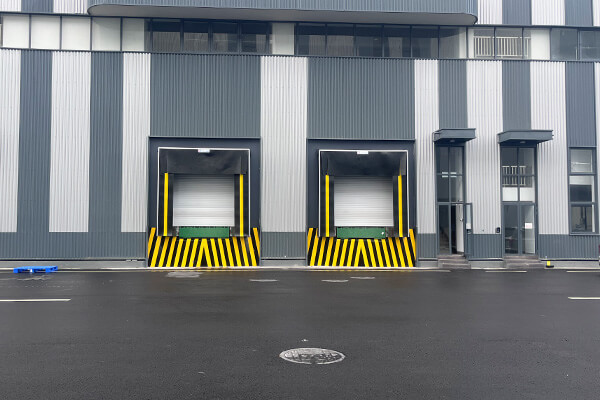
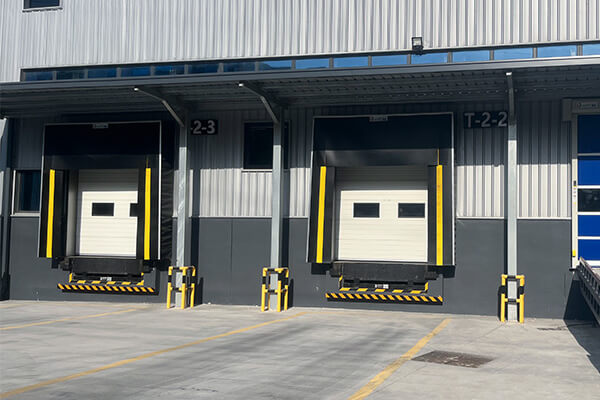
Loading dock equipment, including dock levelers and dock shelters, provides a secure transition between trucks and warehouses, improving both worker safety and cargo handling efficiency.
Reliable Warehouse Doors
High-quality warehouse sectional doors, help create controlled opening and closing processes while supporting safe and efficient logistics operations.
By addressing these risks at cargo handling areas, vehicle movement zones, and warehouse entrances, companies can build a more complete safety in logistics industry strategy. A combination of employee awareness, PPE protection, and professional loading dock equipment helps warehouses achieve safer operations while maintaining productivity.

How Loading Dock Equipment Improves Logistics Safety
Dock Levelers: Create a Safer Connection Between Trucks and Warehouses
A 도크 레벨러 is an essential component in modern loading dock systems. It creates a safe and stable bridge between the warehouse floor and the truck bed, allowing forklifts and material handling equipment to move smoothly during loading and unloading operations.
Because different trucks may have different bed heights, a gap or height difference can occur between the vehicle and the warehouse dock. Without proper adjustment, forklifts may experience unstable movement, increasing the risk of accidents during cargo transfer.
Hydraulic Dock levelers help solve common loading dock challenges, including:
- Truck bed height differences
- Unstable forklift movement
- Cargo transfer risks
The advantages of dock levelers in logistics safety
- Stable Forklift Operation
- Safer Cargo Handling
For warehouses handling frequent shipments, investing in reliable hydraulic dock leveler systems can significantly improve both operational efficiency and logistics safety.
Dock Shelters: Reduce External Risks During Loading Operations
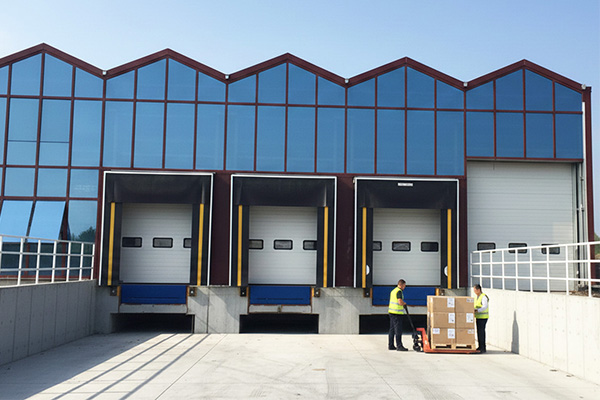
Loading docks are directly exposed to outdoor environments, making them vulnerable to weather conditions, temperature changes, and external contamination. A dock shelter and seal helps create a controlled connection between trucks and warehouse entrances, improving loading dock safety during daily operations.
Dock shelters are designed to:
- Seal the gap between trucks and warehouses
- Protect workers from weather conditions
- Improve the loading environment
During truck loading, warehouse dock shelters help reduce exposure to:
- Rain and wind
- Temperature fluctuations
- Dust and external contamination
For example, in refrigerated logistics operations, frequent opening of warehouse doors can lead to temperature loss and affect product quality. Dock shelters help maintain a more stable loading environment while improving worker comfort and operational safety.
By combining dock shelters with other loading dock equipment, companies can create safer and more controlled loading areas that support long-term warehouse safety management.
Sectional Doors: Improve Warehouse Access Safety
Warehouse entrances are important transition points between internal operations and external transportation. A reliable 섹셔널 도어 helps improve warehouse safety by providing controlled access, better protection, and efficient operation.
Compared with traditional manual doors, modern industrial sectional doors are designed for frequent daily use while supporting safer warehouse management.
The main safety advantages include:
- Controlled Opening and Closing
- Reduce Unauthorized Access
- Improve Thermal Insulation
Safety Features of Industrial Sectional Doors
- Safety Edge: The safety edge detects obstacles during door closing and immediately stops or reverses the movement, reducing the risk of injury or equipment damage.
- Anti-Drop Device: An anti-drop protection system prevents uncontrolled door movement caused by spring or cable failure, improving operator safety.
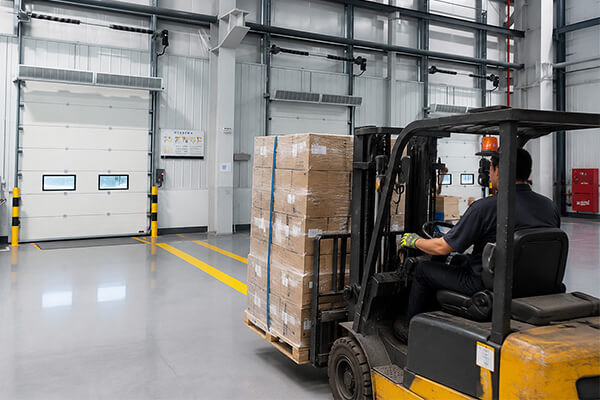
- 비전 패널(시야창): Vision panels improve visibility through the door, allowing workers and forklift operators to see approaching traffic and reduce collision risks.
For warehouses, manufacturing plants, and distribution centers, selecting suitable loading dock equipment is an important step toward improving logistics safety. By combining dock levelers, dock shelters, and sectional doors, businesses can reduce workplace risks, improve cargo handling efficiency, and create a safer working environment for employees.

PPE and Loading Dock Equipment: A Complete Logistics Safety Approach
While loading dock equipment helps reduce operational risks by improving the connection between trucks and warehouses, Personal Protective Equipment (PPE) plays an equally important role in protecting individual workers. A complete logistics safety strategy should integrate PPE, proper loading procedures, and professional safety equipment to minimize workplace accidents.
The Role of Personal Protective Equipment (PPE) in Warehouse Safety
Personal Protective Equipment provides an additional layer of protection for employees during daily logistics operations. Depending on the working environment and specific tasks, common PPE used in warehouses includes:
Safety Gloves
Warehouse employees frequently handle different types of goods, packaging materials, and cargo components. During these activities, hands are exposed to potential risks such as sharp edges, rough surfaces, and repetitive handling tasks.
For warehouse workers involved in cargo handling, choosing suitable Safety Gloves is an important part of personal protection.
Safety Shoes
Foot injuries are another common concern in warehouse environments where employees work around heavy cargo and material handling equipment.
High Visibility Clothing
Warehouses often involve interaction between pedestrians, forklifts, and delivery vehicles. High visibility clothing helps improve worker visibility, especially in busy loading docks and distribution centers. By making workers easier to identify, high visibility clothing supports safer communication between operators and pedestrians.
Combining PPE with Loading Dock Equipment for Better Logistics Safety
Although PPE protects workers from personal injury risks, it cannot solve every challenge in warehouse operations. For example, safety gloves can protect hands during cargo handling, but they cannot prevent accidents caused by unstable truck positioning, unsafe dock transitions, or poor warehouse access control.
This is why modern warehouses need to combine:
- Personal Protective Equipment (PPE)
- Reliable loading dock equipment
- Safe workplace procedures
Equipment such as dock levelers, dock shelters, and sectional doors helps create a safer operational environment by reducing risks at loading points, improving cargo transfer stability, and controlling warehouse access. Together with employee protection measures, these solutions create a more complete approach to logistics safety.
Practical Logistics Safety Tips for Warehouse Managers
To improve workplace protection and maintain efficient operations, warehouse managers should consider the following logistics safety tips:
Evaluate Risks in Loading Areas Regularly
Identify potential hazards related to:
- Forklift traffic
- Truck movement
- Cargo handling processes
- Warehouse entrances
Regular risk assessments help companies select suitable safety equipment and improve working procedures.
Provide Proper PPE Training
Employees should understand:
- When PPE is required
- How to use protective equipment correctly
- How to identify workplace hazards
Proper training ensures PPE can effectively support daily safety management.
Maintain Loading Dock Equipment
Regular inspection and maintenance of:
- 도크 레벨러
- 는 강한 적설압에도 견딜 수 있습니다. 바람, 비, 먼지를 차단하고 뜨거운 외부 공기를 막아 냉장 창고의 차가운 내부 공기를 보존하는 역할을 합니다. 또한 작업 환경을 개선하고 창고 내 에너지 절약 및 운영 효율성 향상에 기여합니다.
- 산업용 도어
They can help ensure equipment operates safely and reliably.
By combining PPE protection with professional loading dock solutions, warehouses can build a safer and more efficient logistics environment. A complete approach to safety in logistics not only protects employees but also supports continuous operations, reduces downtime, and improves overall warehouse performance.
결론
In modern warehouse and distribution operations, logistics safety is no longer limited to employee training or personal protection. For warehouses, manufacturing plants, and distribution centers, investing in reliable dock equipment is not only a safety improvement but also a long-term strategy for improving productivity and operational reliability.
자주 묻는 질문
What are the most common logistics safety risks in loading dock areas?
Loading docks are one of the highest-risk areas in warehouse operations. Common hazards include:
- Forklift accidents caused by unstable dock transitions
- Truck movement during loading and unloading
- Workers falling from dock edges
- Cargo handling injuries
- Poor visibility between vehicles and pedestrians
Using suitable logistics safety solutions, such as dock levelers, dock shelters, vehicle restraints, and industrial doors, can help reduce these risks.
How can logistics management use safety audits and safety inspections to improve safety performance?
Safety audits and safety inspections help logistics management identify gaps in safety practices, measure safety performance, and prioritize corrective actions. Conduct regular and scheduled audits as well as spot inspections, document findings in a safety record, track corrective actions, and review outcomes during safety meetings. Integrating audit results with a safety program and using them to update training programs and safety protocols drives continuous safety improvements and adherence to safety standards.
What vehicle safety and truck safety measures should be enforced for freight carriers and drivers?
Vehicle safety measures include pre-trip inspections, maintenance schedules, load securement policies, electronic logging for hours of service, and driver safety training focused on defensive driving and fatigue management. Implementing truck safety technologies like telematics for real-time monitoring, collision avoidance systems, and clear safety protocols for loading and unloading freight reduces incidents. Ensuring compliance with transportation safety regulations and maintaining a strong safety record are also critical.
How do logistics companies incorporate safety protocols and safety policies into daily workflows to ensure safety compliance?
Logistics companies can integrate safety protocols into standard operating procedures, make safety checklists mandatory for operations, and include safety briefings at shift changes. Embedding safety policies into digital workflows, using real-time alerts for unsafe conditions, and holding teams accountable through metrics and performance reviews ensures adherence. Training, regular communication, and leadership commitment help reinforce safety policies and promote consistent compliance with safety requirements.
What role do technology and real-time data play in safety and risk management for logistics and supply chain?
Technology and real-time data enable proactive safety and risk management by providing visibility into vehicle location, driver behavior, environmental conditions, and cargo status. Telematics, route optimization, and digital incident reporting support faster responses to safety issues and better decision-making. Using analytics to identify trends supports targeted safety improvements, predictive maintenance, and evidence-based updates to safety programs and best practices for logistics and transportation.
How can organizations foster safety excellence and continuous safety improvements across logistics and supply chain management?
Fostering safety excellence requires leadership commitment to a culture of safety, investment in safety training and programs, and measurable safety initiatives. Encourage employee involvement in safety committees, use safety audits and data-driven insights, and reward adherence to safety measures. Consistently review and update policies and procedures, ensure compliance with safety regulations, and prioritize both preventive and corrective actions to achieve long-term safety improvements and superior safety performance.