
Contattaci su WhatsApp: 8618036828007


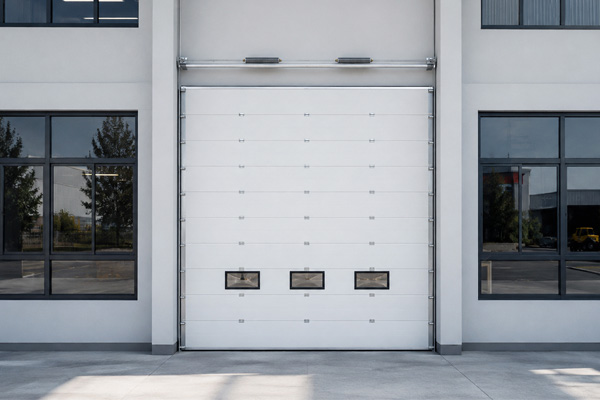
Nei nuovi stabilimenti di produzione di acqua in bottiglia, l'Area di Ricevimento è un punto nevralgico per l'accettazione delle materie prime e la spedizione dei prodotti finiti. L'elevato traffico veicolare richiede soluzioni efficienti, igieniche e a temperatura controllata. Di conseguenza, molti impianti stanno ora adottando una soluzione specializzata di banchina di carico per le loro Aree di Ricevimento: Porte Industriali Sezionali Isolate.
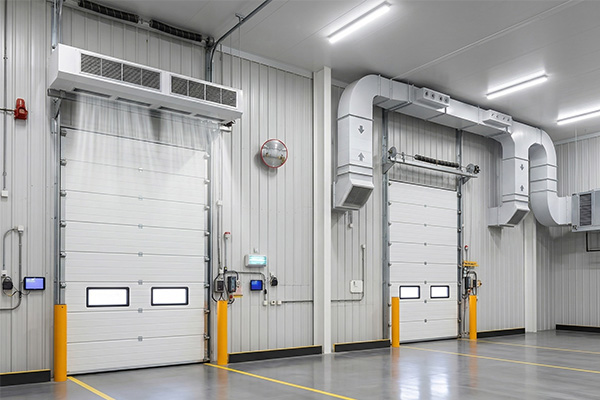
Perché le Aree di Ricevimento degli Stabilimenti di Acqua in Bottiglia Richiedono Porte Specializzate
L'area di ricevimento in uno stabilimento di acqua in bottiglia è fondamentalmente diversa da un magazzino industriale standard. Opera in condizioni di traffico ad alta frequenza, rigorosi standard igienici e flusso logistico continuo. Se si utilizzano saracinesche tradizionali o porte industriali di base, in genere sorgono diversi problemi, tra cui grave perdita di calore, bassa efficienza dei carrelli elevatori, infiltrazione di polvere e consumo energetico non necessario.
Per questo motivo, Porte Industriali Sezionali Isolate sono diventate una soluzione standard per gli ambienti moderni delle banchine di ricevimento.
Movimentazione ad Alta Frequenza di Carrelli Elevatori e Pallet
Negli impianti di produzione di acqua in bottiglia, l'area di ricevimento gestisce ogni giorno un flusso costante di merci pallettizzate, tra cui preforme, tappi per bottiglie, film per imballaggio e materiali in cartone. Questi materiali sono tipicamente movimentati da carrelli elevatori, il che pone richieste estremamente elevate in termini di velocità di apertura della porta, larghezza del passaggio e durata complessiva.
I sistemi di porte tradizionali spesso creano colli di bottiglia operativi in ambienti ad alto traffico:
- Cicli di apertura e chiusura lenti che riducono l'efficienza dei carrelli elevatori
- Scarsa stabilità strutturale che può portare a deformazioni dopo un uso prolungato
- Frequente intervento manuale che aumenta i costi di manodopera e operativi
Al contrario, Porte Industriali Sezionali Isolate utilizzano un sistema di sollevamento a guide verticali che consente un'apertura rapida e un funzionamento stabile. Ciò riduce significativamente i tempi di attesa dei carrelli elevatori e migliora la produttività complessiva del magazzino. Per gli stabilimenti di acqua in bottiglia ad alto volume, questo miglioramento delle prestazioni è fondamentale per mantenere un flusso logistico continuo.
Controllo della Temperatura ed Efficienza Energetica
Sebbene l'acqua in bottiglia sia tipicamente conservata a temperatura ambiente, gli ambienti di produzione e magazzino richiedono comunque un controllo climatico interno stabile, specialmente in regioni con caldo estremo estivo o freddo invernale. L'area di ricevimento, a causa dei suoi frequenti cicli di apertura delle porte, è una delle principali fonti di perdita energetica nell'intero sistema di magazzino.
Senza un adeguato isolamento, sono comuni i seguenti problemi:
- Rapida perdita di aria raffreddata o riscaldata
- Aumento del carico sui sistemi HVAC o di raffreddamento
- Aumento dei costi energetici complessivi
Le porte sezionali industriali sono costruite con un design a doppio pannello in acciaio riempito con schiuma di poliuretano ad alta densità, creando una barriera di isolamento termico efficace. Questa struttura riduce significativamente il trasferimento di calore tra gli ambienti interni ed esterni.
Inoltre, sistemi di tenuta di alta qualità lungo i bordi della porta minimizzano le perdite d'aria, garantendo temperature interne stabili.
Per i grandi stabilimenti di acqua in bottiglia, ciò non solo migliora il controllo ambientale, ma offre anche sostanziali risparmi energetici a lungo termine.
Igiene e Prevenzione della Contaminazione
L'industria dell'acqua in bottiglia appartiene al settore manifatturiero di grado alimentare, dove è essenziale un rigoroso controllo igienico. L'area di ricevimento funge da prima barriera fisica tra le operazioni logistiche esterne e l'ambiente di produzione interno, rendendola un punto critico per il controllo della contaminazione.
Le porte industriali tradizionali, aperte o scarsamente sigillate, spesso portano a:
- Ingresso di polvere nell'ambiente del magazzino
- Infiltrazione di insetti o particelle estranee nell'impianto
- Aria esterna che influisce sulle zone di confezionamento del prodotto
Porte sezionali industriali offrono eccellenti prestazioni di tenuta, isolando efficacemente l'ambiente interno dalle fonti di contaminazione esterne. Molteplici strati di tenuta attorno al telaio della porta e ai bordi del pannello riducono al minimo gli spazi vuoti e le perdite d'aria, contribuendo a mantenere un'area di ricevimento pulita e controllata.
Negli ambienti di produzione di alimenti e bevande, questo livello di protezione igienica è essenziale per garantire la sicurezza del prodotto, la conformità normativa e standard di qualità costanti.
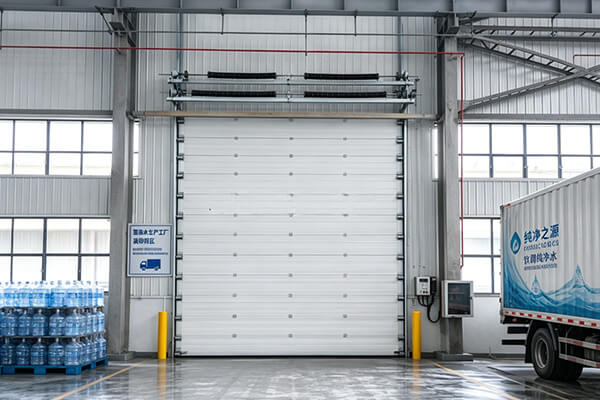
Confronto Tecnico: Porta Avvolgibile vs Porta Sezionale Industriale per Aree di Ricevimento
| Parametro Tecnico | Porta Avvolgibile | Porta Sezionale Industriale (Isolata) |
|---|---|---|
| Struttura della Porta | Lamelle in acciaio/alluminio ad incastro che si avvolgono verticalmente | Pannelli sandwich rigidi isolati che si sollevano verticalmente lungo una guida a soffitto |
| Prestazioni di Isolamento Termico | Basse – isolamento minimo, elevata perdita di calore | Alte – nucleo in schiuma di poliuretano, eccellente isolamento |
| Tenuta all'Aria (Sigillatura) | Da media a bassa, perdite d'aria alle giunzioni delle lamelle | Sistema di tenuta perimetrale di alto livello (superiore, inferiore, laterale) |
| Velocità di apertura | Da media a lenta (avvolgimento manuale o motorizzato) | Apertura rapida con sistema a molle bilanciate/motore industriale |
| Efficienza Energetica | Scarsa – frequente scambio termico nell'area di ricevimento | Elevata – riduce significativamente il consumo energetico dell'HVAC |
| **Idoneità al Traffico dei Carrelli Elevatori** | **Limitata** – soggetta a impatti di rumore e vibrazioni | **Eccellente** – progettata per operazioni ad alta frequenza con carrelli elevatori |
| **Stabilità Strutturale** | **Moderata** – le lamelle possono deformarsi nel tempo | **Struttura a pannelli ad alta rigidità**, lunga durata operativa |
| **Requisiti di Manutenzione** | **Da media ad alta** (usura delle lamelle, problemi ai binari) | **Bassa** – sostituzione modulare dei pannelli e sistema di binari stabile |
| **Isolamento Acustico** | Basso | **Elevato** – i pannelli isolanti solidi riducono il rumore esterno |
| **Idoneità Igienica (Industria Alimentare)** | **Base**, non ideale per strutture di grado alimentare | **Eccellente** – pannelli lisci + bordi sigillati per ambienti puliti |
| Resistenza al Vento | Media | **Elevata** – sistema di binari rinforzato e rigidità dei pannelli |
| **Durata Operativa** | **Media** (dipende dalla frequenza d'uso) | **Durabilità industriale a lungo termine** |
| **Scenario Applicativo Ottimale** | **Magazzini industriali leggeri**, aree a basso traffico | **Fabbriche di acqua in bottiglia, magazzini di grado alimentare, aree di banchina ricevimento** |
Caratteristiche Principali delle Porte Sezionali per Aree di Ricevimento
**Le porte sezionali per ricevimento sono molto più di semplici dispositivi di apertura e chiusura. Sono componenti logistici industriali integrati, specificamente progettati per ambienti di magazzino ad alta richiesta. Queste porte combinano durabilità, isolamento ed efficienza operativa per ottimizzare i flussi di lavoro nell'area di ricevimento, specialmente negli stabilimenti alimentari e delle bevande.**.
Isolamento Termico e Risparmio Energetico
**Porte sezionali** **Presentano pannelli in acciaio zincato a doppio strato riempiti con schiuma poliuretanica ad alta densità, fornendo un isolamento termico superiore. Nelle applicazioni pratiche, queste porte riducono significativamente la perdita di calore interna, diminuiscono il carico sui sistemi HVAC e mantengono temperature di magazzino stabili. Per le fabbriche di acqua in bottiglia, ciò si traduce in un minor consumo energetico e in un ambiente di stoccaggio più controllato, specialmente in spazi di magazzino su larga scala.**.
Durevole e Sicura per Operazioni ad Alto Traffico
**Le aree di ricevimento sono zone ad alta intensità dove i carrelli elevatori operano continuamente.**. per la sicurezza notturna e **Sono progettate per resistere a un uso intensivo. Presentano sistemi di binari ad alta resistenza per un funzionamento stabile, pannelli resistenti agli urti per prevenire danni da carrelli elevatori e meccanismi di sollevamento bilanciati per un'apertura e chiusura fluide. Configurazioni di sicurezza opzionali, come bordi inferiori morbidi e sistemi anti-pizzicamento, migliorano ulteriormente la sicurezza operativa, riducendo i rischi sia per il personale che per le attrezzature.**.
Tenuta Stagna per la Protezione da Polvere e Insetti
**Le prestazioni di tenuta sono un fattore critico per le porte da ricevimento nei magazzini di grado alimentare.**.
| **Componente di Tenuta** | Function | **Beneficio Prestazionale** |
|---|---|---|
| **Nastro di Tenuta Superiore** | **Sigilla lo spazio superiore tra il pannello della porta e il telaio** | **Previene le perdite d'aria dalla parte superiore, migliora la tenuta complessiva** |
| **Guarnizione in Gomma Inferiore** | **Tenuta flessibile in gomma sul bordo inferiore** | **Blocca la polvere, riduce l'ingresso di insetti, si adatta a superfici irregolari del pavimento** |
| **Sistema di Tenuta delle Guide Laterali** | **Tenuta multistrato lungo entrambe le guide verticali** | **Minimizza lo scambio d'aria e la contaminazione esterna da entrambi i lati** |
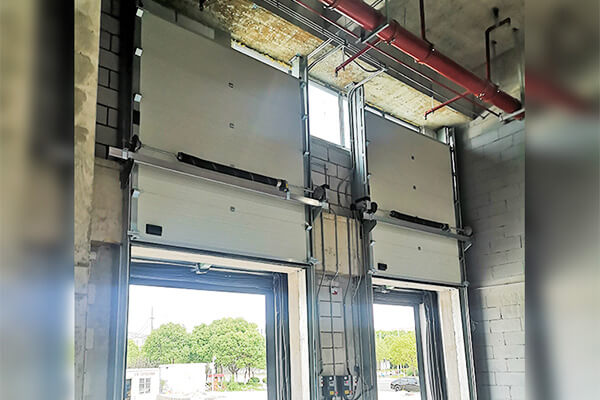
Selezione della Porta Sezionale Industriale Isolata Giusta per il Vostro Stabilimento di Acqua in Bottiglia
Scegliere il Porta Sezionale Industriale Isolata **Per una fabbrica di acqua in bottiglia richiede una chiara valutazione dell'intensità operativa del magazzino, dei requisiti ambientali e dei piani di espansione a lungo termine. Un sistema di porte ben configurato non solo migliora l'efficienza del ricevimento, ma riduce anche la perdita di energia e garantisce la conformità igienica in ambienti logistici ad alta frequenza.**.
Valutare il Volume di Traffico del Magazzino
**Per le aree di ricevimento con un elevato ricambio giornaliero di camion e un'operatività continua dei carrelli elevatori, il sistema di porte deve supportare prestazioni rapide e stabili. In tali casi, si consiglia di selezionare** **sistemi di apertura ad alta velocità**, **, strutture di binari rinforzate e pannelli porta isolanti per carichi pesanti progettati per cicli di apertura frequenti. Ciò garantisce un flusso logistico fluido e minimizza i tempi di inattività durante le operazioni di carico e scarico.**.
Considerare le Prestazioni di Isolamento della Porta
**Regioni diverse e ambienti produttivi diversi richiedono diversi livelli di controllo termico. Per le fabbriche di acqua in bottiglia, le prestazioni di isolamento dovrebbero essere valutate in base allo spessore del pannello, alla densità della schiuma poliuretanica e all'efficienza complessiva di tenuta. Un** **sistema di porte sezionali sopraelevate** **ben isolato aiuta a mantenere temperature interne stabili, riduce il consumo energetico HVAC e migliora l'efficienza del controllo climatico del magazzino.**.
Garantire la Conformità agli Standard Igienici
**Poiché la produzione di acqua in bottiglia appartiene all'industria alimentare e delle bevande, la conformità igienica è essenziale. La porta industriale selezionata dovrebbe presentare superfici lisce e facili da pulire, strutture di tenuta antipolvere e anti-insetti, e materiali che soddisfino gli standard dei magazzini di grado alimentare. Queste caratteristiche aiutano a mantenere un ambiente di ricevimento pulito e riducono i rischi di contaminazione al punto di ingresso del magazzino.**.
Rendere le Operazioni di Magazzino a Prova di Futuro
**La costruzione di nuovi stabilimenti dovrebbe sempre considerare l'espansione operativa a lungo termine. Il sistema di porte industriali dovrebbe essere compatibile con una maggiore capacità logistica, futuri aggiornamenti all'automazione e una potenziale integrazione con sistemi intelligenti di gestione del magazzino. Ciò garantisce che l'area di ricevimento rimanga efficiente e adattabile all'aumentare della capacità produttiva.**.
Riepilogo
**Nei progetti di costruzione di nuove fabbriche di acqua in bottiglia, la** **Area di Ricevimento** **non è solo un punto di ingresso logistico, ma anche una zona critica che impatta direttamente l'efficienza produttiva complessiva e il controllo ambientale. Applicando** Porte industriali sezionali, **, le fabbriche possono ottenere miglioramenti significativi in termini di efficienza operativa, prestazioni energetiche, standard igienici e sicurezza sul lavoro.**.
**Per i moderni sistemi di magazzino industriale, questo tipo di porta non è più una semplice soluzione di accesso. È diventato un componente essenziale nella costruzione di un ambiente logistico efficiente, a risparmio energetico e pulito.**.
Domande Frequenti
1. A cosa servono le Porte Sezionali Industriali Isolate negli stabilimenti di acqua in bottiglia?
**Le porte sezionali industriali, installate nelle aree di ricevimento e nelle banchine di carico, servono a gestire il traffico ad alta frequenza dei carrelli elevatori, mantenere temperature interne stabili e garantire la conformità igienica. Forniscono un accesso rapido e sicuro, riducendo al contempo il consumo energetico e proteggendo l'ambiente produttivo da polvere, parassiti e contaminanti esterni.**.
2. In che modo le porte sezionali industriali migliorano l'efficienza del ricevimento merci in magazzino?
**Le porte sezionali sopraelevate consentono cicli rapidi di apertura e chiusura, che riducono i tempi di attesa dei carrelli elevatori e migliorano il flusso logistico complessivo. La loro costruzione durevole supporta operazioni ad alta frequenza, rendendole ideali per le affollate aree di ricevimento nelle fabbriche di acqua in bottiglia dove vengono movimentati più pallet quotidianamente.**.
3. Perché l'isolamento è importante per le porte dell'area di ricevimento?
**Le aree di ricevimento sono zone ad alto traffico dove le frequenti aperture possono causare significative perdite di calore o fluttuazioni di temperatura. Le porte sezionali industriali isolate presentano pannelli a doppio strato con nuclei in schiuma poliuretanica e sistemi di tenuta ermetici, che mantengono temperature di magazzino stabili, riducono il consumo energetico HVAC e migliorano l'efficienza energetica complessiva.**.
4. In che modo le porte sezionali supportano gli standard igienici e di sicurezza alimentare?
**Le porte sezionali sono progettate con superfici lisce, guarnizioni antipolvere e bordi inferiori anti-insetti. Queste caratteristiche impediscono l'ingresso di polvere e parassiti nel magazzino, contribuendo a mantenere un ambiente pulito e controllato essenziale per la produzione di acqua in bottiglia e altre strutture di grado alimentare.**.