
Свяжитесь с нами WhatsApp: 8618036828007


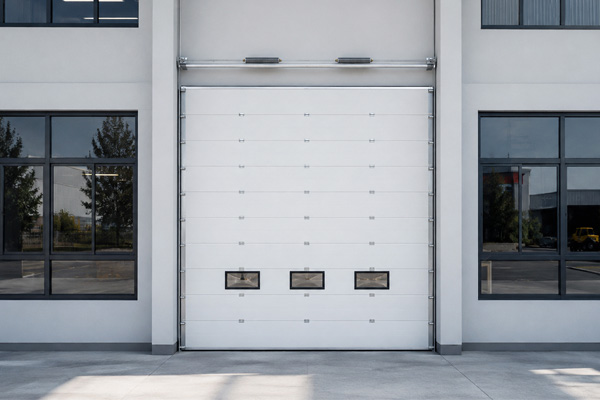
На новых заводах по производству бутилированной воды зона приемки является критически важным узлом для приема сырья и отгрузки готовой продукции. Высокая интенсивность транспортного потока требует эффективных, гигиеничных и терморегулируемых решений. В связи с этим многие предприятия внедряют специализированные доковые ворота для своих зон приемки. Промышленные утепленные секционные ворота.
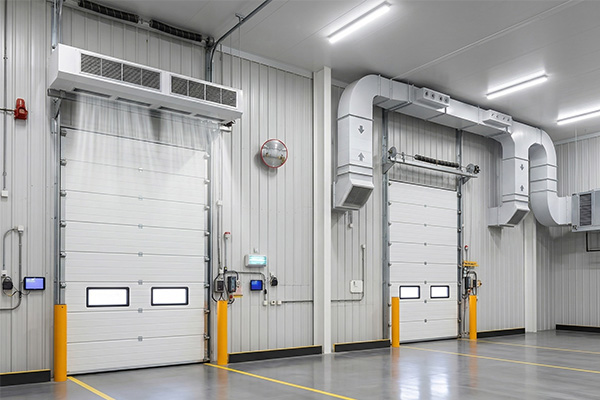
Почему зоны приемки заводов бутилированной воды требуют специализированных ворот
Зона приемки на заводе бутилированной воды принципиально отличается от стандартного промышленного склада. Она функционирует в условиях высокоинтенсивного трафика, строгих гигиенических норм и непрерывного логистического потока. При использовании обычных рольставней или базовых промышленных ворот обычно возникает ряд проблем, включая серьезные теплопотери, низкую эффективность работы погрузчиков, проникновение пыли и неоправданное потребление энергии.
По этой причине, Промышленные утепленные секционные ворота стали стандартным решением для современных доковых зон приемки.
Высокочастотное движение вилочных погрузчиков и паллет
На предприятиях по производству бутилированной воды зона приемки ежедневно обрабатывает постоянный поток паллетированных грузов, включая преформы, крышки для бутылок, упаковочную пленку и картонные материалы. Эти материалы обычно перемещаются вилочными погрузчиками, что предъявляет чрезвычайно высокие требования к скорости открывания ворот, ширине проема и общей износостойкости.
Традиционные системы ворот часто создают операционные узкие места в условиях интенсивного трафика:
- Медленные циклы открывания и закрывания снижают эффективность работы погрузчиков
- Низкая конструкционная стабильность может привести к деформации после длительного использования
- Частое ручное вмешательство увеличивает трудозатраты и операционные расходы
Напротив, Промышленные утепленные секционные ворота используют вертикальную систему подъема по направляющим, что обеспечивает быстрое открывание и стабильную работу. Это значительно сокращает время ожидания погрузчиков и повышает общую пропускную способность склада. Для заводов с большими объемами производства бутилированной воды такое повышение производительности имеет решающее значение для поддержания непрерывного логистического потока.
Контроль температуры и энергоэффективность
Хотя бутилированная вода обычно хранится при температуре окружающей среды, производственные и складские помещения все же требуют стабильного контроля внутреннего климата, особенно в регионах с экстремальной летней жарой или холодной зимой. Зона приемки из-за частых циклов открывания ворот является одним из основных источников потерь энергии во всей складской системе.
Без надлежащей теплоизоляции распространены следующие проблемы:
- Быстрая потеря охлажденного или нагретого воздуха
- Увеличение нагрузки на системы ОВКВ или охлаждения
- Рост общих затрат на электроэнергию
Промышленные подъемно-секционные ворота изготавливаются по двухслойной стальной панельной конструкции с наполнением из пенополиуретана высокой плотности, создавая эффективный теплоизоляционный барьер. Такая конструкция значительно снижает теплопередачу между внутренними и внешними помещениями.
Кроме того, высококачественные системы уплотнения по краям ворот минимизируют утечку воздуха, обеспечивая стабильную внутреннюю температуру.
Для крупных заводов бутилированной воды это не только улучшает контроль среды, но и обеспечивает существенную долгосрочную экономию энергии.
Гигиена и предотвращение загрязнений
Индустрия бутилированной воды относится к производственному сектору пищевого класса, где строгий гигиенический контроль имеет первостепенное значение. Зона приемки служит первым физическим барьером между внешними логистическими операциями и внутренней производственной средой, что делает ее критической точкой для контроля загрязнений.
Традиционные открытые или плохо уплотненные промышленные ворота часто приводят к:
- Попаданию пыли в складское помещение
- Проникновению насекомых или посторонних частиц на объект
- Воздействию наружного воздуха на зоны упаковки продукции
Секционные подъемные двери обеспечивают отличные уплотнительные характеристики, эффективно изолируя внутреннюю среду от внешних источников загрязнения. Многослойные уплотнения по периметру рамы и краям панелей минимизируют зазоры и утечку воздуха, помогая поддерживать чистоту и контролируемую среду в зоне приемки.
В среде производства продуктов питания и напитков такой уровень гигиенической защиты необходим для обеспечения безопасности продукции, соответствия нормативным требованиям и стабильных стандартов качества.
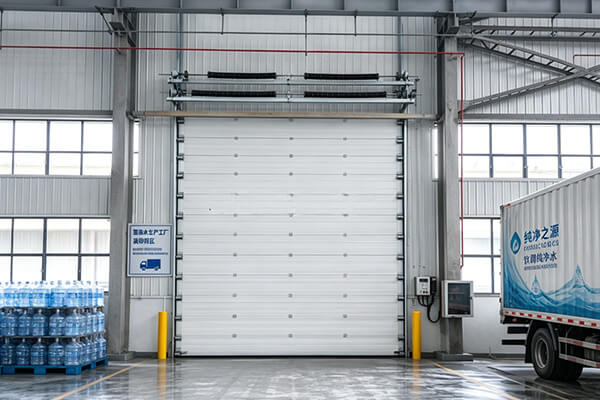
Техническое сравнение: рольставни и промышленные секционные ворота для зон приемки
| Технический параметр | Рольставни | Промышленные секционные ворота (утепленные) |
|---|---|---|
| Конструкция ворот | Сцепляющиеся стальные/алюминиевые ламели, сворачивающиеся вертикально | Жесткие утепленные сэндвич-панели, поднимающиеся вертикально по потолочным направляющим |
| Теплоизоляционные характеристики | Низкие – минимальная изоляция, высокие теплопотери | Высокие – сердечник из пенополиуретана, отличная изоляция |
| Воздухонепроницаемость (герметизация) | Средняя или низкая, утечка воздуха в стыках ламелей | Высокоуровневая система периметрального уплотнения (сверху, снизу, по бокам) |
| Скорость открывания | Средняя или медленная скорость (ручной или моторный привод) | Быстрое открывание с помощью сбалансированной пружинной/промышленной моторной системы |
| Энергоэффективность | Плохая – частый теплообмен в зоне приемки | Высокая – значительно снижает энергопотребление систем ОВКВ |
| Пригодность для движения вилочных погрузчиков | Ограниченная – подвержена воздействию шума и вибрации | Отличная – разработана для высокочастотных операций с вилочными погрузчиками |
| Конструкционная стабильность | Умеренная – ламели могут деформироваться со временем | Панельная конструкция высокой жёсткости, длительный срок службы |
| Требования к техническому обслуживанию | Средние или высокие (износ ламелей, проблемы с направляющими) | Низкие – модульная замена панелей и стабильная система направляющих |
| Шумоизоляция | Низкая | Высокая – сплошные изолированные панели снижают внешний шум |
| Гигиеническая пригодность (пищевая промышленность) | Базовый уровень, не подходит для объектов пищевого класса | Отличная – гладкие панели + герметичные края для чистых помещений |
| Ветровая нагрузка | Средний | Высокая – усиленная система направляющих и жёсткость панелей |
| Срок службы | Средний (зависит от частоты использования) | Долговечность промышленного класса |
| Наилучший сценарий применения | Лёгкие промышленные склады, зоны с низкой проходимостью | Заводы по производству бутилированной воды, склады пищевого класса, зоны приёмки грузов |
Ключевые особенности секционных ворот для зоны приемки
Приёмные секционные ворота — это не просто устройства для открывания и закрывания. Это интегрированные промышленные логистические компоненты, специально разработанные для складских помещений с высокими требованиями. Эти ворота сочетают в себе долговечность, изоляцию и эксплуатационную эффективность для оптимизации рабочих процессов в зоне приёмки, особенно на предприятиях пищевой и напиточной промышленности.
Теплоизоляция и энергосбережение
Секционные ворота Оснащены двухслойными оцинкованными стальными панелями, заполненными пенополиуретаном высокой плотности, что обеспечивает превосходную теплоизоляцию. В практическом применении эти ворота значительно снижают потери тепла внутри помещения, уменьшают нагрузку на системы отопления, вентиляции и кондиционирования и поддерживают стабильную температуру на складе. Для заводов по производству бутилированной воды это означает снижение энергопотребления и более контролируемые условия хранения, особенно на крупных складских площадях.
Прочность и безопасность для интенсивной эксплуатации
Зоны приёмки — это зоны высокой интенсивности, где вилочные погрузчики работают непрерывно. Секционные изолированные двери Спроектированы для выдерживания интенсивной эксплуатации. Они оснащены высокопрочными системами направляющих для стабильной работы, ударопрочными панелями для предотвращения повреждений от погрузчиков и сбалансированными подъёмными механизмами для плавного открывания и закрывания. Опциональные конфигурации безопасности, такие как мягкие нижние кромки и системы защиты от защемления, дополнительно повышают эксплуатационную безопасность, снижая риски как для персонала, так и для оборудования.
Герметичное уплотнение для защиты от пыли и насекомых
Герметизация является критическим фактором для складских ворот приёмки пищевого класса.
| Уплотнительный компонент | Функция | Эксплуатационное преимущество |
|---|---|---|
| Верхний уплотнитель | Герметизирует верхний зазор между панелью ворот и рамой | Предотвращает утечку воздуха сверху, улучшает общую герметичность |
| Нижний резиновый уплотнитель | Гибкое резиновое уплотнение по нижней кромке | Блокирует пыль, снижает проникновение насекомых, адаптируется к неровностям пола |
| Система уплотнения боковых направляющих | Многослойное уплотнение вдоль обеих вертикальных направляющих | Минимизирует воздухообмен и внешнее загрязнение с обеих сторон |
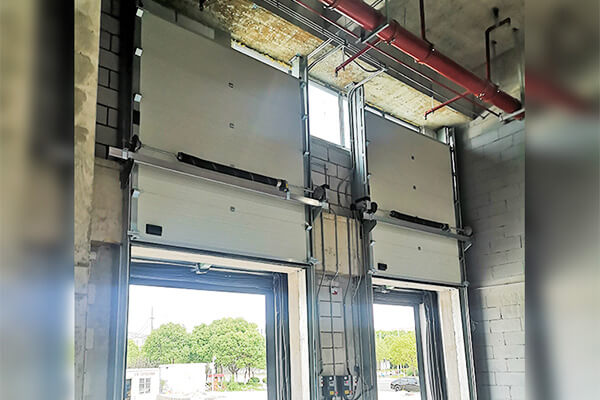
Выбор правильных промышленных утепленных секционных ворот для вашего завода бутилированной воды
Выбор правильного Промышленные изолированные секционные ворота Для завода по производству бутилированной воды требует чёткой оценки интенсивности складских операций, экологических требований и долгосрочных планов расширения. Правильно сконфигурированная система ворот не только повышает эффективность приёмки, но и снижает потери энергии и обеспечивает соблюдение гигиенических норм в условиях высокочастотной логистики.
Оценка объема складского трафика
Для зон приёмки с высокой ежедневной сменой грузовиков и непрерывной работой вилочных погрузчиков система ворот должна обеспечивать быструю и стабильную работу. В таких случаях рекомендуется выбирать высокоскоростные системы, усиленные конструкции направляющих и тяжёлые изолированные панели ворот, предназначенные для частых циклов открывания. Это обеспечивает бесперебойный логистический поток и минимизирует простои во время погрузочно-разгрузочных работ.
Учет теплоизоляционных характеристик ворот
Разные регионы и производственные среды требуют разных уровней теплового контроля. Для заводов по производству бутилированной воды изоляционные характеристики следует оценивать на основе толщины панелей, плотности пенополиуретана и общей эффективности герметизации. Хорошо изолированная система секционных потолочных ворот помогает поддерживать стабильную температуру внутри помещения, снижает энергопотребление систем отопления, вентиляции и кондиционирования и повышает эффективность климат-контроля на складе.
Обеспечение соответствия гигиеническим стандартам
Поскольку производство бутилированной воды относится к пищевой и напиточной промышленности, соблюдение гигиенических норм является обязательным. Выбранные промышленные ворота должны иметь гладкие и легко очищаемые поверхности, пыле- и насекомозащитные уплотнительные конструкции, а также материалы, соответствующие стандартам складов пищевого класса. Эти характеристики помогают поддерживать чистоту в зоне приёмки и снижают риски загрязнения на входе в склад.
Подготовка складских операций к будущим требованиям
При строительстве нового завода всегда следует учитывать долгосрочное расширение операций. Система промышленных ворот должна быть совместима с более высокой логистической пропускной способностью, будущими обновлениями автоматизации и потенциальной интеграцией с интеллектуальными системами управления складом. Это гарантирует, что зона приёмки останется эффективной и адаптируемой по мере увеличения производственных мощностей.
Резюме
В проектах строительства новых заводов по производству бутилированной воды Зона приёмки является не только логистическим входом, но и критической зоной, которая напрямую влияет на общую эффективность производства и экологический контроль. Применяя Промышленных секционных ворот, заводы могут добиться значительных улучшений в эксплуатационной эффективности, энергетических показателях, гигиенических стандартах и безопасности труда.
Для современных промышленных складских систем этот тип ворот больше не является простым решением для доступа. Он стал важным компонентом в создании эффективной, энергосберегающей и чистой логистической среды.
Часто задаваемые вопросы
1. Для каких целей используются промышленные утепленные секционные ворота на заводах бутилированной воды?
Промышленные секционные ворота устанавливаются в зонах приёмки и на погрузочных платформах для управления высокочастотным движением вилочных погрузчиков, поддержания стабильной температуры внутри помещения и обеспечения соблюдения гигиенических норм. Они обеспечивают быстрый и безопасный доступ, одновременно снижая энергопотребление и защищая производственную среду от пыли, вредителей и внешних загрязнителей.
2. Как секционные ворота повышают эффективность приемки на складе?
Секционные потолочные ворота обеспечивают быстрые циклы открывания и закрывания, что сокращает время ожидания вилочных погрузчиков и улучшает общий логистический поток. Их прочная конструкция поддерживает высокочастотные операции, что делает их идеальными для загруженных зон приёмки на заводах по производству бутилированной воды, где ежедневно перемещается множество поддонов.
3. Почему теплоизоляция важна для ворот зоны приемки?
Зоны приёмки — это зоны с высокой проходимостью, где частое открывание может привести к значительным теплопотерям или колебаниям температуры. Промышленные изолированные секционные ворота оснащены двухслойными панелями с сердечником из пенополиуретана и герметичными системами уплотнения, которые поддерживают стабильную температуру на складе, снижают энергопотребление систем отопления, вентиляции и кондиционирования и повышают общую энергоэффективность.
4. Как секционные ворота поддерживают стандарты гигиены и безопасности пищевых продуктов?
Секционные ворота спроектированы с гладкими поверхностями, пылезащитными уплотнениями и насекомозащитными нижними кромками. Эти характеристики предотвращают проникновение пыли и вредителей на склад, помогая поддерживать чистую и контролируемую среду, необходимую для производства бутилированной воды и других объектов пищевого класса.