月〜土:午前9時〜午後7時 日曜日は休業

現代の倉庫および物流業務には、貨物の積み込み、トラックの荷降ろし、フォークリフトの移動、倉庫業務など、多岐にわたる日常業務が含まれます。物流安全は、業務効率を向上させながら職場リスクを低減する上で不可欠な要素となっています。 現代の倉庫管理, の一部であり、企業が職場リスクを低減しつつ業務効率を向上させるのに役立っています。.
従来、倉庫安全管理は、従業員教育、個人用保護具(PPE)、安全手順といった基本的な保護対策に重点を置いてきました。しかし、個人保護だけでは積み込み・荷降ろしエリアにおけるすべてのリスクを排除することはできません。倉庫は依然として、トラック移動事故、フォークリフト衝突、ドックエッジからの転落、貨物取扱中の負傷などの潜在的な危険に直面しています。.
これらのソリューションの中で、ドック設備はより安全で効率的な作業環境を構築する上で重要な役割を果たします。本稿では、物流業務中にドック設備がどのように倉庫作業員を保護するかを探ります。.
目次
- 1 倉庫業務において物流安全が重要な理由
- 2 ドック設備が物流安全を向上させる方法
- 3 PPEとドック設備:完全な物流安全アプローチ
- 4 倉庫管理者のための実践的な物流安全のヒント
- 5 結論
- 6 よくある質問
- 6.1 ドックエリアにおける最も一般的な物流安全リスクは何ですか?
- 6.2 物流管理は、安全監査や安全点検をどのように活用して安全パフォーマンスを向上させることができますか?
- 6.3 貨物運送業者やドライバーに対して、どのような車両安全およびトラック安全対策を実施すべきですか?
- 6.4 物流企業は、安全コンプライアンスを確保するために、安全プロトコルや安全ポリシーを日常業務にどのように組み込んでいますか?
- 6.5 物流およびサプライチェーンにおける安全とリスク管理において、テクノロジーとリアルタイムデータはどのような役割を果たしますか?
- 6.6 組織は、物流およびサプライチェーン管理全体で安全の卓越性と継続的な安全改善をどのように促進できますか?
倉庫業務において物流安全が重要な理由
配送センター、製造施設からコールドチェーン倉庫に至るまで、日常の物流業務には、商品、車両、作業員の継続的な移動が伴います。効果的な安全管理がなければ、リスクは職場での負傷、設備の損傷、業務の中断につながる可能性があります。.
で事業を展開する企業にとって、 物流業界における安全, 職場保護の向上は、適切に設計された作業環境を構築することです。倉庫業務における主な安全リスクは、多くの場合、以下の3つの重要なエリアに集中しています。
貨物の積み込み・荷降ろしリスク
貨物の積み込みと荷降ろしは、物流業務において最も頻繁に行われる活動の一つです。毎日、倉庫作業員はトラックと保管エリア間でさまざまな種類の貨物を取り扱い、多くの場合、フォークリフト、パレットトラック、その他のマテリアルハンドリング機器を使用します。.
一般的なリスクは以下の通りです。
- 手の負傷 手作業による貨物取扱中
- 滑り・転倒事故 不安定な積み込みエリアに起因するもの
- 機器の損傷 不適切な貨物移動によるもの
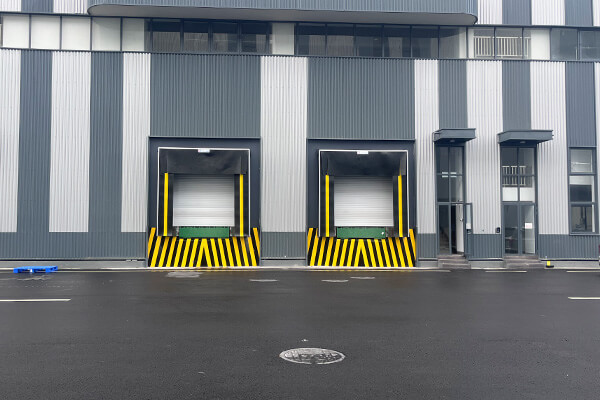
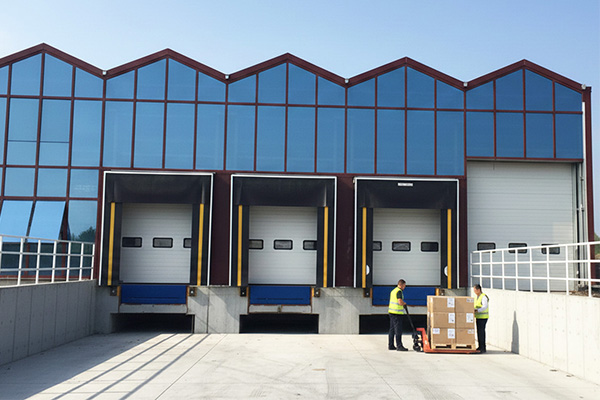
物流安全を向上させるために、倉庫には車両と施設間の安定した接続を実現する信頼性の高い積み込みソリューションが必要です。以下のような設備は、 油圧式ドックレベルラー トラックと倉庫フロア間の高低差を埋め、積み込み・荷降ろし作業中にフォークリフトや貨物がより安全かつ円滑に移動できるようにします。.
フォークリフトおよび車両移動の危険性
フォークリフトや配送車両は、現代の倉庫業務に不可欠な要素です。しかし、頻繁な車両移動は、特に混雑したドックエリアにおいて、潜在的な安全上の課題も生み出します。.
一般的なリスクは以下の通りです。
- フォークリフトの交通
- Dock approach operations
- Incorrect vehicle positioning
Implementing suitable logistics safety solutions, such as vehicle restraints, dock shelters, safety barriers, and properly designed loading dock equipment, can help control vehicle movement and create a safer working environment.
倉庫アクセスポイントのリスク
Warehouse entrances and loading docks are critical areas where people, vehicles, and goods frequently interact. As the connection between internal warehouse operations and external transportation, access points require effective safety management.
Without proper protection, warehouse entrances may face challenges such as:
- Uncontrolled vehicle access
- Energy loss caused by open doors
- Increased exposure to weather, dust, and external conditions
A safer warehouse access point requires:
アクセス制御
Industrial doors and access control systems help regulate the movement of vehicles and personnel, reducing unnecessary risks in busy operational areas.
安定した接続
Loading dock equipment, including dock levelers and dock shelters, provides a secure transition between trucks and warehouses, improving both worker safety and cargo handling efficiency.
信頼性の高い倉庫ドア
High-quality warehouse sectional doors, help create controlled opening and closing processes while supporting safe and efficient logistics operations.
By addressing these risks at cargo handling areas, vehicle movement zones, and warehouse entrances, companies can build a more complete 物流業界における安全 strategy. A combination of employee awareness, PPE protection, and professional loading dock equipment helps warehouses achieve safer operations while maintaining productivity.

ドック設備が物流安全を向上させる方法
ドックレベラー:トラックと倉庫間のより安全な接続を実現
A ドックレベラー is an essential component in modern loading dock systems. It creates a safe and stable bridge between the warehouse floor and the truck bed, allowing forklifts and material handling equipment to move smoothly during loading and unloading operations.
Because different trucks may have different bed heights, a gap or height difference can occur between the vehicle and the warehouse dock. Without proper adjustment, forklifts may experience unstable movement, increasing the risk of accidents during cargo transfer.
Hydraulic Dock levelers help solve common loading dock challenges, including:
- Truck bed height differences
- Unstable forklift movement
- Cargo transfer risks
物流安全におけるドックレベラーの利点
- Stable Forklift Operation
- Safer Cargo Handling
For warehouses handling frequent shipments, investing in reliable hydraulic dock leveler systems can significantly improve both operational efficiency and logistics safety.
ドックシェルター:積み込み作業中の外部リスクを低減
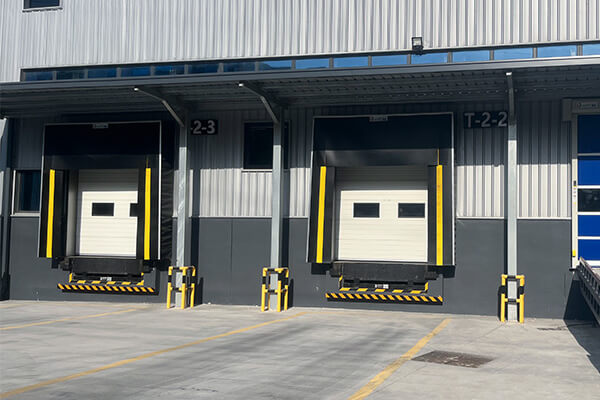
Loading docks are directly exposed to outdoor environments, making them vulnerable to weather conditions, temperature changes, and external contamination. A dock shelter and seal helps create a controlled connection between trucks and warehouse entrances, improving loading dock safety during daily operations.
Dock shelters are designed to:
- Seal the gap between trucks and warehouses
- Protect workers from weather conditions
- Improve the loading environment
During truck loading, warehouse dock shelters help reduce exposure to:
- Rain and wind
- Temperature fluctuations
- Dust and external contamination
For example, in refrigerated logistics operations, frequent opening of warehouse doors can lead to temperature loss and affect product quality. Dock shelters help maintain a more stable loading environment while improving worker comfort and operational safety.
By combining dock shelters with other loading dock equipment, companies can create safer and more controlled loading areas that support long-term warehouse safety management.
セクショナルドア:倉庫アクセス安全性の向上
Warehouse entrances are important transition points between internal operations and external transportation. A reliable セクショナルドア helps improve warehouse safety by providing controlled access, better protection, and efficient operation.
Compared with traditional manual doors, modern industrial sectional doors are designed for frequent daily use while supporting safer warehouse management.
The main safety advantages include:
- Controlled Opening and Closing
- Reduce Unauthorized Access
- Improve Thermal Insulation
産業用セクショナルドアの安全機能
- セーフティエッジ: The safety edge detects obstacles during door closing and immediately stops or reverses the movement, reducing the risk of injury or equipment damage.
- Anti-Drop Device: An anti-drop protection system prevents uncontrolled door movement caused by spring or cable failure, improving operator safety.
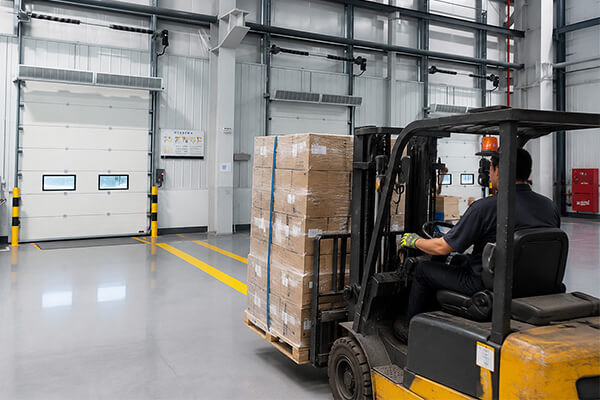
- ビジョンパネル: Vision panels improve visibility through the door, allowing workers and forklift operators to see approaching traffic and reduce collision risks.
For warehouses, manufacturing plants, and distribution centers, selecting suitable loading dock equipment is an important step toward improving logistics safety. By combining dock levelers, dock shelters, and sectional doors, businesses can reduce workplace risks, improve cargo handling efficiency, and create a safer working environment for employees.

PPEとドック設備:完全な物流安全アプローチ
While loading dock equipment helps reduce operational risks by improving the connection between trucks and warehouses, Personal Protective Equipment (PPE) plays an equally important role in protecting individual workers. A complete logistics safety strategy should integrate PPE, proper loading procedures, and professional safety equipment to minimize workplace accidents.
倉庫安全における個人用保護具(PPE)の役割
Personal Protective Equipment provides an additional layer of protection for employees during daily logistics operations. Depending on the working environment and specific tasks, common PPE used in warehouses includes:
安全手袋
Warehouse employees frequently handle different types of goods, packaging materials, and cargo components. During these activities, hands are exposed to potential risks such as sharp edges, rough surfaces, and repetitive handling tasks.
For warehouse workers involved in cargo handling, choosing suitable 安全手袋 is an important part of personal protection.
安全靴
Foot injuries are another common concern in warehouse environments where employees work around heavy cargo and material handling equipment.
高視認性衣類
Warehouses often involve interaction between pedestrians, forklifts, and delivery vehicles. High visibility clothing helps improve worker visibility, especially in busy loading docks and distribution centers. By making workers easier to identify, high visibility clothing supports safer communication between operators and pedestrians.
より優れた物流安全のためのPPEとドック設備の組み合わせ
Although PPE protects workers from personal injury risks, it cannot solve every challenge in warehouse operations. For example, safety gloves can protect hands during cargo handling, but they cannot prevent accidents caused by unstable truck positioning, unsafe dock transitions, or poor warehouse access control.
This is why modern warehouses need to combine:
- Personal Protective Equipment (PPE)
- Reliable loading dock equipment
- Safe workplace procedures
Equipment such as dock levelers, dock shelters, and sectional doors helps create a safer operational environment by reducing risks at loading points, improving cargo transfer stability, and controlling warehouse access. Together with employee protection measures, these solutions create a more complete approach to logistics safety.
倉庫管理者のための実践的な物流安全のヒント
To improve workplace protection and maintain efficient operations, warehouse managers should consider the following logistics safety tips:
積み込みエリアのリスクを定期的に評価する
Identify potential hazards related to:
- フォークリフトの交通
- Truck movement
- Cargo handling processes
- Warehouse entrances
Regular risk assessments help companies select suitable safety equipment and improve working procedures.
適切なPPEトレーニングを提供する
Employees should understand:
- When PPE is required
- How to use protective equipment correctly
- How to identify workplace hazards
Proper training ensures PPE can effectively support daily safety management.
ドック設備を保守する
Regular inspection and maintenance of:
- は、さまざまな構造設計で提供され、異なる環境条件への適応性を保証します。屋内または屋外、温度や湿度レベルが変動する環境で運用する場合でも、これらのプラットフォームはカスタマイズされたソリューションを提供します。油圧式から機械式システムまで、あらゆる物流課題に適した設計があります。
- ドックシェルター
- 産業用ドア
They can help ensure equipment operates safely and reliably.
By combining PPE protection with professional loading dock solutions, warehouses can build a safer and more efficient logistics environment. A complete approach to safety in logistics not only protects employees but also supports continuous operations, reduces downtime, and improves overall warehouse performance.
結論
In modern warehouse and distribution operations, logistics safety is no longer limited to employee training or personal protection. For warehouses, manufacturing plants, and distribution centers, investing in reliable dock equipment is not only a safety improvement but also a long-term strategy for improving productivity and operational reliability.
よくある質問
ドックエリアにおける最も一般的な物流安全リスクは何ですか?
Loading docks are one of the highest-risk areas in warehouse operations. Common hazards include:
- Forklift accidents caused by unstable dock transitions
- Truck movement during loading and unloading
- Workers falling from dock edges
- Cargo handling injuries
- Poor visibility between vehicles and pedestrians
Using suitable logistics safety solutions, such as dock levelers, dock shelters, vehicle restraints, and industrial doors, can help reduce these risks.
物流管理は、安全監査や安全点検をどのように活用して安全パフォーマンスを向上させることができますか?
Safety audits and safety inspections help logistics management identify gaps in safety practices, measure safety performance, and prioritize corrective actions. Conduct regular and scheduled audits as well as spot inspections, document findings in a safety record, track corrective actions, and review outcomes during safety meetings. Integrating audit results with a safety program and using them to update training programs and safety protocols drives continuous safety improvements and adherence to safety standards.
貨物運送業者やドライバーに対して、どのような車両安全およびトラック安全対策を実施すべきですか?
Vehicle safety measures include pre-trip inspections, maintenance schedules, load securement policies, electronic logging for hours of service, and driver safety training focused on defensive driving and fatigue management. Implementing truck safety technologies like telematics for real-time monitoring, collision avoidance systems, and clear safety protocols for loading and unloading freight reduces incidents. Ensuring compliance with transportation safety regulations and maintaining a strong safety record are also critical.
物流企業は、安全コンプライアンスを確保するために、安全プロトコルや安全ポリシーを日常業務にどのように組み込んでいますか?
Logistics companies can integrate safety protocols into standard operating procedures, make safety checklists mandatory for operations, and include safety briefings at shift changes. Embedding safety policies into digital workflows, using real-time alerts for unsafe conditions, and holding teams accountable through metrics and performance reviews ensures adherence. Training, regular communication, and leadership commitment help reinforce safety policies and promote consistent compliance with safety requirements.
物流およびサプライチェーンにおける安全とリスク管理において、テクノロジーとリアルタイムデータはどのような役割を果たしますか?
Technology and real-time data enable proactive safety and risk management by providing visibility into vehicle location, driver behavior, environmental conditions, and cargo status. Telematics, route optimization, and digital incident reporting support faster responses to safety issues and better decision-making. Using analytics to identify trends supports targeted safety improvements, predictive maintenance, and evidence-based updates to safety programs and best practices for logistics and transportation.
組織は、物流およびサプライチェーン管理全体で安全の卓越性と継続的な安全改善をどのように促進できますか?
Fostering safety excellence requires leadership commitment to a culture of safety, investment in safety training and programs, and measurable safety initiatives. Encourage employee involvement in safety committees, use safety audits and data-driven insights, and reward adherence to safety measures. Consistently review and update policies and procedures, ensure compliance with safety regulations, and prioritize both preventive and corrective actions to achieve long-term safety improvements and superior safety performance.