
문의 WhatsApp: 8618036828007


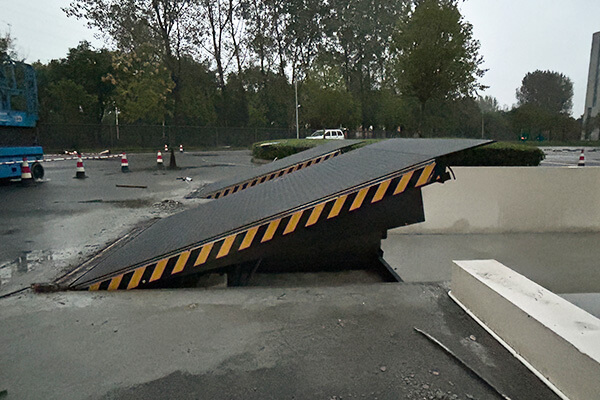
분주한 창고 하역장에서 주차된 트럭의 바닥은 종종 하역 베이보다 높거나 낮습니다. 이러한 높이 차이는 지게차가 건물과 차량 사이에서 화물을 안전하고 원활하게 이동하기 어렵게 만들 수 있습니다. A 유압식 도크 레벨러 는 플랫폼을 올리거나 내리고 힌지 리프를 트럭 적재함 위로 확장하여 이 간격을 연결함으로써 안정적인 전환을 만들어냅니다. 그러나 유압식 도크 레벨러는 어떻게 작동하며, 무엇이 그 움직임을 가능하게 할까요?
이 가이드는 작동 원리, 주요 구성 요소, 단계별 운영 과정을 설명하여 창고 운영자와 시설 관리자가 유압식 도크 레벨러가 효율적인 상하차 작업을 어떻게 지원하는지 이해할 수 있도록 돕습니다.
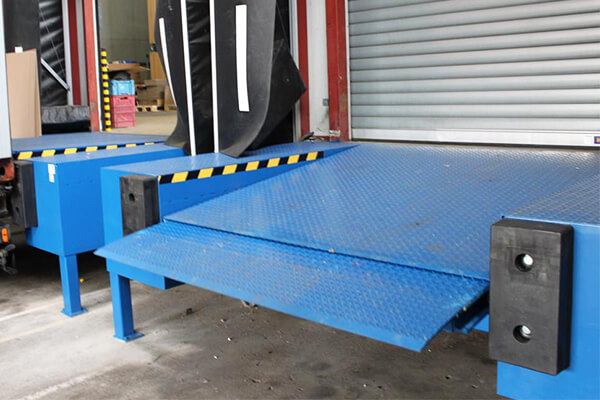
유압식 도크 레벨러는 어떻게 작동합니까?
A 유압식 도크 레벨러 는 유압 동력 장치를 사용하여 강철 플랫폼을 올리고 내리며, 힌지 리프가 확장되어 트럭 적재함 위에 놓입니다. 이는 창고 바닥과 차량 사이에 안정적인 다리를 만들어 지게차가 상하차 작업 중 다양한 높이 수준에서 화물을 안전하게 이동할 수 있도록 합니다.
1단계 – 트럭 위치 지정 및 고정
트럭은 먼저 지정된 하역 베이로 후진하여 도크 입구와 정렬합니다. 적절하게 위치가 잡히면 시설의 안전 절차에 따라 적절한 차량 고정 장치 또는 바퀴 고임목을 사용하여 차량을 고정해야 합니다. 올바른 위치 지정은 도크 레벨러 리프가 트럭 적재함에 도달하고 작동 중 적절한 접촉을 유지할 수 있도록 보장합니다.
2단계 – 유압 펌프 작동
트럭이 고정되고 하역 구역이 비어 있는지 확인한 후, 운영자는 제어 패널을 사용하여 유압식 도크 레벨러를 작동시킵니다. 전동 모터가 유압 펌프를 시작하여 저수조에서 유압유를 끌어올리고 가압된 유체를 리프팅 실린더에 전달합니다. 이 유압 동력이 플랫폼의 상승 움직임을 구동합니다.
3단계 – 도크 레벨러 플랫폼 상승
리프팅 실린더 내부에 유압이 축적됨에 따라 실린더가 확장되어 플랫폼을 위로 밀어 올립니다. 강철 데크가 보관 위치에서 상승하여 힌지 리프가 확장될 충분한 여유 공간을 만듭니다. 이 리프팅 움직임은 유압 시스템에 의해 제어되어 유압식 도크 레벨러 가 필요한 작동 위치에 도달할 수 있도록 합니다.
4단계 – 트럭 적재함 위로 리프 확장
플랫폼이 상승 위치에 도달하면 힌지 리프가 트럭 적재함 쪽으로 확장됩니다. 모델에 따라 리프 확장은 자동이거나 별도 조작을 통해 제어될 수 있습니다. 그런 다음 운영자는 리프가 트럭 적재함 위에 안전하게 놓일 때까지 플랫폼을 하강시켜 자재 처리 장비를 위한 연속적인 다리를 형성합니다.
5단계 – 화물 상차 및 하차
플랫폼과 리프가 적절하게 위치되면 지게차가 창고 바닥과 트럭 적재함 사이를 이동할 수 있습니다. 유압식 도크 레벨러 작동 은 별도의 이동식 램프 없이 높이 차이를 넘어 화물을 이동할 수 있도록 합니다. 운영자는 정격 용량을 준수하고, 플랫폼에 장애물이 없도록 유지하며, 시설의 상하차 안전 절차를 따라야 합니다.
6단계 – 도크 레벨러를 보관 위치로 복귀
상차 또는 하차가 완료된 후, 운영자는 제조사의 지침에 따라 플랫폼을 올리고, 리프를 후퇴시키며, 도크 레벨러를 보관 위치로 복귀시킵니다. 차량 고정 장치는 플랫폼이 안전하게 보관되고 트럭이 출발할 준비가 되었을 때만 해제해야 합니다. 이로써 작동 주기가 완료되고 다음 차량을 위해 하역 베이가 준비됩니다.
유압식 도크 레벨러의 주요 구성 요소
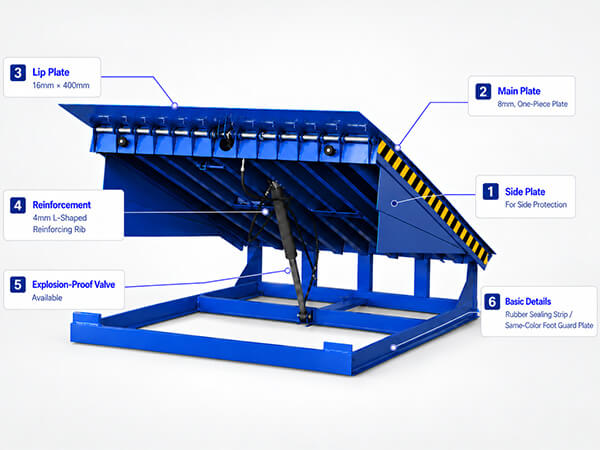
주요 유압식 도크 레벨러 부품 을 이해하면 장비가 어떻게 들어올리고, 리프를 확장하며, 다양한 트럭 적재함 높이에 적응하는지 설명하는 데 도움이 됩니다. 일반적인 유압식 도크 레벨러는 원활하고 제어된 작동을 제공하기 위해 함께 작동하는 여러 기계적, 유압적, 전기적 구성 요소로 이루어져 있습니다.
유압 펌프 및 동력 장치
유압 동력 장치는 전동 모터, 유압 펌프, 오일 저수조로 구성됩니다. 운영자가 제어 시스템을 작동하면 모터가 펌프를 구동하여 가압된 유압유를 리프팅 실린더에 전달합니다.
유압 실린더
유압 실린더는 유체 압력을 기계적 힘으로 변환합니다. 실린더는 플랫폼을 위로 밀어 올리고, 설계에 따라 힌지 리프를 작동시킵니다. 실린더는 유압식 도크 레벨러 유압 시스템, 의 필수 구성 요소로, 제어된 플랫폼 움직임을 가능하게 합니다.
강철 플랫폼 및 힌지 리프
강철 플랫폼은 데크라고도 하며, 지게차 및 자재 처리 장비를 위한 안정적인 표면을 제공합니다. 힌지 리프는 플랫폼의 전면 가장자리에서 확장되어 트럭 적재함 위에 놓이며, 창고 바닥과 차량 사이에 연속적인 전환을 만들어냅니다.
제어 박스 및 유압 밸브
The control box allows operators to activate and control the dock leveler. Hydraulic valves regulate oil flow and pressure, directing fluid to the appropriate cylinders during lifting, lowering, and lip movement.
안전 지지대 및 보호 장치
Safety features may include maintenance support struts, toe guards, emergency stop controls, and hydraulic safety valves, depending on the model. These dock leveler components help protect operators and maintenance personnel by reducing risks associated with unexpected movement, accidental access, and hydraulic system failure. Mechanical maintenance supports must be engaged according to the manufacturer’s instructions before working beneath a raised platform.
유압 시스템은 어떻게 플랫폼 움직임을 제어하는가?
그리고 hydraulic dock leveler working principle is based on converting electrical energy into hydraulic power and then into mechanical movement. The electric motor drives the hydraulic pump, which pressurizes the oil and directs it through control valves to the hydraulic cylinders. These components work together to control platform lifting, lip movement, and adjustment during loading operations.
유압이 플랫폼을 상승시키는 방법
When the electric motor starts, the hydraulic pump draws oil from the reservoir and delivers pressurized fluid to the lifting cylinder. The hydraulic pressure extends the cylinder, generating the force needed to raise the steel platform. When the control valve changes the oil flow, the platform can lower in a controlled manner.
리프가 확장되고 후퇴하는 방법
Depending on the hydraulic dock leveler mechanism, the hinged lip is operated by a dedicated hydraulic cylinder or an integrated linkage system. Hydraulic pressure drives the lip outward, allowing it to rest on the truck bed. The return sequence retracts the lip before the platform returns to its stored position.
플랫폼이 트레일러 움직임에 적응하는 방법
During loading and unloading, changes in cargo weight can affect the truck’s suspension and bed height. In its operating position, the dock leveler is designed to follow normal vertical movement of the truck bed within its working range, maintaining contact between the lip and trailer.
유압식 vs 기계식 도크 레벨러: 작동 방식의 차이점은?
The main difference between a hydraulic vs mechanical dock leveler is how the platform is powered and operated. A hydraulic dock leveler uses an electric motor, hydraulic pump, and cylinders to control platform movement. A mechanical dock leveler relies on a spring-assisted mechanism and manual operation to raise and lower the platform.
| 특징 | 유압식 도크 레벨러 | 기계식 독 레벨러 |
|---|---|---|
| 구동 메커니즘 | Electric motor and hydraulic pump | Mechanical spring and counterbalance mechanism |
| Operating Method | Push-button hydraulic control | Manual activation using a pull chain or handle, depending on the model |
| Manual Effort | Minimal operator effort | Requires manual activation and greater physical involvement |
| Power Requirements | Requires an electrical power supply | Generally operates without electricity |
| 유지보수 요구 사항 | Hydraulic oil, cylinders, hoses, pump, and electrical components | Springs, hinges, linkages, and mechanical components |
| Suitable Applications | Warehouses with frequent loading and unloading operations | Facilities requiring a mechanically operated loading dock solution |
어떤 운영 시스템이 더 적합한가?
Hydraulic dock levelers provide convenient push-button operation and controlled platform movement, making them suitable for facilities with frequent loading activities. Mechanical dock levelers offer a simpler operating mechanism without requiring an electrical power supply. The appropriate choice depends on operating frequency, available power, maintenance requirements, and facility configuration.
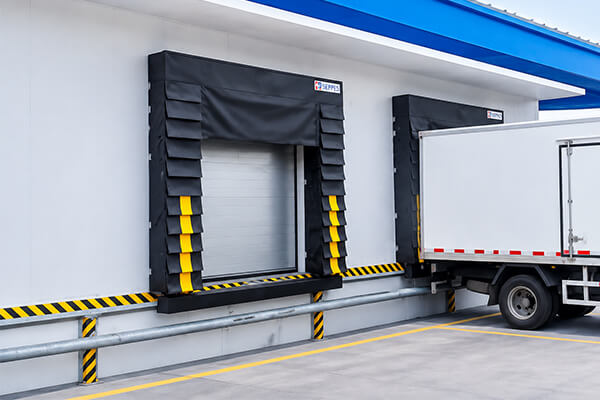
일반적인 유압식 도크 레벨러 문제 및 유지보수 팁
Regular inspection and proper maintenance help keep a hydraulic dock leveler operating reliably. Understanding common problems can also help warehouse operators identify potential issues before they cause unexpected downtime.
유압식 도크 레벨러가 올라가지 않는 이유는?
If a hydraulic dock leveler does not rise, possible causes include a power supply failure, a faulty control circuit, insufficient hydraulic oil, or a hydraulic leak. An overloaded platform or an activated safety interlock may also prevent operation. Check the external power supply and visible operating conditions. If the problem persists, contact a qualified technician.
도크 레벨러 리프가 확장되지 않는 이유는?
A lip that fails to extend may indicate a hydraulic pressure issue, a faulty control valve, a damaged cylinder, or an obstruction around the hinge mechanism. Stop operation and arrange a professional inspection rather than forcing the lip to move.
유압식 도크 레벨러에 필요한 유지보수는?
정기적인 dock leveler maintenance should include checking hydraulic hoses, visible oil leaks, electrical controls, platform hinges, lip movement, and safety devices. Keep the platform and surrounding area free of debris. Follow the manufacturer’s maintenance schedule and arrange periodic inspections by qualified technicians. Never work beneath an unsupported raised platform or attempt to adjust hydraulic pressure without proper training.
유압 도크 레벨러에 관한 자주 묻는 질문
유압식 도크 레벨러는 다양한 트럭 높이에 어떻게 적응하는가?
A hydraulic dock leveler adjusts to different truck bed heights by raising or lowering its platform within its designed operating range. The hinged lip rests on the truck bed, creating a stable transition between the loading dock and vehicle. Its working range depends on the model and specified adjustment capacity.
유압식 도크 레벨러의 동력원은 무엇인가?
A hydraulic dock leveler is typically powered by an electric motor connected to a hydraulic pump. The pump pressurizes hydraulic oil and directs it to the lifting cylinders, which move the platform and, depending on the design, the hinged lip. The control system manages these movements during loading operations.
유압식 도크 레벨러는 전기 없이 작동할 수 있는가?
A standard electrically powered hydraulic dock leveler generally requires electricity to perform its normal lifting and operating cycle. Some models may provide manual emergency or backup procedures, depending on their design. Always consult the manufacturer’s operating manual before attempting any alternative operation.
유압식 도크 레벨러와 도크 리프트의 차이점은 무엇인가?
A hydraulic dock leveler bridges the height difference between a warehouse loading dock and a truck bed, allowing forklifts to move goods between them. A hydraulic dock lift is designed to raise or lower materials between different floor levels or working heights, often where a conventional loading dock is unavailable.
유압식 도크 레벨러는 얼마나 자주 점검해야 하는가?
A hydraulic dock leveler should receive regular visual checks before use, along with scheduled preventive maintenance based on the manufacturer’s recommendations and applicable safety requirements. Inspections should cover hydraulic hoses, oil leaks, electrical controls, hinges, safety devices, and structural components. Qualified technicians should perform more detailed maintenance at the recommended intervals.
결론
Understanding how a hydraulic dock leveler works helps warehouse operators make better decisions about loading dock efficiency, equipment safety, and maintenance. By using hydraulic pressure to raise the platform and extend the hinged lip, the system creates a stable bridge between the warehouse floor and truck bed. Proper operation, regular inspections, and suitable equipment selection are essential for reliable performance.