문의 WhatsApp: 8618036828007



현대 물류 및 공급망 관리에서 신뢰할 수 있는 하역 시스템의 생산성과 효율성은 매우 중요합니다. 효율적인 시스템은 로딩 도크 시스템, 작동 시 화물 회전율을 높이고 물류 체인 내 위험과 오류를 줄여 전반적인 운영 효율성을 향상시킵니다.
아래에서는 하역 독을 구성하는 장비에 대해 설명했습니다. 귀 조직이 새로운 하역 독을 고려 중이라면, 이 글이 정보에 기반한 선택을 하는 데 도움이 될 수 있습니다.
하역 독이란 무엇인가?
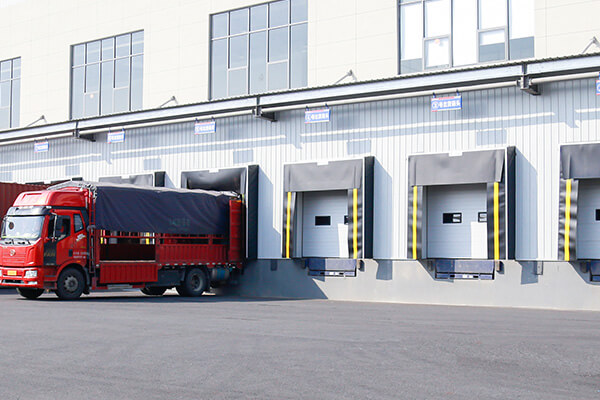
하역 독은 일반적으로 창고, 유통 센터 또는 공장과 같은 물류 센터 외부에 위치한, 화물 하역을 위한 시설 구역입니다. 주요 목적은 운송 수단에 안정적이고 안전한 하역 플랫폼을 제공하는 것입니다. 이는 화물이 운송 수단에서 창고로 원활하게 이전될 수 있도록 보장하는 것을 의미합니다. 하역 독 설계에 필요한 장비는 화물 유형, 운영 요구 사항 및 시설 규모에 따라 달라집니다.
하역 독 시스템의 주요 구성 요소
레벨러 플레이트
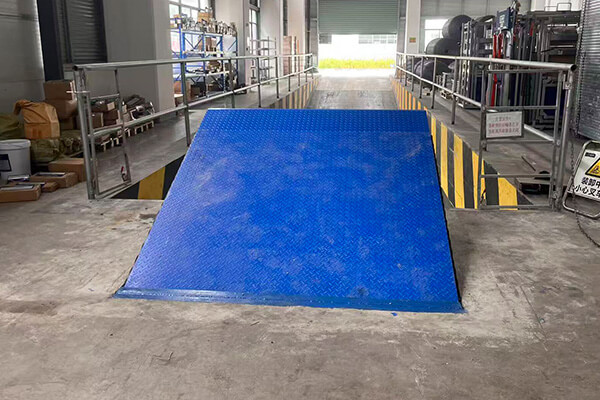
그리고 레벨러 플레이트 는 하역 독에서 가장 중요한 장비 중 하나입니다. 로딩 도크 시스템. 일반적으로 부두 입구의 콘크리트 피트에 설치됩니다. 주요 기능은 운송 차량(예: 다양한 크기의 트럭)과 플랫폼 간의 높이 차이를 조정하여 화물의 원활한 하역을 가능하게 하는 것입니다.
레벨러 플레이트에는 여러 유형이 있으며, 어떻게 선택해야 할까요? 가장 일반적인 피트 레벨러 유형 은 기계식, 유압식 및 공압식입니다.
- 기계식 도크 레벨러는 로딩 도크 운영을 위한 견고하고 비용 효율적인 솔루션을 제공합니다. 이들의 설계는 단순성과 내구성을 강조하여 중간 정도의 교통량과 기본적인 운영 요구 사항을 가진 시설에 신뢰할 수 있는 선택이 됩니다. 이 레벨러는 수동 작동에 의존하여 전력 필요성을 없애고 운영 비용을 절감합니다. 기계식 레벨러는 스프링과 레버 시스템을 통해 들어올리기 및 내리기 작업을 수행하며 전력이 필요하지 않습니다. 이는 저주파수, 작업이 용이한 환경에 적합한 비용 효율적인 레벨러입니다. 그러나 스프링, 체인, 풀리 및 고정 장치와 같은 추가적인 움직이는 부품에 의존합니다. 손상 시 고가의 유지보수 및 교체가 필요합니다.
- 유압식 도크 레벨러 유압식 레벨러는 가장 널리 사용되는 피트 레벨러 유형입니다. 유압 동력 시스템이 레벨러의 상승 및 하강을 제어합니다. 사용자는 간단한 제어판으로 들어올리기 및 내리기 작업을 완료할 수 있습니다. 이 유형의 레벨러는 초기 비용이 더 높지만, 긴 서비스 수명과 덜 빈번한 유지보수로 인해 시간이 지남에 따라 수리 비용을 절약할 수 있습니다.
- 공압식 레벨러 는 공압 시스템에 의해 구동되어 들어올려지고 내려집니다. 공압식 하역 독 레벨러는 다른 유형의 하역 독 레벨러보다 더 간단하고 효율적인 작동 경험을 제공합니다. 버튼으로 작동되지만 실린더 대신 에어백 또는 벨로우즈 시스템이 데크를 들어올리고 내립니다.
에지 및 버티컬 도크 레벨러
에지 오브 독 레벨러 에지 도크 레벨러(EODL)는 도크 가장자리에 고정되는 하역 독 장비 유형입니다. 이러한 도크 레벨러는 하역 독 가장자리에 고정되며 금속 립이 장착되어 있습니다. 사용이 매우 간단하고 경제적입니다. 간헐적인 운송만 필요하고 완전한 하역 독 시스템이 필요하지 않은 경우, 도크 레벨러 에지 이는 좋고 효율적인 옵션입니다.
중소 규모 창고 또는 유통 센터, 특히 빠른 하역이 필요한 곳에 이상적입니다. 장비 투자 비용에 민감합니다.
수직식 독 레벨러 버티컬 도크 레벨러는 수직 위치로 들어 올릴 수 있는 도크 레벨러 유형입니다. 기존 도크 레벨러와 달리, 버티컬 도크 레벨러는 더 높은 위치로 들어 올려지고 트럭 적재함에 안전하게 도달하도록 연장될 수 있습니다. 수직 하역 플랫폼은 청소 및 유지보수가 용이합니다. 또한 수직 리프트 시스템은 더 안전하게 설계되어 작동 중 인적 오류 및 사고 위험을 줄입니다.
다양한 높이의 운송 수단을 처리해야 하는 화물 터미널 및 비즈니스에 이상적입니다.
도크 씰 및 쉘터
독 실 및 쉘터(Dock seals and shelters) 도크 씰은 하역 과정에서 밀봉 장벽을 제공하기 위해 하역 독 포구 주변에서 일반적으로 사용됩니다. 각각 다른 특성과 용도를 가진 세 가지 일반적인 유형의 도크 씰이 있습니다.
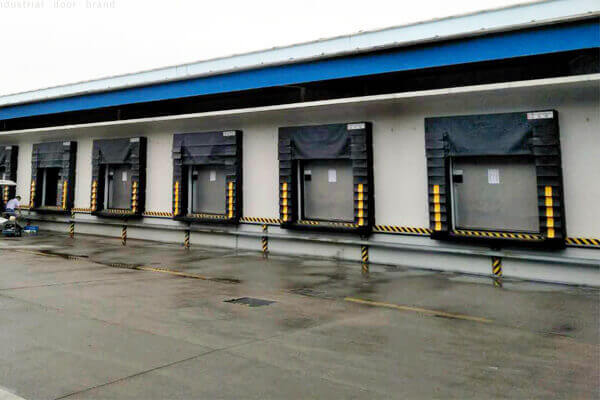
- 도크 씰 은 부드럽고 내구성 있는 고무로 만들어지며 운송 차량의 적재함과 접촉하여 밀봉을 형성합니다. 외부 공기, 먼지 및 비가 창고로 유입되는 것을 방지하고 안정적인 보관 환경을 유지합니다. 도어 씰은 물류 효율성을 효과적으로 개선하고, 상품의 안전한 보관을 보장하며, 동시에 에너지를 절약합니다. 따라서 현대 창고 및 물류에서 가장 중요하고 필수적인 장비 중 하나입니다. 그러나 이러한 씰은 쉽게 마모되므로, 교통량이 많은 시기에는 도크 씰을 점검하고 유지보수하는 데 주의를 기울여야 합니다.
- 독 쉘터 도크 쉘터는 다양한 적재함 크기와 스타일에 적합합니다. 도크 쉘터가 제공하는 강력한 밀봉 덕분에 하역 과정이 더 쾌적한 환경에서 이루어질 수 있습니다. 이는 효율성을 높이고 날씨 관련 가동 중단이나 지연을 방지합니다. 또한 트레일러에 의해 눌리지 않기 때문에 일상적인 마모로 인한 손상이 적습니다.
- 인플레이터블 도크 씰 팽창식 도크 씰은 팽창식 에어백으로 설계되었습니다. 그리고 씰의 모양과 크기는 공압 시스템에 의해 조정되어 다양한 크기의 트럭 적재함에 맞춰집니다. 강력한 밀봉을 제공하며, 더 많은 온도 제어 환경이나 다양한 적재함 유형이 필요한 물류 작업에 적합합니다. 조직의 필요에 따라 올바른 유형의 도어 씰을 선택하는 것이 중요합니다. 각 도어 씰 유형은 다양한 환경 및 산업의 요구 사항을 충족하기 위해 고유한 이점을 제공합니다.
오버헤드 도어
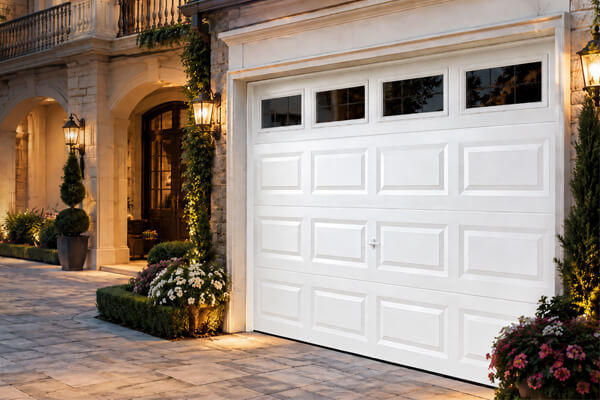
섹셔널 오버헤드 도어 오버헤드 도어는 하역 독 포구의 문으로 사용되어 내부 제품을 외부 환경으로부터 보호합니다. 섹셔널 오버헤드 도어는 단열, 방범, 보안 및 견고함을 제공하며 터미널 물류에서 일반적인 선택입니다.
스파이럴 오버헤드 도어 스파이럴 도어는 독특한 오버헤드 도어 설계로, 주요 특징은 도어 본체가 열리면서 나선형 트랙을 따라 상승한다는 점입니다. 기존 슬라이딩 도어와 달리, 이 도어는 나선형 리프트 메커니즘을 활용하여 공간을 절약하고 빠른 개방 작업을 가능하게 합니다. 스파이럴 도어 설계는 더 나은 밀봉을 보장하며 주변 온도를 유지해야 하는 장소에 적합합니다.
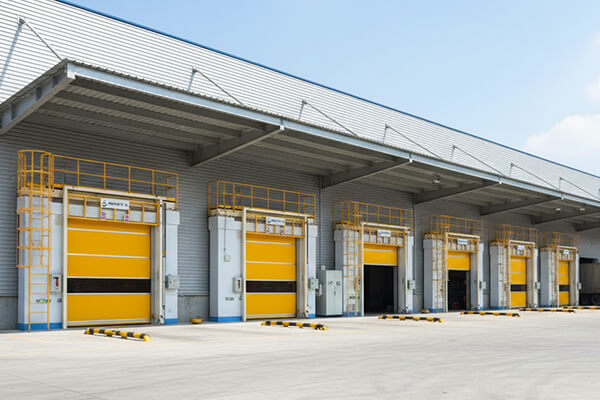
고속 오버헤드 도어 PVC 스피드 도어는 전기 구동 시스템에 의해 제어됩니다. 매우 짧은 시간 내에 들어올려지고 내려질 수 있습니다. 이 유형의 도어는 높은 효율성이 요구되고 온도 변동이 허용되지 않는 작업장 및 클린룸과 같이 빈번한 개폐가 필요한 환경에서 특히 효과적입니다. 단열 기능이 없는 섹셔널 오버헤드 도어와 대조적입니다. 또한 하역 포구에 섹셔널 도어와 함께 PVC 스피드 도어를 사용하는 회사도 있습니다.
도크 범퍼
하역 도크 범퍼 도크 범퍼는 하역 독 가장자리에서 트럭과 도크 간의 충격을 완화하는 데 사용됩니다. 또한 충돌로 인한 장비, 건물 및 트럭 손상을 방지할 수 있습니다. 충돌로 인한 손상으로부터 장비, 건물 및 트럭을 효과적으로 보호하며, 하역 과정의 안전과 효율성을 보장하는 중요한 부분입니다.
도크 조명
도크 조명은 하역 구역을 안전하게 확보하기 위해 충분한 빛을 제공하여 직원들이 어둠 속에서 화물을 하역하지 않도록 합니다. 특히 야간 작업에 중요하며, 충돌 및 추락과 같은 사고 위험을 줄이고 화물 하역이 원활하게 진행되도록 보장합니다.
건물 외부의 적절한 조명도 중요하여 운전자가 도크 피트와 건물을 볼 수 있도록 합니다. 신호 조명도 마찬가지로, 운전자와 시설 직원에게 트레일러가
“도크에 ”진입“하거나 떠날 수 있음을 알려줍니다. 이러한 조명은 신호등과 유사하게 보입니다 – 녹색은 ”진입 가능“을 의미하고 빨간색은 ”진입 불가"를 의미합니다.
차량 고정 시스템
트럭 레스트레인트는 중요한 안전 장치입니다. 주로 하역 과정 중 트럭이 안정적으로 유지되도록 보장하여 트럭 이동으로 인한 안전 위험을 방지하는 데 사용됩니다. 트럭을 제한하고 고정함으로써 하역 독 작업의 원활한 운영을 보장하며, 사고 가능성을 효과적으로 줄입니다.
뉴스 추천:
차량 고정 장치 유형: 적합한 트럭 고정 시스템 선택을 위한 완벽 가이드——다양한 유형의 차량 레스트레인트에 대해 알아보십시오.
시설에 하역 독을 추가할 때 고려해야 할 요소
하역 독 시스템을 선택할 때, 기업은 하역 독 시스템이 장기적인 수익을 제공하도록 보장하기 위해 여러 핵심 요소를 고려해야 합니다.
신뢰성 및 내구성
고품질 하역 독 시스템은 일관된 성능과 높은 사용성을 제공합니다. 안정적이고 신뢰할 수 있는 장비는 회사의 작업을 지속하게 하고 장비 문제로 인한 생산 지연을 방지합니다.
설치 및 유지보수
적절한 설치와 정기적인 유지보수는 적재장비의 수명을 효과적으로 연장하고 추가 비용을 방지할 수 있습니다. 윤활, 청소 및 고장 진단을 포함한 정기 점검과 유지보수를 통해 잠재적 문제를 신속히 발견하여 시스템의 장기적 원활한 운영을 보장합니다.
비용 및 수익 분석
선택 시 로딩 도크 시스템, 기업은 구매 비용과 시스템의 장기적 편익을 고려하여 투자가 최대의 수익을 가져올 수 있도록 해야 합니다. 또한 장비의 전력 소비량, 정기 유지보수 비용 및 가능한 수리 비용도 고려해야 합니다. 고품질 시스템은 초기 투자 비용이 더 높을 수 있으나, 장기적 편익이 투자 비용을 훨씬 능가합니다.
SEPPES 는 산업용 도어 및 적재장 시스템의 선도적 제조업체로서, 전 세계 고객에게 고품질·고성능 제품을 제공하는 데 특화되어 있습니다. 당사 제품은 CE, SGS, UL 인증을 획득하였으며 전 세계 70개 이상의 국가로 수출됩니다. 고객의 구체적 요구에 따라 포괄적인 지원과 서비스를 제공할 것입니다.