Contact us WhatsApp: 8618036828007

Cold Chain Logistics
Cold Chain Logistics Application
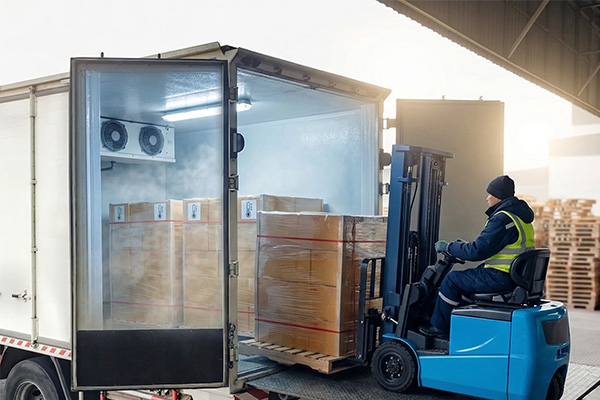
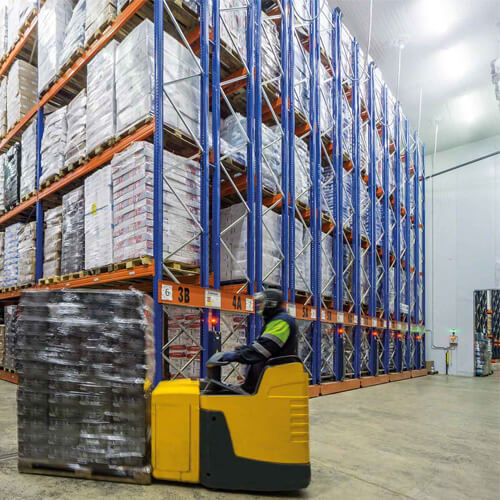
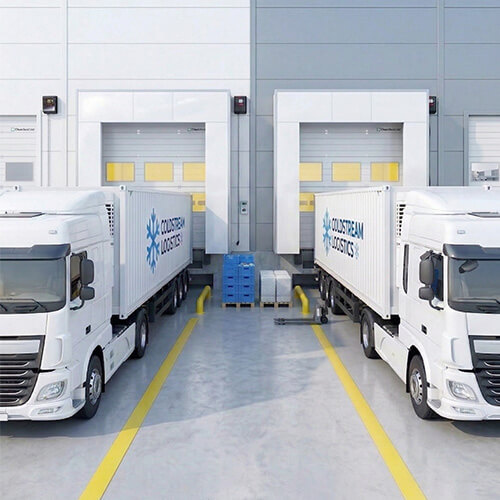
In the sensitive world of cold chain logistics, the loading bay is the most critical point of vulnerability. SEPPES provides a comprehensive suite of high-performance loading dock equipment specifically engineered to preserve the thermal chain. Our integrated solutions—featuring high-R-value insulated sectional doors, vertical dock leveler, inflatable dock shelters for a hermetic seal, and vertical dock levelers for “drive-through” security—ensure a seamless transition between the refrigerated trailer and the warehouse.
Cold Chain Logistics Industry
Cold Chain Loading Bay Solutions: Preserving Thermal Integrity & Efficiency
Cold Chain Logistics is a specialized segment of the global supply chain dedicated to the seamless transport and storage of temperature-sensitive products, from fresh perishables and frozen foods to pharmaceuticals. The primary objective is to maintain thermal integrity from the point of origin to the final destination, ensuring product safety and efficacy.
Key Components of Cold Chain Logistics:
- Temperature-Controlled Warehouses: Provide stable low-temperature or frozen storage environments to ensure products maintain consistent temperatures during storage.
- Refrigerated Transport Vehicles (Reefer Trucks/Containers): Enable full-process temperature-controlled transportation, keeping products at stable temperatures during long-haul and last-mile delivery.
- Integrated Loading & Unloading Platforms: Connect warehouses and transport vehicles to minimize cold air loss and temperature fluctuations, ensuring an unbroken cold chain.
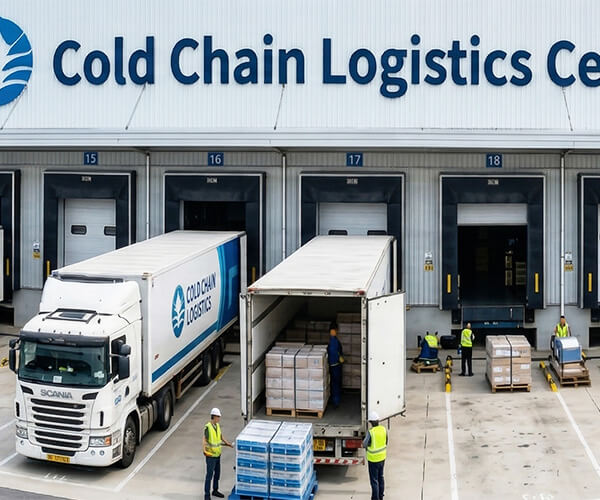
How Important Is Cold Chain Logistics for the Industry?
Cold chain logistics is the specialized infrastructure that ensures the safety, efficacy, and quality of temperature-sensitive products as they move through the global supply chain. For industries ranging from pharmaceuticals to high-end food processing, a robust cold chain is not merely a logistical preference—it is a critical operational requirement.
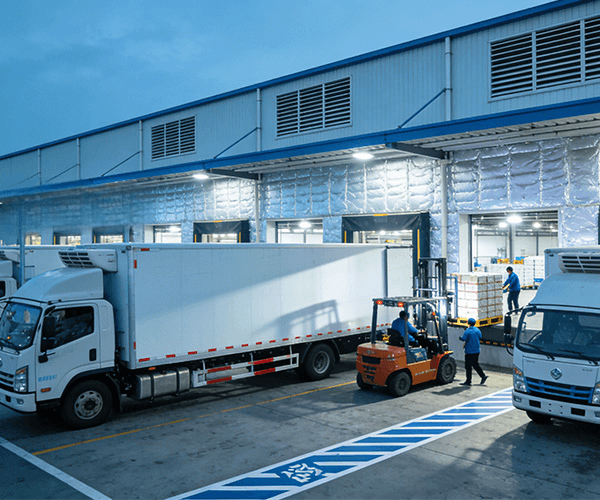
Guaranteeing Product Safety
The most fundamental role of cold chain logistics is the preservation of product integrity. For the pharmaceutical sector, maintaining a precise thermal environment is essential for the stability of vaccines and biologics. In the food industry, consistent refrigeration inhibits microbial growth and prevents foodborne illnesses. By utilizing advanced loading dock equipment like insulated sectional doors and inflatable shelters, facilities create a sterile barrier that protects public health and ensures that every item reaches the consumer in peak condition.
Ensuring Regulatory Compliance and Global Standards
Modern cold chain operations must navigate a complex landscape of international regulations. Compliance with HACCP and GDP standards is mandatory for market access. Professional cold chain logistics systems provide the documentation and physical environment to pass rigorous audits. Implementing vertical dock levelers allows for a drive-through process that minimizes external exposure, directly supporting the high-standard hygiene protocols required by global regulatory bodies.
Reducing Global Food Waste and Economic Loss
A significant percentage of global food loss occurs during transit and storage due to inadequate temperature control. Efficient cold chain logistics mitigate this waste by extending the shelf life of perishable goods. For enterprises, this translates into a dramatic reduction in discarded inventory and lost revenue. By investing in high-performance thermal barriers at the loading bay, companies can significantly decrease product spoilage, leading to a more sustainable business model and stronger bottom line in a competitive global market.
Maximizing Operational Energy Efficiency
Sustainability and cost-control are primary drivers for modern industrial facilities. Refrigerated warehouses are energy-intensive environments where the loading dock is often the greatest source of thermal leakage. Advanced cold chain solutions prioritize energy efficiency by eliminating thermal bridges and air infiltration. Utilizing high-speed cold storage doors and specialized sealing technology reduces the workload on cooling systems.
Overcoming Cold Chain Vulnerabilities: Solving the Three Critical Loading Dock Bottlenecks
The integrity of a temperature-controlled supply chain is only as strong as its weakest link, which is almost always the loading dock. For facilities managing temperature-sensitive logistics, the interface between the refrigerated warehouse and the transport vehicle presents complex challenges that can compromise product safety and financial performance. SEPPES addresses these vulnerabilities through engineered precision, focusing on the three most significant industry bottlenecks.
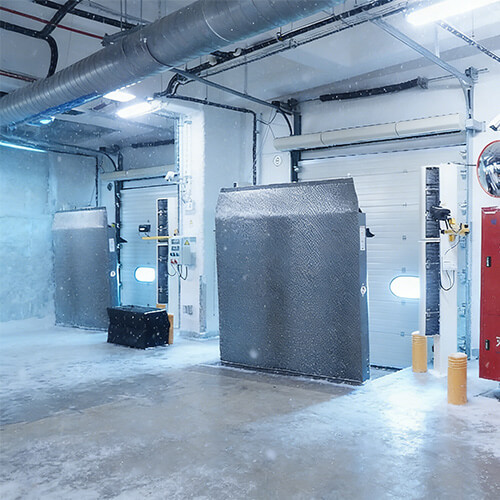
Eliminating Critical Temperature Excursions
In cold storage operations, every second the loading dock door remains open, which represents a risk of thermal deviation.
SEPPES dock equipment is designed to minimize this exposure. By utilizing insulated sectional doors and vertical storing dock levelers that allow trailer doors to be opened inside the facility, we create a controlled environment that maintains a stable thermal profile, even during peak operational hours.
Eliminating Condensation and Hygiene Risks
A critical, yet often overlooked vulnerability in cold chain management is the accumulation of moisture and frost at the docking interface. When warm, humid air meets the sub-zero temperatures of a refrigerated facility, condensation inevitably forms on floors, walls, and equipment.
SEPPES addresses this through a proactive climate-barrier strategy. Our high-speed cold storage doors are equipped with automated heating cables that prevent frost buildup and ice formation on the tracks. Furthermore, by utilizing inflatable dock shelters, we establish a pressurized seal that blocks humid external air from entering the facility entirely. This integration ensures a dry, clean, and safe loading environment.
Reducing Escalating Operational Costs
Energy consumption is one of the highest overhead costs for refrigerated warehouses. Improving cold storage energy efficiency is the most direct way to protect your profit margins.
SEPPES provides advanced thermal barriers, such as 80mm thick insulated sectional doors with broken-bridge technology, which significantly reduce heat transfer. By optimizing the seal at the loading dock, facilities can achieve a substantial reduction in electricity usage, providing a rapid return on investment through lower monthly utility expenditures.
Secure Your Thermal Integrity with SEPPES Integrated Cold Chain Solutions
Reduce energy loss by up to 35 percent with our FSMA and HACCP compliant loading bay equipment. Designed for high-frequency operations in the most demanding refrigerated environments.
Recommended Dock Systems for Cold Chain Temperature Control
Maximizing thermal efficiency through synchronized loading dock technologies.

Traditional foam pads often leave gaps. Our Inflatable Dock Shelters provide a proactive, pressurized seal that adapts to any vehicle size.
- Total Environment Isolation
- Universal Compatibility
- Withstand high-frequency docking

The Vertical Dock Leveler is the gold standard for high-stakes cold chain operations, enabling the Drive-Through docking concept.
- Enhanced Thermal Integrity
- Easy to clean
- Telescopic Precision
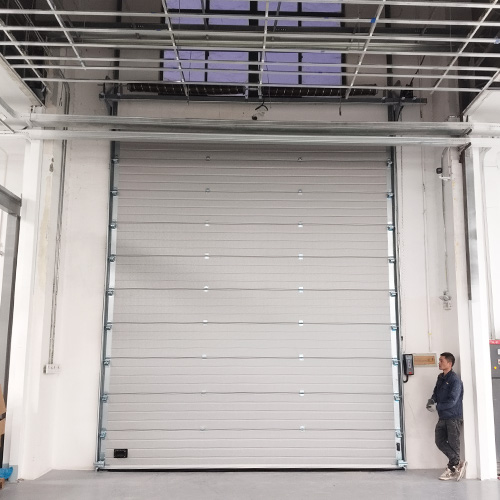
As the primary barrier between your cold storage and the external environment, our Insulated Sectional Doors are engineered for maximum thermal resistance.
- High R-Value Performance
- Broken-Bridge Technology
- Perimeter EPDM Rubber Sealing
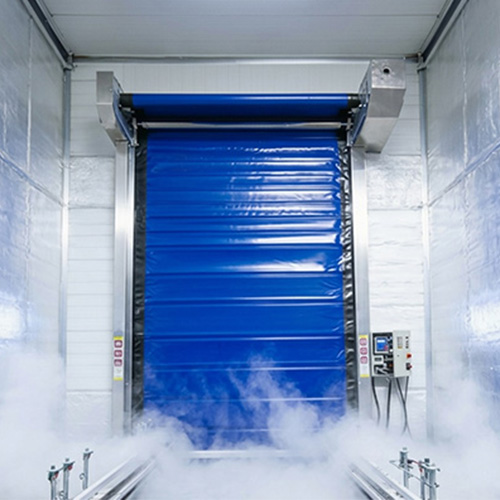
For high-traffic internal openings, our High-Speed Cold Storage Doors act as a dynamic thermal barrier, minimizing opening time.
- Opening Speeds Up to 2.0 m/s.
- Anti-Frost Heating System
- Self-Repairing Technology
Performance: Standard vs. SEPPES Advanced Solutions
To assist warehouse managers in making data-driven decisions, we have quantified the operational differences between conventional loading docks and the specialized SEPPES cold chain integrated system. This comparison highlights why precision engineering is the most effective way to protect both your inventory and your bottom line.
| Key Metrics and Components | Standard Loading Dock Setup | SEPPES Professional Integrated System | Operational Advantage |
| System Composition | Basic mechanical levelers, standard foam pads, and uninsulated roller shutters. | High-speed cold storage doors, vertical levelers, and inflatable dock shelters. | A synchronized barrier that maintains the cold chain from every angle. |
| Sealing Efficiency | 60 percent to 75 percent coverage with visible air gaps. | Exceeds 98 percent via pressurized inflatable technology. | Complete isolation from external humidity, dust, and pests. |
| Thermal Insulation | Approximately R-10 baseline with significant thermal bridging. | R-25 and Above featuring advanced broken-bridge panel design. | Maximum heat resistance, drastically reducing the load on cooling units. |
| Safety and Compliance | Potential risks during food safety and hygiene audits. | Fully Compliant with international HACCP and FDA standards. | Guaranteed peace of mind during high-stakes regulatory inspections. |
| Energy Consumption | High energy loss due to frequent air exchange and slow door speeds. | 20 percent to 35 percent reduction in total operational energy costs. | Rapid return on investment through significant utility savings. |
Latest Article About Cold Chain Loading Bay Solution
Frequently Asked Questions of High Speed Coiling Doors
A vertical dock leveler is considered the gold standard for cold storage, because it allows the refrigerated trailer doors to be opened inside the warehouse. This drive-through application ensures the cold chain is never broken, as the vehicle is fully sealed against the inflatable shelter before the doors are opened. Additionally, because the leveler stores upright, the loading pit remains easy to clean, which is essential for meeting strict hygiene audits and preventing debris accumulation.
High-speed cold storage doors are designed to minimize the duration of air exchange between different temperature zones. With opening speeds of up to 2.5 meters per second, these doors significantly reduce the volume of warm, humid air entering the cold room during forklift passage. This rapid barrier, combined with advanced insulation and anti-frost heating systems, lowers the workload on refrigeration units, resulting in a measurable decrease in monthly energy consumption and operational costs.
While a standard dock seal relies on foam compression to close gaps, an inflatable dock shelter uses a pressurized air system to create a 360-degree hermetic seal around the trailer. Inflatable shelters are superior for cold chain logistics because they provide a much tighter seal that blocks out 98 percent of external humidity and pests. They are also highly versatile, automatically adjusting to various truck heights and widths, which ensures consistent thermal protection across a diverse fleet of vehicles.
Condensation and ice formation occur when warm, moist air meets sub-zero temperatures. To prevent this, SEPPES integrates active thermal barriers, including broken-bridge sectional doors and specialized heating cables in the door tracks. By maintaining a dry environment through superior sealing technology, like inflatable shelters, you eliminate the source of moisture. This proactive approach prevents slippery floors, protects structural integrity, and ensures your facility remains compliant with safety and hygiene standards.