
Contate-nos WhatsApp: 8618036828007


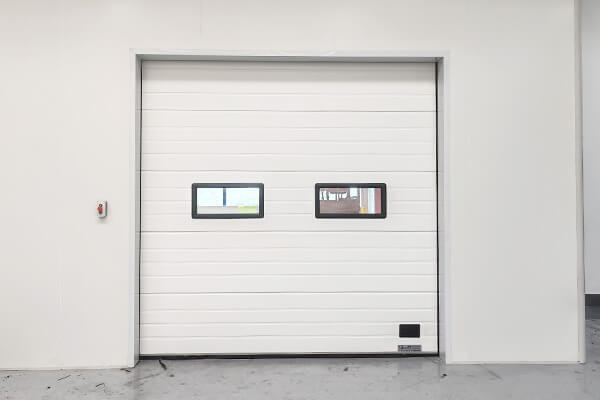
A entrada de um armazém de pneus desempenha um papel importante tanto na logística diária quanto na proteção dos produtos armazenados. Grandes volumes de pneus são regularmente recebidos, movimentados, armazenados e expedidos. Ao mesmo tempo, as áreas de armazenamento de pneus devem ser protegidas da exposição prolongada à luz solar direta, calor excessivo, umidade e condições climáticas adversas. Por esse motivo, as portas de entrada do armazém devem fazer mais do que simplesmente fornecer acesso. Elas também devem ajudar a reduzir a troca desnecessária de ar e limitar o impacto das condições externas no ambiente interno de armazenamento.
Portas seccionadas de aço segmentadas são uma solução prática para armazéns de pneus modernos. Elas combinam as vantagens de grandes aberturas, abertura vertical, isolamento, vedação e durabilidade de nível industrial, equilibrando espaço, proteção e eficiência operacional diária.
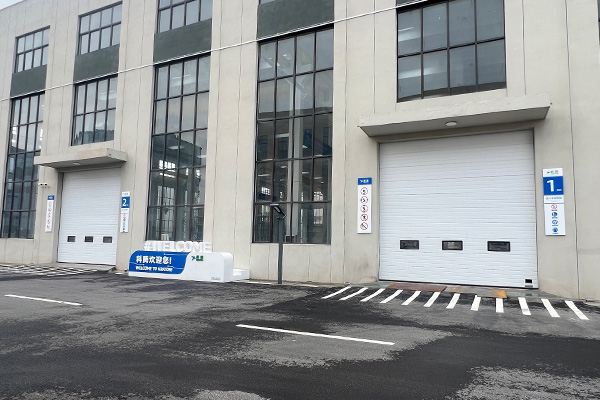
Por que as Entradas de Armazéns de Pneus Têm Requisitos Diferentes de Portas
A A entrada do armazém de pneus precisa suportar mais do que simples acesso. Ela deve lidar com tráfego regular de veículos, grandes cargas de materiais, condições externas variáveis e requisitos de segurança do armazém. Por esse motivo, escolher a porta certa portas para armazéns industriais exige consideração cuidadosa de como a entrada é utilizada diariamente.
Tráfego Frequente de Empilhadeiras e Movimentação de Materiais
Os pneus são continuamente movimentados entre áreas de recebimento, zonas de armazenamento e áreas de expedição. Dependendo do layout do armazém, isso pode envolver:
- Empilhadeiras
- Transpaleteiras
- Equipamentos de manuseio de pneus
- Caminhões de entrega
Para essas operações, a entrada deve fornecer uma grande abertura livre com obstrução mínima ao redor do vão da porta. Largura e altura adequadas são importantes para a passagem segura de veículos, especialmente quando empilhadeiras transportam pneus empilhados ou grandes cargas em paletes.
Portas de armazém confiáveis para tráfego de empilhadeiras também devem se adequar ao fluxo logístico diário sem ocupar espaço de trabalho valioso ao redor da entrada.
Proteção dos Pneus Armazenados contra Condições Externas
Os pneus devem, em geral, ser armazenados em ambientes internos e protegidos da exposição prolongada à luz solar direta, calor excessivo, umidade e condições climáticas severas.
Quando uma entrada de armazém é frequentemente aberta ou mal vedada, o ar externo, a chuva e as variações de temperatura podem ter um impacto maior no ambiente de armazenamento.
Uma porta de entrada adequada deve, portanto, ajudar a reduzir a exposição desnecessária a:
- Luz solar direta
- Altas temperaturas
- Umidade
- Chuva
- Flutuações significativas de temperatura
O objetivo não é depender apenas da porta para controlar as condições do armazém, mas reduzir a exposição desnecessária ao clima externo e apoiar um ambiente de armazenamento mais estável.
Grandes Aberturas no Armazém
Armazéns de pneus frequentemente exigem entradas maiores do que edifícios comerciais padrão.
A abertura pode precisar acomodar:
- Empilhadeiras transportando pneus empilhados
- Cargas largas em paletes
- Máquinas de manuseio de pneus
- Veículos de entrega
- Caminhões entrando em áreas de carga ou armazenamento
Isso significa que as dimensões das portas devem ser selecionadas de acordo com a abertura do edifício e o maior veículo ou carga que passará por ela.
Para entradas de grandes armazéns de pneus, a folga suficiente ajuda a melhorar o fluxo de tráfego e reduz o risco de veículos ou cargas entrarem em contato com a estrutura da porta.
Segurança Após o Horário de Funcionamento
Os armazéns de pneus podem armazenar um volume significativo de produtos acabados e estoque de alto valor. Após a conclusão das operações diárias, a entrada precisa fornecer uma separação física confiável entre o armazém e o ambiente externo.
Considerações importantes incluem:
- Estrutura robusta da porta
- Painéis duráveis
- Trava confiável ou controle motorizado
- Ferragens industriais estáveis
- Resistência ao desgaste diário
Uma entrada segura do armazém ajuda a proteger os produtos armazenados, além de garantir a durabilidade de longo prazo esperada de instalações industriais.
Essas condições operacionais são o motivo pelo qual os armazéns de pneus exigem mais do que uma porta industrial básica. A entrada deve equilibrar acesso de veículos, proteção do estoque, dimensão da abertura e segurança antes que um sistema de porta adequado seja selecionado.
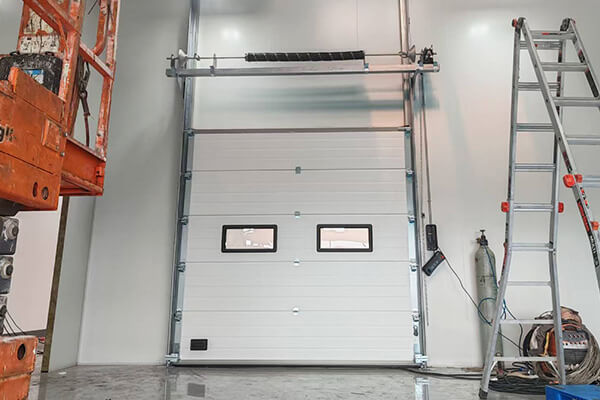
Seis Vantagens de Escolher Portas Seccionadas de Aço em Armazéns de Processamento de Pneus de Borracha
Para plantas de processamento de borracha e instalações de fabricação de pneus, seis características ajudam a melhorar o acesso ao armazém, ao mesmo tempo em que promovem um ambiente de armazenamento mais controlado e seguro.
Grande Abertura Livre para Tráfego de Empilhadeiras
Empilhadeiras são comumente utilizadas para mover pneus entre áreas de recebimento, racks de armazenamento e zonas de expedição. A entrada do armazém, portanto, necessita de folga suficiente para veículos e cargas em paletes.
Portas seccionais industriais abrem verticalmente ao longo do sistema de trilhos, deixando o vão da porta amplamente livre de obstruções laterais. Diferentemente das portas de abrir, elas não exigem um grande raio de abertura em frente à entrada. Isso ajuda a manter as rotas de tráfego desobstruídas e facilita a movimentação de veículos ao redor do vão da porta.
Para armazéns de pneus movimentados, uma entrada clara e sem obstruções é especialmente importante quando empilhadeiras transportam pneus empilhados ou cargas superdimensionadas.
Melhor Utilização do Espaço do Armazém
O espaço interno de um armazém de pneus geralmente é dividido entre:
- Racks de pneus
- Corredores para empilhadeiras
- Áreas de preparação
- Zonas de carga
- Áreas de armazenamento temporário
Uma porta que ocupa espaço no piso pode interferir nessas áreas.
Portas seccionadas suspensas movem-se para cima em vez de abrir para dentro ou para fora. Isso permite que os operadores do armazém utilizem mais área de piso próxima à entrada. Para instalações onde racks de pneus ou áreas de preparação estão posicionados próximos ao vão da porta, esse método de abertura vertical torna as portas seccionais de armazém uma solução prática de economia de espaço. O sistema de trilhos também pode ser selecionado de acordo com o pé-direito disponível e a estrutura do teto, permitindo que a porta se adapte a diferentes layouts de edifícios industriais.
Painéis Isolados Ajudam a Reduzir a Transferência de Calor
As áreas de armazenamento de pneus devem ser protegidas contra calor excessivo e grandes variações ambientais sempre que possível. Para entradas externas de armazéns, portas seccionais de aço isoladas são comumente projetadas com dupla camada de aço e núcleo isolante. A estrutura do painel isolado ajuda a reduzir a transferência de calor entre o ambiente interno e externo quando a porta está fechada.
A porta em si não controla a temperatura do armazém, mas um melhor isolamento pode ajudar a reduzir trocas de calor desnecessárias através de uma grande entrada. Para plantas de processamento de borracha com áreas de armazenamento climatizadas, isso também pode ajudar a reduzir perdas desnecessárias de energia.
Vedação Climática para Entradas Externas de Armazéns
Uma entrada externa de armazém de pneus pode estar exposta a chuva, vento, poeira e ar externo durante todo o ano. Uma porta sectional devidamente projetada normalmente utiliza vedação perimetral ao redor da abertura.
Essas vedações ajudam a fechar os vãos entre a porta e a estrutura do edifício quando a porta está totalmente fechada.
Por esse motivo, as portas seccionais de aço podem ajudar a reduzir a entrada de chuva impulsionada pelo vento, poeira e ar externo nas áreas de armazenamento. Isso é especialmente útil para armazéns de borracha e pneus localizados em regiões costeiras, chuvosas, empoeiradas ou frias, onde o ambiente externo pode ter maior efeito sobre as condições do armazém.
Ao selecionar portas de armazém resistentes às intempéries, tanto o painel da porta quanto a estrutura de vedação devem ser considerados.
Construção em Aço para Ambientes Industriais
Os armazéns de pneus são áreas de trabalho industrial. As portas podem operar diariamente enquanto empilhadeiras, caminhões e funcionários do armazém circulam pela entrada.
A porta, portanto, necessita de uma estrutura projetada para uso industrial de longo prazo.
As portas seccionais de aço para serviço pesado típicas podem incluir:
- Painéis sanduíche de aço
- Trilhos guia reforçados
- Rolamentos industriais
- Dobradiças de alta resistência
- Sistemas de balanceamento por mola de torção
- Operadores elétricos industriais
A estrutura de painéis de aço proporciona maior rigidez do que sistemas de portas leves, enquanto o trilho e o sistema de balanceamento garantem movimento vertical estável.
Para grandes aberturas em armazéns de pneus, a estrutura da porta também deve ser selecionada de acordo com as dimensões da abertura, as condições locais de vento e a frequência operacional esperada.
Segurança para o Tráfego de Empilhadeiras e Pessoal
As entradas de armazéns são compartilhadas por veículos e pessoas, portanto, a segurança deve ser considerada ao selecionar qualquer porta industrial.
- Sensores fotoelétricos podem ajudar a detectar veículos ou obstáculos na abertura. Uma borda inferior de segurança pode ajudar a parar ou reverter a porta caso seja detectado contato durante o fechamento.
- Janelas de visão também são úteis em áreas onde empilhadeiras e pedestres se aproximam da entrada por lados opostos, pois proporcionam visibilidade adicional através da porta fechada.
Para armazéns de pneus com movimentação frequente de veículos, esses recursos podem melhorar a segurança das portas do armazém e reduzir riscos operacionais ao redor da entrada.
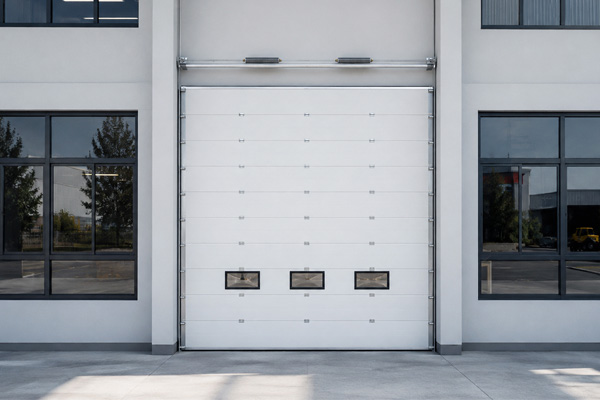
Principais Características a Observar em Portas Seccionadas Elevatórias para Armazéns de Pneus
Ao selecionar portas seccionais de aço para armazéns de pneus, é importante ir além das dimensões da porta. A configuração correta deve corresponder ao nível de tráfego do armazém, à estrutura do edifício, ao clima local e aos requisitos de segurança.
Para instalações de armazenamento de pneus e processamento de borracha, os seguintes recursos são especialmente importantes.
| Característica | Por que isso é importante para armazéns de pneus |
|---|---|
| Painéis de aço isolados | Ajudam a reduzir a transferência de calor através de grandes entradas de armazéns e contribuem para um ambiente interno de armazenamento mais estável. |
| Vedações perimetrais completas | Vedações laterais, superiores e inferiores ajudam a reduzir a entrada de ar externo, chuva, poeira e umidade quando a porta está fechada. |
| Janelas de visão | Melhora a visibilidade em entradas movimentadas onde empilhadeiras, veículos de armazém e pessoal podem se aproximar por ambos os lados. |
| Borda de segurança inferior | Ajuda a reduzir o risco de contato ao parar ou reverter a porta quando uma obstrução é detectada durante o fechamento. |
| Sensores fotoelétricos | Detecta veículos, cargas ou outros obstáculos na abertura e ajuda a melhorar a segurança operacional. |
| Trilhos de alta resistência | Proporcionam orientação estável para grandes painéis de portas industriais e suportam operação diária confiável. |
| Operação motorizada | Torna a abertura e o fechamento mais convenientes para a equipe do armazém e melhora a eficiência de acesso durante movimentações logísticas regulares. |
| Múltiplas opções de trilhos | As configurações de elevação padrão, elevação alta, elevação vertical e pé-direito reduzido permitem que a porta se adapte a diferentes estruturas de teto do armazém. |
Elevação Padrão vs. Elevação Alta vs. Elevação Vertical para Armazéns de Pneus
O sistema de trilhos é um fator importante ao selecionar portas seccionais de aço para armazéns de pneus. Diferentes edifícios de armazéns possuem diferentes alturas de teto, pé-direito e layouts internos de equipamentos, portanto, a porta não deve utilizar o mesmo método de elevação em todos os projetos.
A configuração correta dos trilhos permite que os painéis da porta se movimentem eficientemente acima da abertura, aproveitando melhor o espaço disponível do edifício. Para armazéns de pneus, a escolha geralmente é entre uma porta seccional de elevação padrão, porta seccional de elevação alta, porta seccional de elevação vertical, ou porta seccional de pé-direito reduzido.
| Tipo de elevação | Melhor Aplicação | Principal vantagem |
|---|---|---|
| Elevação Padrão | Edifícios de armazém padrão | Configuração simples e prática para entradas convencionais de armazéns |
| Elevação Alta | Armazéns com tetos mais altos | Eleva os trilhos horizontais mais próximos do teto e libera mais espaço de trabalho superior |
| Elevação Vertical | Edifícios industriais altos com altura de parede suficiente | Os painéis da porta se movimentam verticalmente ao longo da parede, maximizando o espaço interno utilizável |
| Pé-direito reduzido | Edifícios com espaço limitado acima da abertura | Permite a instalação de portas seccionais onde o pé-direito padrão não está disponível |
Como Escolher o Tipo de Elevação Correto para um Armazém de Pneus
O melhor método de elevação depende principalmente da estrutura do armazém, e não dos produtos armazenados.
Antes de selecionar o sistema de trilhos, as seguintes dimensões devem ser verificadas:
- Largura da abertura da porta
- Altura da abertura da porta
- Espaço livre vertical disponível
- Espaço lateral
- Altura do teto
- Distância até vigas, tubulações e iluminação
- Posição de estantes de armazenamento ou equipamentos elevados
Para um armazém padrão de pneus, um porta seccional de elevação padrão pode ser suficiente. Armazéns com pé-direito mais alto podem se beneficiar de uma porta seccional de elevação alta, enquanto edifícios industriais altos podem ser mais adequados para um porta seccional de elevação vertical. Quando o espaço de instalação é limitado, um porta seccional de pé-direito reduzido oferece uma alternativa prática.
A seleção do sistema de elevação de acordo com a estrutura real do edifício ajuda a manter o vão da porta desobstruído, reduzir a interferência com equipamentos do armazém e aproveitar melhor o espaço interno disponível.
Como Escolher Portas Industriais para Diferentes Áreas de uma Fábrica de Produtos de Borracha
Uma fábrica de produtos de borracha geralmente inclui armazenamento de matéria-prima, oficinas de processamento, armazéns de produtos acabados e áreas de carregamento. Cada área apresenta requisitos diferentes quanto à frequência de tráfego, isolamento, separação ambiental e segurança.
Por esse motivo, a mesma porta industrial não deve ser utilizada em toda a instalação. O tipo correto de porta deve ser selecionado de acordo com as condições operacionais reais.
| Área de Aplicação | Tipo de Porta Recomendado | Principais Vantagens |
|---|---|---|
| Entrada do Armazém de Pneus | Porta Seccional de Aço | Grande vão livre para empilhadeiras, painéis isolados, boa vedação, abertura vertical e segurança confiável do armazém |
| Armazém de Produtos Acabados de Borracha | Portão Seccional Industrial | Ajuda a reduzir a exposição ao ambiente externo, economiza espaço no piso e proporciona acesso durável para tráfego de paletes e empilhadeiras |
| Armazém de Matéria-Prima | Porta Seccional de Armazém | Boa vedação contra intempéries, construção isolada e separação segura das condições externas |
| Entrada da Oficina de Processamento de Borracha | Porta Rápida de PVC | Abertura e fechamento rápidos para tráfego frequente de empilhadeiras, ajudando a reduzir a troca desnecessária de ar entre áreas |
| Área de Mistura e Compostagem | Porta de Alta Velocidade | Adequada para movimentação frequente de materiais e ajuda a separar áreas de produção onde poeira e fumos possam estar presentes |
| Linha de Produção / Área de Transportadores | Porta de Alta Velocidade | Suporta fluxo automatizado de materiais, acesso rápido e integração com sensores ou sistemas de transportadores |
| Entrada Externa da Fábrica | Porta Seccional de Aço | Estrutura robusta em aço, resistência às intempéries, isolamento e adequação para grandes aberturas industriais |
| Área de Carregamento e Expedição | Portão Seccional Elevatório | Proporciona amplo acesso para veículos e pode ser combinada com niveladoras de doca, abrigos de doca e equipamentos de doca de carregamento |
| Passagem de Alta Frequência para Empilhadeiras | Porta de Alta Velocidade | Ciclos de abertura curtos, ativação automática e maior eficiência de tráfego |
| Acesso para Equipamentos de Grande Porte | Porta Seccional de Aço | Dimensões personalizáveis, painéis de porta resistentes e múltiplos sistemas de trilhos para entradas de maquinário pesado |
Escolha a Porta de Acordo com os Requisitos de Tráfego e Ambientais
Para entradas de armazéns, aberturas externas e áreas de carregamento, as portas seccionais de aço geralmente são uma escolha prática, pois proporcionam isolamento, segurança, construção durável e grandes vãos livres.
Para áreas internas com movimento contínuo de empilhadeiras ou materiais, uma porta de alta velocidade geralmente é mais adequada. Seu ciclo de abertura mais rápido ajuda a reduzir o tempo de espera e a exposição desnecessária entre diferentes zonas de produção.
Em uma planta moderna de processamento de borracha, a combinação de diferentes sistemas de portas industriais pode, portanto, oferecer uma solução mais eficaz do que utilizar um único tipo de porta em toda a instalação.
Exemplo de Projeto de Porta Seccionada de Aço para Armazém de Pneus
Contexto do Projeto
Este projeto foi concluído para uma fábrica de processamento de borracha na Tailândia. O cliente exigia uma solução confiável de porta industrial para a entrada do armazém, onde os produtos acabados de borracha são armazenados e movimentados antes do embarque.
Duas portas seccionais de aço foram selecionadas para a entrada da instalação, proporcionando acesso claro para veículos e melhorando a separação entre o armazém interno e o ambiente externo.
Aplicação
Área de aplicação: Entrada do Armazém de Produtos Acabados
Indústria: Processamento de Borracha / Fabricação de Produtos de Borracha
Localização: Tailândia
Quantidade: 2 portas seccionais de aço
As entradas são utilizadas para movimentação regular de materiais e logística de armazém. Empilhadeiras necessitam de espaço livre suficiente para mover produtos acabados entre a área de armazenagem e a zona de carga.
Desafios do Cliente
O cliente precisava principalmente de atender a quatro requisitos práticos:
- Acesso para empilhadeiras: As entradas necessitavam de largura e altura livres suficientes para a movimentação diária de materiais.
- Grandes aberturas de armazém: O sistema de portas precisava operar sem ocupar espaço valioso no piso ao redor da entrada.
- Isolamento do armazém: O cliente desejava melhor separação entre a área de armazenagem de produtos acabados e o ambiente externo.
- Exposição às condições climáticas externas: Como entradas externas de armazém, as portas precisavam ajudar a reduzir a entrada de chuva, poeira e ar externo quando fechadas.
Solução de Porta
A SEPPES forneceu duas portas seccionais industriais de aço para as entradas do armazém. As portas abrem verticalmente e se deslocam ao longo de trilhos elevados, mantendo o vão da porta e a área circundante do piso livres. Este design é adequado para rotas de empilhadeiras, pois não há área de giro para dentro ou para fora que interfira no tráfego do armazém.
A estrutura de aço das portas também proporciona uma solução mais segura e durável para uma entrada externa, em comparação com portas divisórias internas leves.
Resultado do Projeto
Após a instalação, as duas portas seccionais de armazém proporcionaram acesso claro e confiável para as operações diárias do armazém.
A solução concluída oferece diversos benefícios práticos:
- Acesso desobstruído para empilhadeiras através das entradas do armazém
- Melhor separação entre a área de armazenagem e o ambiente externo
- Gestão mais fácil do tráfego de veículos e materiais
- Uso mais eficiente do espaço no piso ao redor do vão da porta
- Operação confiável para uso industrial regular
Para plantas de processamento de borracha e armazéns de pneus, portas seccionais de aço são particularmente adequadas para armazéns de produtos acabados, entradas externas e áreas de carga onde isolamento, segurança e acesso de veículos grandes precisam ser considerados em conjunto.
Este projeto na Tailândia também demonstra como uma painel da porta seccional industrial pode ser configurada de acordo com a estrutura real do edifício e os requisitos logísticos, em vez de usar o mesmo design padrão para todos os armazéns.
Conclusão: Escolhendo a Porta Seccionada de Aço Adequada para um Armazém de Pneus
Uma entrada de armazém de pneus precisa suportar tráfego diário de empilhadeiras, grandes aberturas de portas, segurança do armazém e proteção contra condições externas. Para esses requisitos, as portas seccionais de aço fornecem uma solução prática ao combinar abertura vertical, painéis de aço isolados, vedação perimetral, ferragens industriais duráveis e sistemas de trilhos flexíveis.